
By Melanie Ortiz Reyes - Marketing Strategist - PrimeStreet.io
Move to Seattle
Your Complete Relocation Guide to the Pacific Northwest's Emerald City
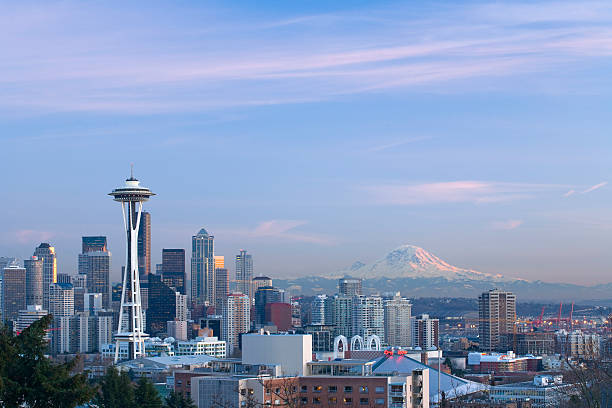
Seattle answers to several names. Outdoor enthusiasts call it the Emerald City, a fitting tribute to the Douglas firs and misty green hills that frame the skyline on every side. Tech workers call it the innovation capital of the West Coast. Coffee devotees call it the city that taught America how to drink espresso. And the people who actually live here, who hike Tiger Mountain on a Saturday morning and eat oysters at a waterfront bar while watching the ferries cross Puget Sound, tend to call it the best decision they ever made.
The Seattle metro stretches across King, Snohomish, and Pierce counties in its official Census Bureau definition, with Kitsap and Thurston counties forming the broader Puget Sound region that most residents think of as greater Seattle. The metro population sits at roughly 4.1 million people. At its core is a city shaped by two decades of technology-driven growth, a world-class natural setting between the Cascade and Olympic mountain ranges, and a neighborhood culture that resists easy categorization. This is not a tech monoculture, despite what headlines suggest. It is not a sleepy Pacific Northwest outpost, nor a smaller version of San Francisco, though it shares elements with all three.
What draws people to Seattle is harder to package than any single amenity. The outdoor access is genuinely extraordinary, with mountains, water, and forest within an hour's drive in every direction. The food scene has evolved far beyond Pike Place Market into one of the most serious restaurant cities in the country. The music culture runs deep, from the grunge era that put Seattle on the global map to the thriving live venue scene that operates today. And the water, Puget Sound, Lake Washington, Lake Union, gives daily life a quality that residents take for granted until they move somewhere landlocked and suddenly understand what they had.
Seattle sits roughly 110 miles south of the Canadian border, 180 miles from Portland, and three hours from Vancouver, BC. Amtrak Cascades service connects Seattle to Portland and Vancouver with a reliability that improves each year. For remote workers and hybrid commuters who want urban density alongside real outdoor access, the Emerald City has become one of the most logical destinations in the country.
What Makes Seattle Special?
The Tech Economy and Who It Brings
Amazon has headquartered its global operations in Seattle since the late 1990s, occupying a sprawling campus of glass-and-steel buildings in South Lake Union that has transformed a former industrial district into one of the densest commercial neighborhoods in North America. Microsoft anchors the Eastside city of Redmond just across Lake Washington. Starbucks, Nordstrom, Costco, Expedia, T-Mobile, and Nintendo of America all call the metro area home.
The result is a concentration of high-wage employment that attracts engineers, designers, product managers, logistics professionals, marketers, and operations leaders from across the world. This also brings pressure on housing costs that any relocation guide worth reading has to address plainly: Seattle is expensive, particularly for housing, and that reality shapes every neighborhood decision a newcomer makes.
But the tech economy is only part of the story. Boeing has operated in the metro for over a century, giving the region a manufacturing and aerospace identity that predates the software era. Joint Base Lewis-McChord in Pierce County is the largest military installation on the West Coast, making the Tacoma area home to tens of thousands of active-duty service members and veterans. The healthcare sector, anchored by the University of Washington Medical Center, Seattle Children's, Providence Health, and the Fred Hutchinson Cancer Center, employs more than 100,000 people across the region. The maritime industry, the Port of Seattle, the fishing fleet, and the construction trades all represent economic threads that run alongside and beneath the technology layer.
The Water, the Mountains, and Getting Outside
Mount Rainier rises to 14,411 feet southeast of the city and is visible from Seattle's hilltop neighborhoods on clear days, a reminder that the natural world here operates at a scale that the Pacific Northwest takes seriously. Olympic National Park sits an hour west by ferry, offering rainforest, alpine terrain, and 73 miles of wilderness coastline. Mount Baker, the Cascades, and the North Cascades all sit within driving range for weekend climbers, skiers, hikers, and snowshoers.
The water is more immediate. Kayaking on Lake Union happens within blocks of Amazon's headquarters. Sailing on Puget Sound is a summer pastime that cuts across income levels in a way that might surprise visitors from other coastal cities. The ferry system, the largest in the United States, functions as both commuter infrastructure and recreational access, connecting Seattle to Bainbridge Island in 35 minutes and to Bremerton and Kingston in under an hour.
Within the city limits, Discovery Park's 534 acres make it the largest park in Seattle, offering bluff walks, forest trails, a lighthouse, and views of the Olympic Mountains across the Sound. Green Lake, a 2.8-mile loop around an urban lake in the northern part of the city, fills with runners, cyclists, and strollers on summer mornings. The Burke-Gilman Trail runs 27 miles from Ballard to Redmond, threading together neighborhoods, universities, and waterfront areas in a continuous bike and pedestrian corridor.
The Food Scene
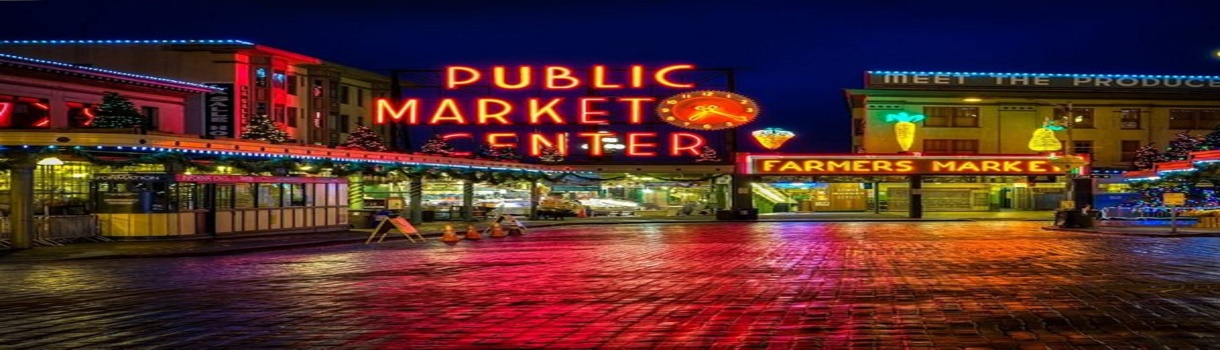
Seattle's food culture has grown into something that demands serious attention. The James Beard Foundation recognizes Seattle chefs at a rate disproportionate to the city's size. Pike Place Market, open since 1907, remains a working public market where farmers, fishmongers, and specialty producers sell directly to residents. It is not a tourist attraction wearing a market's clothing but an actual market that feeds the city.
The international dining landscape reflects the metro's demographics. The International District, one of the most intact historic Asian-American neighborhoods on the West Coast, houses Vietnamese, Chinese, Japanese, Korean, and Filipino restaurants that have operated for generations. The Ethiopian and Eritrean restaurants of the Central District, the Vietnamese pho shops of the Rainier Valley, and the Japanese izakayas of Bellevue's Eastgate neighborhood together represent a range that is genuine and deep.
The seafood runs from Pike Place's famous fish throwers to neighborhood oyster bars where Puget Sound varieties arrive hours after harvest. The coffee culture that Starbucks commercialized globally has a serious independent counterpart in hundreds of neighborhood cafes where the craft is taken with the same seriousness applied to wine in Napa.
Music, Arts, and Culture
The grunge era gave Seattle a global musical reputation that the city has continued building on. The live music venue ecosystem today includes the Paramount Theatre, Moore Theatre, Showbox, Neumos, the Neptune, and Benaroya Hall, home of the Seattle Symphony. The Crocodile, where Nirvana played early shows, continues operating as an independent venue. The Northwest Folklife Festival draws hundreds of thousands to Seattle Center each May for a free celebration of roots music and folk arts.
The Seattle Art Museum's downtown location and its Olympic Sculpture Park, an 8.5-acre outdoor waterfront installation, give visual arts a physical presence that residents encounter walking to work. The Seattle Asian Art Museum in Volunteer Park sits in one of the city's most beautiful park settings. The Museum of Pop Culture, designed by Frank Gehry and located at Seattle Center, covers music, science fiction, horror, and gaming with a seriousness of purpose that critics initially underestimated.
Seattle Repertory Theatre, ACT Theatre, and the 5th Avenue Theatre give the performing arts a resident professional infrastructure. The Seattle International Film Festival is one of the largest in North America. The literary culture, anchored by Elliott Bay Book Company in Capitol Hill and Third Place Books in Ravenna, reflects a city that reads widely and argues about what it has read.

Economy
Technology: The Engine
The concentration of major technology employers in the Seattle-Eastside corridor has created one of the strongest regional labor markets in the country for software engineers, data scientists, product managers, cloud architects, and related roles. Amazon alone employs more than 50,000 people in the Puget Sound region. Microsoft employs a similar number in Redmond. Google, Meta, Apple, Salesforce, and virtually every major technology company maintains significant engineering offices in Seattle or on the Eastside.
The wages this generates are substantial. The average salary in King County runs above $120,000, and median household income in Seattle has climbed steadily as the tech economy has matured. The flip side is housing costs that rank among the top ten most expensive in the nation, a direct result of that economic strength.
Healthcare and Life Sciences
The University of Washington Medical Center anchors an academic medical complex that includes Seattle Children's Hospital, UW Medicine's network of hospitals and clinics, and Harborview Medical Center, the region's Level I trauma center. Fred Hutchinson Cancer Center, a world-leading cancer research institution, operates on First Hill and draws researchers from across the globe. The Bill & Melinda Gates Foundation's presence in South Lake Union has helped build a global health research infrastructure unlike anything in comparably sized cities.
Providence Health & Services, headquartered in Renton, employs more than 100,000 people across its multistate system. MultiCare Health System serves the Pierce County and South King County region from Tacoma. For physicians, nurses, researchers, biostatisticians, clinical administrators, and healthcare technology professionals, the metro offers career depth and advancement opportunity at an unusual scale.
Aerospace and Defense
Boeing's commercial airplane operations remain centered in the Puget Sound region despite the company's recent corporate restructuring decisions. The Everett assembly facility in Snohomish County, where wide-body aircraft are built, is among the largest manufacturing buildings in the world by volume. The supply chain of aerospace component manufacturers, engineers, and logistics professionals supporting Boeing's operations spreads throughout King and Snohomish counties.
Joint Base Lewis-McChord in Pierce County adds a military economy that shapes the Tacoma metro in ways that the tech conversation often ignores. The base employs more than 25,000 active-duty personnel and supports tens of thousands of civilian contractors, support staff, and veterans who choose to remain in the region after service.
Cost of Living Realities
Washington State has no personal income tax. For households earning at higher income levels, this represents a significant financial advantage compared to California, Oregon, New York, and other major states where high earners face substantial state income tax burdens. The trade-off appears in the form of a sales tax that runs 10.25% in Seattle, property taxes that have risen significantly alongside home values, and housing costs that rank among the highest in the country.
The city of Seattle carries a median home value in the range of $840,000 to $885,000 as of early 2025. The Eastside cities of Bellevue and Sammamish push well above $1.4 million. Tacoma, at roughly $477,000, represents the most accessible major city in the metro. Rental costs average around $2,200 per month across all apartment types in Seattle, with significant variation by neighborhood.
Buyers relocating from San Francisco, Los Angeles, or New York frequently find Seattle's pricing comprehensible even while acknowledging it as expensive. Buyers relocating from Denver, Austin, or the Southeast often experience genuine sticker shock. The calculation that matters is not the price relative to national averages but the price relative to the wages that Seattle employers pay, and for workers in the technology and healthcare sectors, that ratio is frequently manageable.
The transportation picture provides real cost relief for transit-oriented households. King County Metro operates one of the country's most extensive bus networks. Sound Transit's Link light rail connects the airport, downtown, the University of Washington, and an expanding network of suburban stations. Sounder commuter rail connects downtown Seattle to Tacoma and Everett. For households that can reduce or eliminate a car, the savings meaningfully offset housing premiums in well-connected neighborhoods. The ORCA card consolidates payment across bus, light rail, commuter rail, and streetcar services.
Property tax effective rates in King County run around 0.9% of assessed value, well below the rates in northeastern states like Connecticut and New Jersey, though the high assessed values that follow from high home prices mean the actual dollar amounts can be substantial. Washington's sales tax applies to most goods and services, does not apply to groceries, and reaches 10.25% in Seattle when city and county additions are included.
Utilities run at or slightly above national averages, but Seattle City Light's hydropower-heavy generation mix keeps electricity costs below what residents in gas-dependent regions often expect. Heating costs are real but moderate compared to northeastern and midwestern winters. A Seattle winter means persistent gray skies and rain more than it means cold, with average winter temperatures staying well above freezing, which affects budget planning differently than a deep-freeze climate.
Real Estate Market
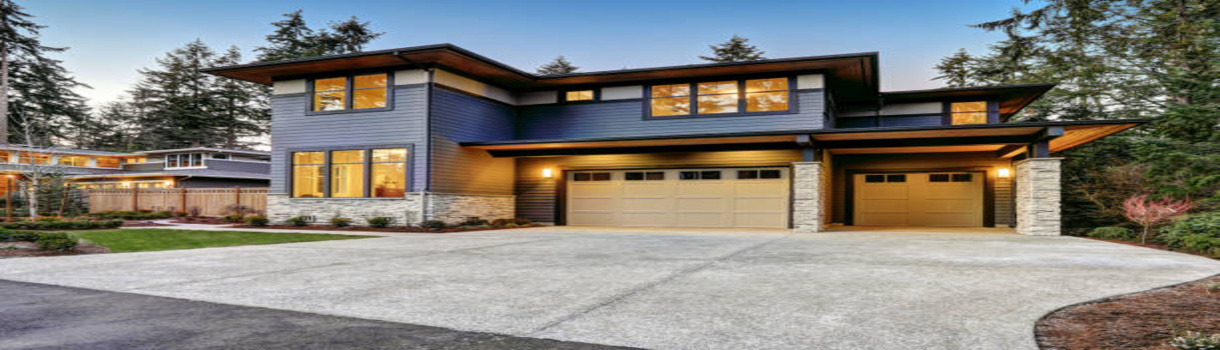
The Seattle metro real estate market entered 2025 with competitive dynamics that have characterized the region throughout the post-2020 period. Median home values across King County sit around $900,000 to $950,000, with significant variation by city and neighborhood. Pierce County's Tacoma market, at roughly $477,000, offers the most accessible entry points in the metro's core. Snohomish County falls between the two, with communities like Marysville, Everett, and Monroe offering more affordable options relative to the Eastside.
Well-priced homes in Bellevue, Kirkland, and Seattle's desirable neighborhoods routinely receive multiple offers within days of listing. The inventory constraints that drove extreme competition in 2021 and 2022 have eased modestly, giving buyers marginally more time and negotiating room, but the structural shortage of housing, particularly single-family homes, in the most sought-after communities remains a defining feature of the market.
Migration patterns continue to bring buyers from the Bay Area, Southern California, and other high-cost tech centers who find Seattle's prices comprehensible relative to where they came from. Amazon, Microsoft, and healthcare system hiring brings professionals from across the country who often experience the market's competitiveness before they are fully prepared for it. Military families rotating into the JBLM area near Tacoma add a consistent demand layer in Pierce County.
The architectural character of the metro spans nearly 170 years of building history. Seattle's older neighborhoods carry Victorian, Craftsman, and Colonial Revival houses that date to the city's rapid growth after the 1889 fire. Mid-century ranches and split-levels fill the postwar suburbs of Burien, SeaTac, and portions of Bellevue. The Eastside cities show substantial new construction in high-density urban centers alongside single-family neighborhoods that developed during the tech boom. Tacoma's historic districts, particularly in the Stadium and North End neighborhoods, offer architectural character that rivals anything in the metro at a significantly lower price.
Where in the Seattle Metro?
The question of where to live involves trade-offs that cannot be resolved by a single answer. Tech industry proximity, school quality, commute length, outdoor access, neighborhood character, and budget all point in different directions depending on the household. Here is what each county and its key communities actually offer.
King County
King County is the metro's core, the most populous county in Washington State with roughly 2.3 million residents, containing Seattle, Bellevue, Redmond, Kirkland, Renton, Bothell, and dozens of incorporated cities and unincorporated communities. The county spans from Puget Sound in the west to the Cascade crest in the east. Most of the metro's tech employment, cultural institutions, and urban density live here.
The City of Seattle
Seattle proper, with around 750,000 residents, offers the densest, most walkable, and most transit-connected living in the metro. Residents walk to restaurants, museums, Pike Place, waterfront parks, and light rail stations. The trade-offs are plainly documented: housing costs in desirable neighborhoods are substantial, public school quality varies significantly by attendance zone and program, and certain areas of the city carry elevated property crime rates that concentrate in specific corridors. Prospective residents should examine neighborhood-level data rather than city averages.
Capitol Hill
Capitol Hill is the neighborhood that people who want urban Seattle at its fullest tend to land first. Broadway is the main commercial artery, lined with restaurants, bars, vintage shops, and coffee roasters that operate late. The Pike-Pine corridor is where the city's independent music and art scenes are most densely concentrated. The community is notably LGBTQ+-welcoming, with Pride celebrations that fill the streets each June. Housing runs from apartments in converted commercial buildings to Craftsman houses on sloped residential blocks. Capitol Hill is well served by Link light rail and worth serious consideration for young professionals, creatives, and anyone who wants to walk to most of what makes Seattle genuinely interesting.
Ballard
Ballard occupies the northwest corner of the city and carries a maritime and Scandinavian heritage that still shapes its personality despite significant gentrification over the past fifteen years. The Hiram M. Chittenden Locks, where boats transit between Puget Sound and Lake Union, sit at the neighborhood's western edge and draw visitors year-round. The Ballard Farmers Market on Sundays is among the best in the Pacific Northwest. The restaurant and bar scene along Ballard Avenue and Market Street has developed into one of the city's most serious food corridors. The Burke-Gilman Trail connects Ballard east toward the University District and beyond. Median home prices run around $840,000. Ballard fits families with older children, outdoor-active adults, and anyone drawn to a neighborhood that still feels like a neighborhood rather than a brand.
Fremont
Fremont sits on the north bank of the Lake Washington Ship Canal, four miles from downtown, and takes its self-declared motto, "The Center of the Universe," with just enough irony to make it charming. The neighborhood's bohemian identity has survived tech money arriving nearby, and its mix of breweries, galleries, independent restaurants, and weekend markets gives it a livability that more expensive neighborhoods cannot replicate through density alone. Google maintains a significant office here. Median home prices sit around $830,000. Fremont suits tech workers who want to bike to work, creative professionals who want an art-adjacent community, and anyone who finds Capitol Hill a bit much but still wants to be close to everything.
West Seattle
West Seattle occupies a peninsula that juts south of downtown and contains more geographic variety than its name suggests. Alki Beach runs a mile and a half along the Sound, with the Puget Sound's best urban swimming and kayak launches. The Alaska Junction is the neighborhood's commercial center, with independent restaurants, coffee shops, and a weekly farmers market. Water taxis connect West Seattle to downtown in eleven minutes. The character skews more residential and family-oriented than Capitol Hill or Fremont, with a mix of retirees, families, and younger households drawn by lower entry prices relative to north Seattle. Median home values around $655,000 make West Seattle one of the more accessible options within the city for buyers.
Beacon Hill
Beacon Hill sits on a ridge south of downtown and offers some of the most genuinely diverse and affordable living within Seattle's city limits. The neighborhood's Latin American, Asian, and East African communities support restaurants, markets, and cultural institutions that are worth seeking out by anyone who values that kind of texture in daily life. Light rail access on the First Hill Streetcar and the Link light rail stations at Beacon Hill and Mount Baker make car-free living workable. Buyers who want to own within Seattle without stretching to the top of the budget often find their best options here and in the Rainier Valley corridor to the south.
The Eastside: Bellevue, Redmond, Kirkland, and Issaquah
The Eastside, the string of cities east of Lake Washington, has transformed from bedroom suburb into a primary tech employment center in its own right. Microsoft's campus in Redmond, Amazon's substantial Eastside office presence, and Google's Kirkland offices have drawn tens of thousands of workers who live on the Eastside specifically to minimize their commutes.
Bellevue
Bellevue, with around 150,000 residents, is the Eastside's largest city and carries an urban core of high-rise residential towers, luxury retail, and serious restaurants around Downtown Bellevue that would register as a genuine city center anywhere else in the country. The school district routinely earns top rankings statewide. The trade-off is straightforward: Bellevue is expensive at every level, with median home values well above $1.4 million in desirable neighborhoods. It suits families where at least one partner works in tech and the school system is the primary decision driver, and executives who want walkable urban living on the Eastside without the commute to Seattle.
Redmond
Redmond houses Microsoft's headquarters campus and has built a livable urban core around Redmond Town Center. The tech employment concentration keeps demand elevated, but Redmond's median home values run modestly below Bellevue's. The city's trail system, including connections to the Sammamish River Trail and Burke-Gilman Trail network, makes it one of the most bike-friendly communities in the metro. Redmond fits Microsoft employees and their families particularly well, along with anyone who values trail access from home and a lower-key urban atmosphere than Bellevue's downtown.
Kirkland
Kirkland occupies the Lake Washington shoreline north of Bellevue and has developed a restaurant and retail scene around its downtown waterfront that makes Saturday afternoon genuinely pleasant. The Google campus brings a different employment culture than Microsoft, and the neighborhood mix of young tech workers and established families gives Kirkland a social balance that pure tech monocultures can lack. Juanita neighborhood and the areas around Juanita Bay Park offer lakefront access. Home values sit in the $1.2 million range in desirable areas.
Issaquah
Issaquah lies at the base of the Cascades east of Bellevue and offers the most dramatic mountain proximity of any Eastside city with significant amenities. The Issaquah Alps, Cougar, Squak, and Tiger Mountains, provide hiking trails within walking distance of residential neighborhoods. The Old Town area has a historic character that the newer development surrounding it lacks. Issaquah is a strong choice for households that prioritize outdoor access over urban walkability and do not mind a longer commute to Seattle proper.
Snohomish County
Snohomish County sits north of King County and contains roughly 850,000 residents across communities ranging from the Boeing-dominated city of Everett on the Sound to small towns at the edge of the North Cascades. The county has grown rapidly as housing prices in King County pushed buyers north, and its southern communities now function as practical commuter territory for Seattle employment.
Edmonds
Edmonds is the most distinctive Snohomish County community for buyers who want waterfront character without Eastside prices. The downtown sits on a bluff above a ferry terminal connecting to Kingston on the Kitsap Peninsula, and the marina and beach areas give the city a quality of life that larger neighbors cannot replicate. The arts community is active, the restaurants along Fifth Avenue North are serious, and the commute to Seattle runs about 30 minutes by highway or longer by Community Transit express. Median home prices run around $750,000 to $800,000, representing genuine value for the waterfront access and community quality.
Lynnwood and Mountlake Terrace
Lynnwood and Mountlake Terrace are receiving new light rail service from Sound Transit's Link extension, transforming their commute dynamics for Seattle employment. Both communities offer substantially more affordable housing than King County equivalents, with single-family homes available in the $600,000 to $700,000 range and shorter commutes becoming a reality as light rail ridership grows. They suit working families who need to own a home within a budget that King County will not accommodate without serious compromise.
Everett
Everett is Snohomish County's largest city and carries both a Boeing manufacturing identity and a waterfront downtown that has been the subject of genuine revitalization investment over the past decade. The Port of Everett Marina is one of the largest in the Pacific Northwest. Sounder commuter rail connects Everett to downtown Seattle in about an hour. Housing is accessible by metro standards, with median values significantly below King County, making Everett a realistic option for households that need to own rather than rent and can accommodate the commute distance.
Woodinville
Woodinville, in southeastern Snohomish County, has built a wine country identity around the concentration of over 130 wineries, tasting rooms, and wine bars that operate in a former industrial corridor. The Hollywood District's tasting room cluster draws visitors from across the metro on weekends. For wine-oriented households or those who want more land at accessible prices while remaining close to Eastside employment, Woodinville offers an unusual combination.
Pierce Couty
Pierce County, south of King County, contains roughly 930,000 residents and anchors its economy around three pillars: Joint Base Lewis-McChord, the healthcare system centered on Tacoma, and a growing technology spillover from King County. Tacoma is the county seat and the third-largest city in Washington, with an urban character distinctly different from Seattle's, grittier and more industrial in places, and increasingly interesting to buyers and renters priced out of the northern metro.
Tacoma
Tacoma is the most significant story in Pierce County real estate. The city carries a downtown of genuinely dramatic architecture, including the Tacoma Dome, the Museum of Glass designed by Arthur Erickson with Dale Chihuly's Bridge of Glass, the Washington State History Museum, and a string of renovated brick commercial buildings that have become restaurant and gallery space. The Stadium District and North End neighborhoods offer Victorian and Craftsman housing at price points that would be unthinkable in Seattle or Bellevue. Median home values around $477,000 represent the metro's most accessible quality housing market. Light rail and Sounder commuter rail connect Tacoma to Seattle. The trade-offs: the commute to Amazon or Microsoft runs over an hour each way, public school quality requires research by neighborhood, and some areas of the city carry elevated crime rates that have declined but remain a factor.
Tacoma's North End
Tacoma's North End deserves specific mention for buyers who want architectural character at a human price. The Stadium neighborhood's collection of Victorian and Colonial Revival homes sits above a high school with a Gothic tower that has served as a neighborhood landmark since 1906. Proctor District, the North End's commercial center, supports independent restaurants, specialty shops, and a farmers market that give the area a self-contained quality. The bluff views of Commencement Bay and the Olympic Mountains reward residents who walk their neighborhoods. This is where doctors, teachers, and mid-career professionals who want a real home in a real neighborhood tend to land in Pierce County.
Gig Harbor
Gig Harbor sits on the Kitsap Peninsula side of the Tacoma Narrows Bridge and offers waterfront living at prices that remain below King County while delivering a harbor-town quality of life that attracts retirees, families, and remote workers. The marina and downtown dining corridor along the harbor give Gig Harbor a resort-town atmosphere that its residents navigate in everyday life. The bridge crossing to Tacoma and JBLM makes it practical for military households and Tacoma-based professionals. Home values have risen to the $700,000 to $800,000 range in the most desirable areas.
Puyallup and Sumner
Puyallup and Sumner in eastern Pierce County offer the most affordable family housing in the metro's southern reach, with single-family homes available well below the county median. Sounder commuter rail station access in both cities provides a viable connection to downtown Seattle and Tacoma. The valley communities attract families who prioritize school quality and square footage per dollar over urban walkability, and the mountain views from eastern Pierce County neighborhoods are among the best in the metro.
Kitsap County
Kitsap County occupies a peninsula west of Seattle, separated from the city by Puget Sound and connected to it by Washington State Ferries. With roughly 280,000 residents, the county offers a lifestyle that is genuinely distinct from the rest of the metro: water-defined, community-scaled, and notably quieter than the urban core. The ferry commute to Seattle takes 35 minutes from Bainbridge Island and an hour from Bremerton, creating a natural filter for residents who value what the county offers enough to build their daily routine around the boat.
Bainbridge Island
Bainbridge Island is the most coveted address in Kitsap County and one of the most thoughtfully planned small communities in the Pacific Northwest. The 35-minute ferry to Seattle Colman Dock runs frequently enough that residents use it as a genuine commute option. Winslow Way, the island's main commercial street a short walk from the ferry terminal, supports excellent restaurants, a farmers market, independent shops, and a bookstore that anchors the community. The school district earns strong ratings. The natural setting, fir-covered hills, coves, waterfront parks, and the ferry terminal itself, creates an environment that people who come for a weekend often find hard to leave. The trade-off is the price: median home values on Bainbridge push above $1 million, making it competitive with Bellevue. It fits households where at least one person works remotely or is committed to the ferry commute, and families who want a tight-knit small-town community alongside genuine Seattle access.
Bremerton
Bremerton is Kitsap County's largest city and home to the Puget Sound Naval Shipyard, one of the country's major naval installation and ship repair facilities. The city's waterfront downtown has received significant investment, and the ferry connection to Seattle runs hourly. Housing is considerably more accessible than anywhere in King County, with median values well below $500,000. Bremerton suits military families, shipyard workers, and buyers who need maximum value and can work with the ferry commute or a remote work arrangement.
Poulsbo and Silverdale
Poulsbo and Silverdale offer community-scale shopping, services, and neighborhoods for Kitsap residents who want to avoid the ferry commute entirely. Both communities have grown substantially as Kitsap County has attracted buyers priced out of King County. Poulsbo's Scandinavian heritage gives its downtown a distinctive character with Viking-themed architecture, waterfront parks, and Sluys Poulsbo Bakery, an institution that has operated since 1969.
Thurston County
Thurston County anchors the metro's southern reach, centered on Olympia, the state capital, roughly 60 miles south of Seattle. With around 340,000 residents and a character defined by state government employment, Evergreen State College, and a progressive political culture, the county offers an alternative to the tech-dominated northern metro that attracts a specific and enthusiastic population.
Olympia
Olympia is the right city for households where state government, environmental advocacy, higher education, or the arts defines professional life. The Capitol Campus, the domed legislative building reflected in Capitol Lake, gives the city center a gravity that most state capitals work to achieve and never quite reach. The downtown's independent restaurant and bar scene operates at a quality level that surprises visitors expecting a small government town. The Farmers Market on Thurston Avenue, operating since 1975, is one of the Pacific Northwest's most serious. Evergreen State College's unconventional academic culture infuses the city with an intellectual energy that counterbalances the government worker population.
Housing in Olympia is the most accessible in the metro's core counties, with median values around $440,000 to $480,000. The commute to Seattle takes 60 to 70 minutes without traffic and considerably longer during peak hours on Interstate 5. For remote workers, retirees, and state government employees, the trade-off is straightforward. For anyone commuting to Seattle daily, it requires honest self-assessment.
Lacey and Tumwater
Lacey and Tumwater offer suburban alternatives to Olympia's urban core at generally lower price points, with newer construction and the retail infrastructure that Olympia's walkable downtown intentionally lacks. Both communities have grown rapidly as Pierce County prices have pushed buyers further south. JBLM's southern gate is in Lacey, making it practical for military families who want space and value.

What Now?
Every piece of information in this guide exists to serve one purpose: helping the right people find the right community within one of the Pacific Northwest's most complex and rewarding metros. There is no single answer. A software engineer joining Amazon's Bellevue office may want a Kirkland condo within biking distance of the waterfront. A family relocating from Charlotte may discover that Tacoma's North End delivers a quality of life and home they cannot access anywhere else in the metro within their budget. A military couple rotating to JBLM may find Gig Harbor's harbor community exactly what they need for the duration and beyond.
PrimeStreet connects buyers and renters with experienced local real estate professionals who know this market at the neighborhood level: the school boundaries, the traffic patterns at 5 PM, the blocks where homes appreciate reliably, and the corners that look fine on a map but require a local's knowledge to evaluate. Whether the goal is a Craftsman in Ballard, a Victorian in Tacoma's North End, a waterfront home on Bainbridge, a Bellevue high-rise condo within walking distance of Microsoft's campus, or a Thurston County property on a few acres, the right agent makes a substantial difference in what is found, how quickly, and at what cost.
Call 855-531-5347 or click "Find an Agent" below. A team member will take time to understand the timeline, priorities, and specific trade-offs at play before connecting with an agent who has the depth of local knowledge to navigate this market well.
Before deciding, visit more than once. Come on a weekday and a weekend. Walk the ferry terminal neighborhood in Edmonds at dusk. Drive the West Seattle Bridge at 7:30 AM heading toward downtown. Walk Ballard's Sunday market and stop for coffee. Stand at the end of Alki and look across the Sound at the Olympics. Drive the commute from Tacoma's North End to wherever the job is, at the time of day it would actually happen. Talk to residents about what is genuinely hard alongside what they love. The people who thrive in Seattle came looking for something specific and found it. Come and see if Seattle has what is being sought.