
By Melanie Ortiz Reyes - Marketing Strategist - PrimeStreet.io
Move to San Antonio
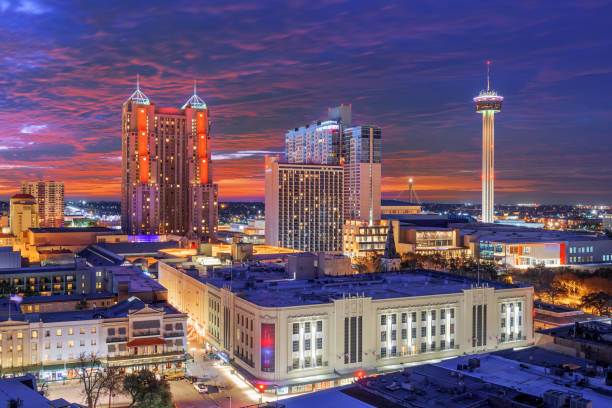
San Antonio stands as the seventh-largest city in the United States and the second-largest in Texas, offering newcomers a distinctive blend of rich cultural heritage, modern economic opportunity, and genuine Southern hospitality. With a metropolitan population exceeding 2.6 million residents, this vibrant city manages to maintain an approachable, welcoming atmosphere that smaller communities often claim but rarely deliver at this scale.
The city sprawls across South Central Texas, where three centuries of history meet cutting-edge industries in healthcare, cybersecurity, and military innovation. Unlike Houston's humidity or Dallas's corporate intensity, San Antonio offers a more relaxed pace of life without sacrificing urban amenities. The climate brings hot summers tempered by mild winters, making outdoor activities viable year-round. Rain tends to fall more generously here than in West Texas, supporting the lush landscapes that line the famous River Walk and fill neighborhood parks throughout the metro area.
What sets San Antonio apart from other major Texas cities is its deeply rooted sense of place. The Alamo is not just a tourist attraction but a daily reminder of the city's foundational story. Spanish missions dot the landscape, five of which hold UNESCO World Heritage status. Mexican and Texan cultures do not just coexist here. They have merged over generations into something entirely unique. This cultural fusion appears in everything from breakfast tacos sold at gas stations to the architecture blending Spanish Colonial Revival with modern glass and steel.
The city's economic foundation rests on five major military installations, world-class medical facilities including the renowned South Texas Medical Center, and a growing technology sector that has earned San Antonio the nickname Cyber City USA. These pillars create job stability and diversity rarely found in cities of comparable size. Young professionals find entry points in healthcare administration, cybersecurity, and biotech. Families appreciate the strong public school systems in suburbs like Boerne and New Braunfels, while retirees gravitate toward the affordable cost of living and comprehensive medical resources.
Housing options range from historic downtown lofts and River Walk condos to sprawling ranch-style homes in master-planned communities north of Loop 1604. The real estate market offers significantly more purchasing power than Austin, Dallas, or Houston. Traffic congestion exists but has not reached the gridlock levels of other major Texas metros. Most commutes stay under 30 minutes, and the city continues expanding its infrastructure to accommodate growth while preserving the neighborhoods that give San Antonio its character.
What Makes San Antonio Special?
The River Walk and Historic Missions
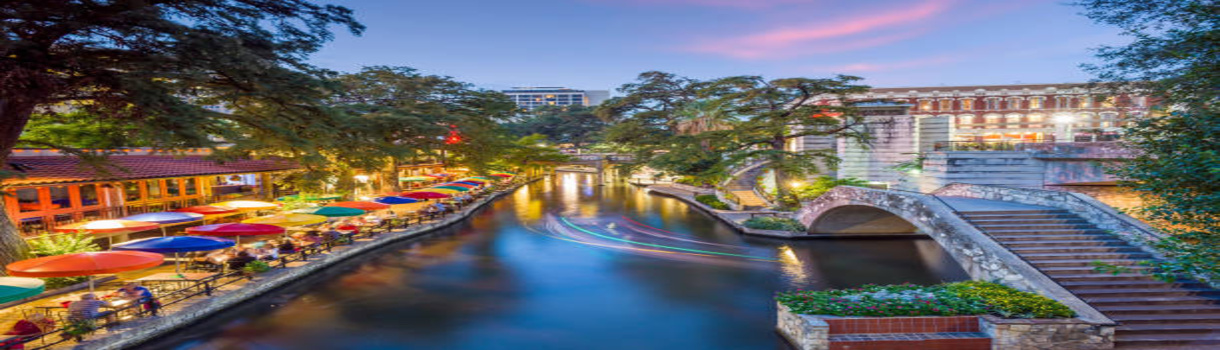
The River Walk defines San Antonio's identity like no other single feature defines any major American city. This 15-mile network of stone pathways follows the San Antonio River through the urban core, creating an entirely separate level of city life 20 feet below street grade. Cypress trees provide shade over outdoor restaurants, bars, and shops that line the water. Tour boats glide past hotel balconies and historic landmarks. The Museum Reach extension showcases public art and connects to the Pearl Brewery development, while the Mission Reach follows the river south to four historic Spanish missions.
Five 18th-century Spanish missions form a living historical corridor through the city. Mission San José, often called the Queen of the Missions, operates as an active parish church while welcoming visitors to explore its ornate stone architecture. Mission Concepción stands as the oldest unrestored stone church in America. These are not recreations or ruins. They are functioning historical sites where Mass is still celebrated in buildings constructed when Texas belonged to Spain. The missions represent the largest concentration of Spanish colonial resources in North America.
The Alamo requires little introduction but deserves recognition beyond its fame. The 1836 battle site sits in the heart of downtown, surrounded by modern development yet preserved as sacred ground. Recent restoration efforts have expanded the site to include the Long Barrack and areas previously obscured by commercial buildings. Understanding the Alamo means understanding San Antonio's origin story and the complex layers of Mexican, Spanish, and American history that created modern Texas.
Food Culture and Celebrations
Food culture in San Antonio transcends typical urban dining scenes. Breakfast tacos are not just food. They are a morning ritual and point of civic pride. Flour tortillas handmade throughout the day fill with combinations of eggs, potato, bacon, chorizo, and countless other ingredients. Barbacoa served on weekends brings families together over beef cheek tacos. Puffy tacos, a San Antonio invention, appear on menus citywide. Tex-Mex restaurants number in the hundreds, from humble family operations to upscale interpretations. The Pearl District offers James Beard Award-winning restaurants, while the Southtown Arts District hosts innovative chef-driven concepts.
Fiesta San Antonio transforms the entire city each April into a 10-day celebration involving parades, concerts, cultural events, and street parties. What began in 1891 as a one-parade event honoring Texas heroes has evolved into an economic and cultural force. The Battle of Flowers Parade brings elaborate floats and marching bands through downtown. Fiesta Flambeau illuminates the night with the largest illuminated parade in America. NIOSA, the Night in Old San Antonio, fills La Villita with food booths representing cultures from around the world. Fiesta is not a tourist event imposed on locals. It is a city-wide expression of San Antonio's character that residents anticipate all year.
Sports, Nature, and Arts
The San Antonio Spurs have built one of professional sports' most successful franchises, winning five NBA championships since 1999. The team's influence extends beyond basketball into civic identity. Game nights at the Frost Bank Center bring together diverse crowds united by silver and black. The organization's commitment to excellence and community engagement has made the Spurs a model franchise and source of local pride.
Natural attractions surround the city. Government Canyon State Natural Area offers 40 miles of hiking trails through Hill Country terrain just 20 minutes from downtown. Natural Bridge Caverns provides underground exploration an easy drive north. The Guadalupe River attracts tubers and kayakers during summer months. Enchanted Rock State Natural Area rewards hikers with panoramic views from a massive pink granite dome. Day trips to Fredericksburg, Austin, or the Texas Hill Country wine region remain easily accessible.
Arts and culture thrive beyond the tourist corridor. The McNay Art Museum houses one of the finest collections of modern art in Texas within a stunning Spanish Colonial Revival mansion. The San Antonio Museum of Art displays pre-Columbian, Spanish Colonial, and contemporary works. The Tobin Center for the Performing Arts brings Broadway shows, symphony performances, and concerts to a beautifully renovated venue. Southtown's First Friday art walks showcase local galleries and street art. The city supports independent music venues, theaters, and creative spaces that give local artists platforms to develop and share their work.



Economy
San Antonio's economy rests on a foundation more diverse than many Texas cities of comparable size. Five major military installations including Fort Sam Houston, Lackland Air Force Base, and Randolph Air Force Base employ over 80,000 active-duty military personnel and 55,000 civilian workers. This massive military presence creates economic stability that insulates the city from the boom-bust cycles affecting energy-dependent metros. Defense contractors, cybersecurity firms, and military family services build additional economic layers around these installations.
Healthcare stands as the second pillar of the local economy. The South Texas Medical Center ranks among the largest medical complexes in the nation, employing over 30,000 people across hospitals, research facilities, and specialized treatment centers. The UT Health San Antonio, University Hospital, and Methodist Healthcare System anchor this medical district. Bioscience research, particularly in cancer treatment and aging studies, attracts federal grants and private investment. Healthcare jobs span from entry-level positions to specialized research roles, creating career pathways for workers at all education levels.
Technology sector growth has accelerated over the past decade. Port San Antonio has transformed from an Air Force base into a campus housing aerospace companies, cybersecurity firms, and tech startups. The city earned recognition as Cyber City USA after establishing the nation's first comprehensive cybersecurity ecosystem. Companies like USAA, Rackspace, and Accenture maintain significant operations here. The growing tech sector provides higher-wage jobs and attracts young professionals, though the scene remains smaller than Austin's.
Tourism generates substantial revenue and employment. Over 32 million visitors arrive annually, spending billions across hotels, restaurants, attractions, and retail. The River Walk, Alamo, and downtown convention center create thousands of hospitality jobs. While these positions vary in wage and advancement potential, they provide accessible entry points into the workforce. The tourism sector supports both multinational hotel chains and locally owned restaurants and shops.
Cost of Living Advantages
Cost of living remains significantly below the national average and well below other major Texas metros. Housing costs drive much of this advantage. The real estate market offers substantially better value compared to Austin and Dallas. Rental rates for apartments provide more space and quality than comparable units in coastal cities. Property taxes run higher than California but lower than the Texas state average.
Texas imposes no state income tax, allowing workers to retain more of their earnings. Sales tax rates reach 8.25 percent in most areas, while property taxes fund public services and schools. Utility costs remain moderate, though summer air conditioning bills can surprise newcomers from milder climates. Grocery prices track slightly below national averages. Gas prices typically run below the national median.
Transportation expenses stay manageable due to reasonable commute distances and gas prices. Most residents drive, as public transportation options remain limited compared to older, denser metros. VIA Metropolitan Transit operates buses throughout the city, but car ownership remains practical for most households. Insurance rates for vehicles run higher than some states but remain competitive within Texas.
The combination of stable employment across multiple sectors, below-average housing costs, and no state income tax creates genuine economic advantages. A household can stretch income further here than in many coastal metros. This economic efficiency particularly benefits families, allowing single-income households to maintain middle-class lifestyles increasingly difficult to achieve elsewhere. Young professionals can build savings while paying off student loans. Retirees stretch fixed incomes further while accessing quality healthcare and cultural amenities.
Real Estate Market
Market Overview
The San Antonio real estate market has experienced steady appreciation without the dramatic spikes and crashes seen in other Texas cities. Home values increased approximately 40 percent between 2019 and 2024, reflecting strong demand but remaining well below Austin's explosive growth during the same period. This measured appreciation has kept homeownership accessible to middle-class buyers while building equity for existing owners.
Inventory levels fluctuate but generally favor buyers more than seller's markets in Dallas or Austin. New construction continues at a healthy pace, particularly in northern suburbs beyond Loop 1604 and in eastern areas near Cibolo and Schertz. Builders focus on single-family homes in master-planned communities, offering modern floor plans and amenities. Existing home inventory includes significant stock from the 1970s through 1990s, providing affordable entry points for first-time buyers willing to update older properties.
Architectural Styles and Housing Types
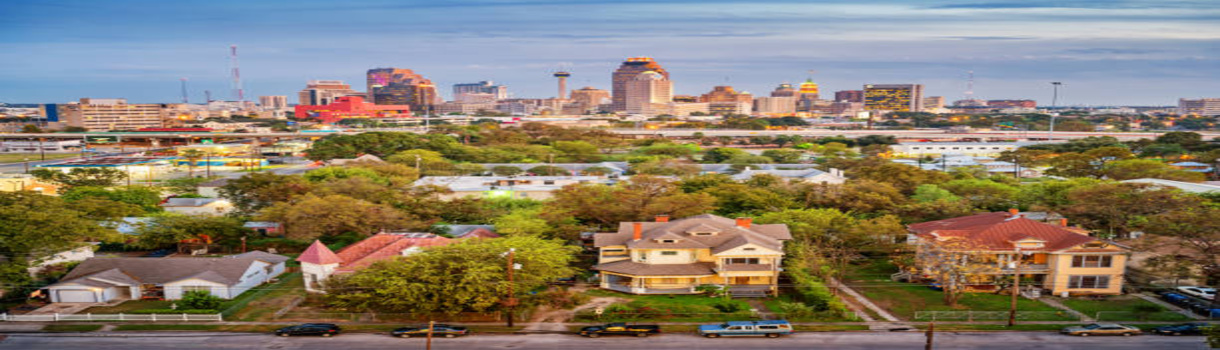
Architectural styles vary widely across the metro. Spanish Colonial Revival and Southwestern adobe-inspired designs appear in older neighborhoods and newer developments alike. Mid-century ranch homes dominate established suburbs built in the 1960s and 1970s. Modern farmhouse and contemporary styles characterize recent construction. Historic districts near downtown feature Victorian, Craftsman, and early 20th-century homes that appeal to buyers seeking character and walkability.
The rental market serves a substantial population of military personnel, students, and young professionals. Apartment complexes range from basic units to luxury high-rises downtown. Single-family home rentals attract military families seeking yards and space during temporary assignments. Investors find opportunities in the steady rental demand, though returns remain moderate compared to higher-appreciation markets.
Buying Considerations
Property taxes fund local services and schools, with effective rates around 2.1 percent of assessed value. Homestead exemptions reduce assessed values for primary residences. Compared to states with income taxes and lower property taxes, Texas homeowners often find the total tax burden competitive or favorable.
Market conditions currently favor buyers more than in recent years. Interest rate increases have cooled demand somewhat, giving buyers more negotiating room and time to make decisions. Multiple offer situations have decreased from pandemic-era peaks, though desirable properties in top school districts still move quickly. Sellers with realistic pricing find ready buyers, while overpriced listings linger on the market longer than during the previous frenzy.
New construction offers advantages and drawbacks. Builders provide warranties, modern efficiency standards, and current design preferences. Master-planned communities include amenities like pools, parks, and walking trails. However, these new neighborhoods lack mature trees and established character. Lot sizes have shrunk in recent developments. Buyers should consider whether they prefer turnkey convenience or the larger lots and established trees found in older suburbs.
Investment potential varies by area. Neighborhoods near major employers like USAA, Valero, or the medical center offer rental demand and appreciation potential. Areas experiencing revitalization, such as the East Side and Dignowity Hill, attract investors seeking value-add opportunities. However, speculation has driven values in some transitioning neighborhoods beyond their current rental yields. Investors should focus on fundamentals rather than appreciation assumptions and ensure rental rates support mortgage and expense coverage.
Where in San Antonio?
Bexar County
Bexar County encompasses San Antonio proper and remains the urban core where most residents live and work. The county offers the widest variety of housing options, from downtown high-rises to suburban ranch homes, historic bungalows to new master-planned communities.
Alamo Heights
This independent municipality features tree-lined streets, well-maintained older homes, and excellent schools. The neighborhood centers around Broadway Street, offering walkable access to restaurants and boutiques. Property values exceed the metro average. The Alamo Heights Independent School District consistently ranks among Texas's top public school systems. This area suits established professionals, executives, and families prioritizing education and location.
Stone Oak
Stone Oak has evolved into the premier master-planned community north of San Antonio. Located inside Loop 1604, this area offers newer homes built primarily since the 1990s on rolling Hill Country terrain. The neighborhood features shopping centers, restaurants, parks, and highly rated schools. The area attracts young families, medical professionals, and corporate executives. Stone Oak provides suburban amenities with relatively easy access to downtown via Highway 281.
Downtown and Southtown
These areas attract urban dwellers seeking walkability and cultural amenities. The Southtown Arts District offers renovated historic homes, modern lofts, and a thriving gallery and restaurant scene. King William Historic District features Victorian mansions along the San Antonio River. Downtown condos provide River Walk access and proximity to entertainment. This area suits young professionals, empty nesters, and anyone prioritizing urban lifestyle over yard space.
The East Side
The East Side represents San Antonio's most affordable and culturally significant area. Historic neighborhoods like Dignowity Hill feature charming older homes undergoing revitalization. The area connects deeply to San Antonio's Mexican-American heritage through churches, restaurants, and community institutions. Young couples, artists, and those seeking authentic cultural character find opportunities here.
Comal County
Comal County sits directly northeast of Bexar County, encompassing New Braunfels and surrounding communities. The county has experienced explosive growth as San Antonio expands northward. German heritage influences architecture, festivals, and local culture.
New Braunfels
New Braunfels serves as the county seat and primary city. This historic town dates to 1845 when German immigrants established it along the Guadalupe and Comal rivers. The downtown square retains its German Hill Country charm. Comal Independent School District earns strong ratings, attracting families from San Antonio. New Braunfels suits families, retirees, and anyone wanting small-town character with big-city proximity.
Master-Planned Communities
Communities like The Preserve and Vintage Oaks attract buyers seeking modern amenities and Hill Country views. These developments offer new homes, resort-style pools, fitness centers, and golf courses. Lot sizes generally exceed those in comparable San Antonio communities. These neighborhoods draw telecommuters, commuters, and retirees willing to drive for urban amenities in exchange for space and natural beauty.
Canyon Lake
Canyon Lake provides waterfront living options. This reservoir attracts boaters, anglers, and water sports enthusiasts. The area skews toward retirees and weekend warriors but also serves families seeking outdoor recreation. Canyon Lake suits active retirees, outdoor enthusiasts, and those wanting weekend retreat atmosphere as primary residence.
Kendall County
Kendall County sits northwest of San Antonio in the heart of the Texas Hill Country. This sparsely populated county features rolling terrain, limestone hills, and vast ranches. The county seat, Boerne, serves as the main population center.
Boerne
Boerne combines small-town charm with proximity to San Antonio's job centers. The historic downtown features German-influenced architecture, boutique shopping, and local restaurants. The town has expanded rapidly with new subdivisions. Boerne Independent School District consistently earns top ratings statewide. Boerne suits families with children, professionals willing to commute, and those wanting small-town community with access to urban amenities.
Fair Oaks Ranch
Fair Oaks Ranch occupies a unique position straddling multiple counties. This master-planned community offers two golf courses, equestrian facilities, parks, and a town center. The community attracts affluent families, golf enthusiasts, and horse owners. Fair Oaks Ranch provides a country club atmosphere with guarded entries and extensive amenities.
Guadalupe County
Guadalupe County extends east of San Antonio, encompassing Seguin, Schertz, Cibolo, and surrounding communities. The county has transformed from agricultural to suburban as San Antonio's growth pushes eastward. Lower property values compared to Bexar County attract families and first-time buyers.
Schertz and Cibolo
These cities form a connected suburban area along Interstate 35 northeast of San Antonio. They offer newer developments, good schools, and convenient access to Randolph Air Force Base and San Antonio employers. Schertz-Cibolo-Universal City ISD serves most residents and maintains solid ratings. The area attracts military families, young professionals, and first-time buyers wanting value without sacrificing quality.
Seguin
Seguin serves as the county seat, located about 35 miles east of San Antonio. This historic town features a preserved downtown and the beautiful Guadalupe River running through it. Seguin offers the most affordable housing in the metro area. Seguin appeals to buyers seeking maximum space for their budget, retirees on fixed incomes, and those wanting genuine small-town life within commuting distance of San Antonio.
Medina County
Medina County sits west and southwest of San Antonio, representing the most rural and least developed of the metro counties. The county features ranches, agricultural land, and small towns that maintain authentic rural character.
Castroville
Castroville, known as the Little Alsace of Texas, was founded by Alsatian immigrants in 1844. The town preserves its European heritage through architecture and local celebrations. Historic buildings line the main street. Housing remains affordable. Castroville works for those seeking genuine small-town life, history enthusiasts, and buyers wanting affordability with character.
Rural Medina
Rural Medina County offers acreage properties and working ranches. Buyers can find substantial land tracts. These properties require self-sufficiency, as utilities may be limited and services distant. The landscape provides rolling terrain, native vegetation, and genuine ranch land. This option appeals to buyers wanting agricultural operations, horse facilities, or simply space and solitude.
San Antonio offers newcomers a rare combination of affordability, economic stability, cultural richness, and quality of life. The city provides genuine urban amenities without the costs and congestion of larger metros. Neighborhoods span from urban lofts to Hill Country ranches, giving buyers options matching nearly any preference and budget. The surrounding counties extend these choices further, allowing families to prioritize schools, nature, affordability, or prestige based on individual needs.
The real estate market remains accessible compared to other major Texas cities, and the economy's diversity provides job opportunities across industries and skill levels. Military presence, healthcare institutions, and growing technology sectors create stability. Add year-round outdoor recreation, three centuries of history, and food culture that stands with any American city, and San Antonio presents a compelling case for relocation.
Those considering a move should visit multiple times, exploring different neighborhoods and experiencing the city beyond tourist areas. Talk to residents, drive commute routes at rush hour, and research school districts thoroughly. San Antonio rewards those who take time to understand its neighborhoods and find the right fit. The city does not suit everyone. It gets hot, it sprawls, and public transit lags behind older metros. But for those seeking value, opportunity, and a welcoming community with genuine character, San Antonio delivers in ways few American cities can match.

What Now?
Let us help!
Now that you’ve explored what the San Antonio metro area has to offer, you’re probably wondering which community is the right fit for you. Moving to a new city can feel overwhelming without local insight and trusted guidance.
PrimeStreet connects you with experienced real estate professionals who truly know the San Antonio market. Whether you're drawn to urban living near Downtown and the River Walk, family-friendly suburbs like Stone Oak or Alamo Heights, or quieter communities in the surrounding Hill Country, the right agent can help you navigate your options with confidence.
Call us at 855-531-5347 or click “Find an Agent” below to get started. A team member will learn about your housing needs, budget, preferred areas, and timeline. Our matching system will then connect you with a qualified local agent who has the experience and knowledge to help you find your perfect home in the San Antonio area.
Let us help you plan your move to San Antonio and start your next chapter in South Texas.