
By Melanie Ortiz Reyes - Marketing Strategist - PrimeStreet.io
Moving There
People who have never spent time in Salt Lake City tend to hold one of two pictures in their heads. The first is a mountain town. The second is a conservative religious enclave with limited appeal to outsiders. Neither picture is wrong, exactly, but neither comes close to capturing what life actually looks like for the people who choose to build their lives here.
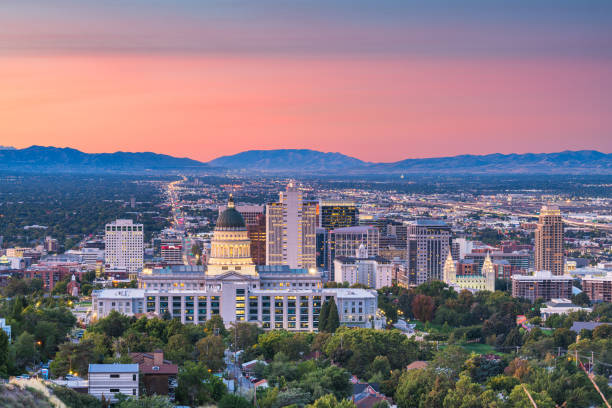
Salt Lake City sits in a broad valley along the Wasatch Front, flanked by the Wasatch Range to the east and the Oquirrh Mountains to the west, with the Great Salt Lake shimmering to the northwest on clear days. The geography is dramatic in a way that takes some getting used to. The mountains are not backdrop. They are present in the daily visual field from nearly every street in the valley, and they organize how residents spend their leisure time in ways that shape community culture more deeply than most urban amenities can.
The greater Salt Lake metropolitan area spans six counties. Salt Lake County holds the city itself and the majority of the metro's population and employment. Utah County to the south anchors a second economic center around Provo and Orem. Davis and Weber counties extend the metro northward along the Wasatch Front. Tooele County lies west across the Oquirrh Mountains. Summit County, anchored by Park City, provides the metro's most distinct residential alternative for households whose priorities run toward mountain living and a resort-town community character.
This guide is written for households working through a real relocation decision. It covers the economy, housing, cost of living, and the county-by-county character of the region in the detail that makes the difference between a move made confidently and one made on assumptions that don't hold up after arrival.
What's Makes Salt Lake City Different?
A City at the Base of the Mountains
The relationship between Salt Lake City and the Wasatch Range is not incidental. The mountains define how the city feels from street level, how the air smells after a storm moves through, and how residents structure their weekends from October through May. Alta, Brighton, Snowbird, and Solitude are four world-class ski resorts accessible within 45 minutes of downtown. During a strong snow year, the Cottonwood Canyons receive snowfall measured in hundreds of inches, and the phrase Greatest Snow on Earth, which appears on Utah license plates, reflects a legitimate meteorological claim about the light, dry powder that falls on the central Wasatch.
Skiing is the headline, but the mountain access runs year-round. The Bonneville Shoreline Trail follows the ancient shoreline of Lake Bonneville, the prehistoric lake whose remnant is today's Great Salt Lake, along the base of the Wasatch from one end of the valley to the other. Red Butte Garden and the natural areas in the foothills above the University of Utah provide hiking within the city limits. Big and Little Cottonwood Canyons, Mill Creek Canyon, and Emigration Canyon offer trail systems used by runners, cyclists, and hikers throughout the warmer months. For households that organize their lives around outdoor recreation, the Salt Lake metro competes with essentially any city in the country.
A City That Has Grown Into Itself
Salt Lake City has changed visibly over the past fifteen years and the trajectory of that change has consistently run toward more openness, more cultural variety, and more civic investment in the quality of the urban environment. The 9th and 9th neighborhood, the 15th and 15th district, and the growing Sugar House commercial corridor give the city walkable neighborhoods with independent restaurants, coffee shops, bookstores, and community gathering places that reflect a diverse permanent population rather than a single demographic or cultural tradition.
The Granary District south of downtown has developed from industrial warehouse land into an arts and food destination anchored by breweries, galleries, and restaurants housed in converted brick buildings. The Natural History Museum of Utah, perched on the University of Utah campus with panoramic valley views, holds one of the most impressive dinosaur fossil collections in the world and contributes to a cultural infrastructure that includes the Utah Symphony, Ballet West, Pioneer Theatre Company, and the Sundance Film Festival, which draws global film industry attention to nearby Park City each January.
The Great Salt Lake and the Western Desert
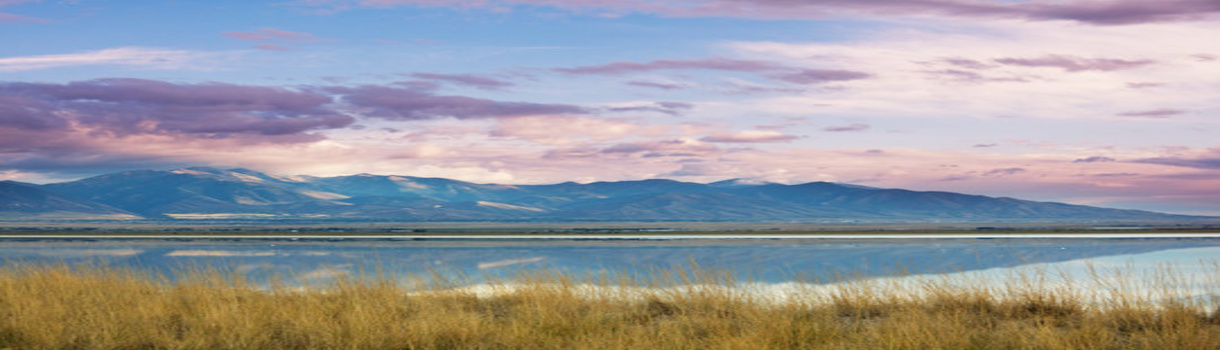
The Great Salt Lake is one of the genuinely remarkable natural features of the American West, a terminal lake with no outlet that has been a defining element of the regional landscape since before European settlement. Its salinity supports brine shrimp and migratory bird populations in numbers that make the lake one of the Western Hemisphere's most significant shorebird habitats. Antelope Island State Park, connected to the mainland by a causeway in Davis County, holds bison herds, pronghorn antelope, and trails across a landscape unlike anything in the more photographed parts of the West.
The Bonneville Salt Flats west of the lake, the red rock canyon country accessible within two to three hours in multiple directions, and the national parks of southern Utah within a half-day's drive give Salt Lake residents a recreational geography that rewards years of exploration without exhausting the options. Arches, Canyonlands, Zion, and Bryce Canyon are each within a driving day of the city, a proximity that distinguishes the Salt Lake metro from almost any equivalent-sized metropolitan area in the country.



Economy
Technology and the Silicon Slopes
The stretch of the Wasatch Front running from Salt Lake City south through Lehi, Provo, and Orem has been nicknamed Silicon Slopes, a reference to the concentration of technology companies that has made Utah one of the fastest-growing tech economies in the country over the past decade. Adobe, Qualtrics, Domo, and dozens of high-growth software and cloud companies have built significant operations along this corridor. The combination of a young, educated workforce produced in part by Brigham Young University and the University of Utah, a business-friendly regulatory environment, and a quality of life that attracts out-of-state talent has compounded into a technology employment base deeper than the region's national profile typically reflects.
For professionals in software engineering, product management, cybersecurity, data science, and technology operations, the Salt Lake and Utah County corridor offers genuine career options with compensation structures that compare favorably to coastal markets and a cost of living that translates those salaries into meaningfully more purchasing power.
Healthcare, Finance, and the University
Intermountain Health, formerly Intermountain Healthcare, is one of the country's largest and most recognized nonprofit health systems and the metro's dominant healthcare employer. The system operates hospitals and clinics throughout the valley and across the region, employing a broad range of clinical, administrative, and research professionals. The University of Utah Health system adds a second major academic medical center, anchored by the University of Utah Hospital on the east bench, with a research enterprise that generates significant grant-funded employment and clinical trial activity across multiple medical specialties.
Goldman Sachs, Fidelity Investments, and a cluster of financial services firms have established significant operations in Salt Lake City, drawn by the educated workforce and the cost advantages of operating in the mountain west rather than New York. The Church of Jesus Christ of Latter-day Saints, headquartered in Salt Lake City, operates one of the world's largest private humanitarian and commercial organizations and is a major employer in the region across a range of professional disciplines. For households relocating in healthcare, finance, or technology, the Salt Lake metro's employment depth consistently exceeds what the city's size would predict.
Outdoor Industry and Tourism
Utah's outdoor recreation economy, anchored by the skiing industry, the national park tourism sector, and a growing cluster of outdoor gear and apparel companies, contributes meaningfully to regional employment and to the cultural identity of the metro area. Companies in the outdoor industry cluster along the Wasatch Front, and the state's position as a global destination for skiing, hiking, mountain biking, and climbing creates hospitality, retail, and service employment in the resort communities and supporting corridors throughout the region.
Cost of Living
Housing and What the Budget Buys
Salt Lake City's housing costs have risen substantially since 2019 and no longer represent the dramatic bargain they offered households arriving from coastal markets in the years prior to the pandemic. The metro absorbed significant in-migration from California, the Pacific Northwest, and other high-cost states during the 2020-to-2022 period, and median prices in Salt Lake County rose accordingly. The market has since moderated, with more inventory and less urgency than the peak years, but values have not returned to pre-pandemic levels.
Median home prices in Salt Lake County currently cluster in the $500,000 to $600,000 range depending on neighborhood and property type, representing a significant premium over national medians while still falling below comparable markets in Denver, Seattle, and most California metros. Utah County to the south offers somewhat lower medians in its inland communities, though the Provo-Orem corridor has also appreciated. Davis and Weber counties provide the metro's most accessible price points for families who want established suburban living and can absorb longer commutes to Salt Lake employment. Tooele County, across the Oquirrh Mountains, remains the least expensive county in the metro for buyers willing to accept the pass crossing as a daily reality.
Average one-bedroom rents in Salt Lake City's central neighborhoods run approximately $1,400 to $1,900 per month depending on location and unit vintage. Rents in Davis and Weber county communities run below those figures and represent the most practical entry point for households arriving without an immediate purchase plan. Summit County's Park City market operates at a significant premium above the rest of the metro and reflects the resort-driven demand dynamics that govern mountain town real estate throughout the West.
Utah Taxes and the Practical Picture
Utah levies a flat 4.65 percent individual income tax, applied uniformly across income levels. Property taxes in Utah are relatively low by national standards, and the effective rate on a median-priced home compares favorably to most western states. Sales tax varies by county and municipality and runs at rates that households should factor into grocery and household goods budgets. There is no state inheritance tax and no estate tax, which is a relevant consideration for households relocating with significant assets.
Winter air quality in the Salt Lake Valley deserves honest mention. The valley's geography creates temperature inversion conditions during winter months that trap particulate matter and vehicle emissions close to the surface, producing air quality episodes that can be significant during extended cold and still periods. Households with respiratory conditions should research the inversion phenomenon and its frequency before committing to a valley-floor address. The foothills and bench communities on the east side of the valley typically sit above the inversion layer and experience meaningfully better air quality during these episodes, a fact reflected in their housing prices.
Real Estate Market
What Buyers Find Today
The Salt Lake metro's housing market has moved from the frenzied conditions of 2021 and 2022 into a more deliberate pace that allows buyers to conduct proper due diligence and negotiate without the compressed timelines that defined the peak period. Inventory has increased across most submarkets, and sellers are more willing to engage on inspection responses and price than they were when multiple offers arrived within days of listing.
Well-priced homes in the east bench neighborhoods of Salt Lake City, the Cottonwood Heights and Holladay communities near the canyon mouths, and the established suburbs of Sandy and Draper continue to attract attentive buyer interest. The Davis County communities of Bountiful and Centerville have seen sustained activity from families who have evaluated the full metro and concluded that the combination of school quality, price point, and commute access represents the best overall value. New construction concentrates in the Lehi and Eagle Mountain areas of Utah County and in the developing western portions of Tooele County, where land is available and builders have responded to demand priced out of the core Salt Lake County market.
Architectural Character
Salt Lake City's older neighborhoods hold a residential character shaped by the Latter-day Saint settlement pattern of wide streets, generous lot sizes, and homes built for large households. The Avenues neighborhood north of downtown contains some of the city's finest late-Victorian and Craftsman residential architecture on a grid of lettered and numbered streets running up toward the foothills. Sugar House holds a mix of bungalows and mid-century ranch homes on tree-lined streets that have made it one of the city's most consistent draws for buyers who want established neighborhood character. The 9th and 9th area and the streets surrounding Liberty Park offer the metro's best combination of walkability, dining access, and older residential stock.
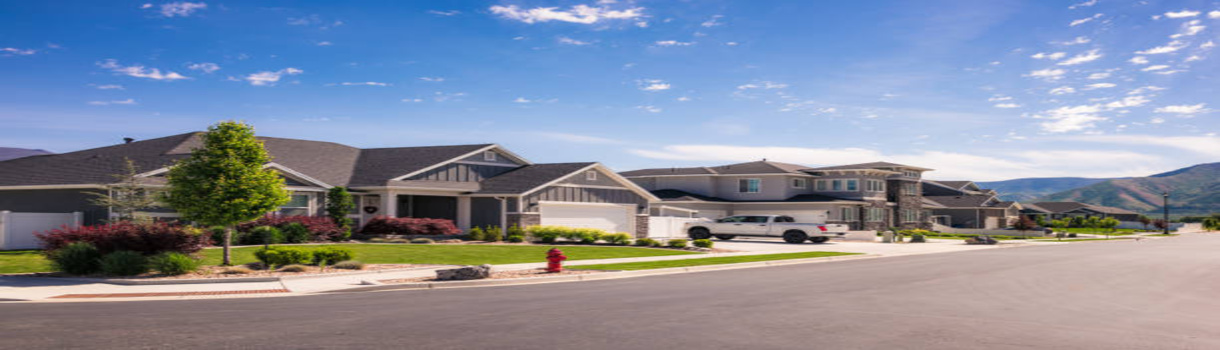
The suburban communities across the valley offer the full range of production home construction from the postwar ranch homes of Davis County to the two-story colonials of Sandy and Draper and the newer open-plan homes filling the Utah County growth corridors. New construction in the Lehi and Saratoga Springs areas represents the most active segment of the market for buyers seeking modern floor plans and community amenities at prices accessible to first-time and move-up buyers.
Where in the Salt Lake Area?
The six counties of the Salt Lake metropolitan area span a geographic range significant enough that the county of residence shapes the daily experience of living here as much as the city itself does. Each county offers a distinct relationship to the mountains, the employment base, the school system, and the rhythms of the surrounding landscape.
Salt Lake County
Salt Lake County holds the city proper along with a collection of incorporated cities and unincorporated communities that together house the majority of the metro's population. The county covers a range of residential environments from the walkable urban neighborhoods of the city's east side to the family-oriented suburbs of Sandy, Draper, and Herriman along the southern edge of the valley, with every variation in between.
The Avenues and the East Bench
The Avenues neighborhood, running north and east of the State Capitol on a grid that climbs toward the Wasatch foothills, is Salt Lake City's most architecturally distinguished residential area. The homes here range from modest Victorian cottages to substantial brick and stone houses built in the first decades of the twentieth century, and the streets retain the mature trees and settled character that come from more than a century of continuous habitation. Residents walk to the downtown core, to the farmers market in Pioneer Park, and to the coffee shops and restaurants along the lower Avenues commercial corridor. The neighborhood draws professionals, academics, artists, and long-term residents who value walkability and neighborhood character over square footage. It tends to suit households that want urban proximity without sacrificing a genuine sense of place.
Sugar House and the 9th and 9th Area
Sugar House sits southeast of downtown along the 2100 South corridor and has been one of Salt Lake City's most consistently sought-after neighborhoods for decades. The commercial district along Highland Drive and 1100 East holds an independent retail and dining character that reflects the permanent residential population rather than tourist traffic. Liberty Park, the largest municipal park in the city, anchors the western edge of the neighborhood with sports courts, a pond, and green space that draws residents from across the valley on weekends. The adjacent 9th and 9th district, named for the intersection of 900 South and 900 East, concentrates a collection of walkable small businesses in a format that has become a reference point for what Salt Lake City's neighborhood commercial culture can look like at its best. These neighborhoods work well for young professionals, couples, and households that prioritize walkable urban life and don't need a large home footprint.
Cottonwood Heights and Holladay
Cottonwood Heights and Holladay sit on the east bench at the mouths of Big and Little Cottonwood Canyons and represent the closest residential communities to the Wasatch ski resorts. Households here are typically 20 to 35 minutes from Alta and Snowbird on a weekend morning, a proximity that drives real estate demand among skiing households who want resort access as a routine feature of winter rather than a special occasion. The housing stock mixes mid-century ranch homes on large lots with newer construction and some condominium development, and the communities attract a mix of established families, outdoor enthusiasts, and professionals whose work connects them to the canyon recreation economy. These neighborhoods are particularly well suited to households that ski regularly or whose outdoor recreation lives are centered on the canyon corridors.
Sandy, Draper, and Herriman
The southern Salt Lake County communities of Sandy, Draper, and Herriman serve the metro's family relocation demand with newer construction, community park infrastructure, and school assignments that have built strong reputations for academic performance. Sandy holds the largest outdoor amphitheater in Utah at USANA, and its proximity to the Cottonwood Canyons gives it outdoor access comparable to Cottonwood Heights at somewhat lower price points. Draper, at the county's southern edge, has attracted corporate campuses and a professional employment base that allows many of its residents to work without a daily commute into the city. Herriman, in the county's southwestern corner, has grown rapidly as buyers priced out of eastern bench communities have found newer homes and developing community infrastructure at more accessible price points. These communities make the most sense for families with school-age children who want suburban amenities, newer construction, and reasonable Salt Lake County commute times.
Utah County
Utah County lies immediately south of Salt Lake County and functions as a second economic center within the broader metro, anchored by Brigham Young University in Provo and a technology employment corridor in Lehi that has become one of the most active in the mountain west. The county's population skews younger than the metro average, reflecting both the university presence and the family formation patterns of a community with strong religious affiliation and high birth rates. Provo and Orem are the county's urban anchors, with the developing communities of Lehi, Saratoga Springs, and Eagle Mountain absorbing the majority of the growth driven by the Silicon Slopes employment corridor.
Provo and Orem
Provo carries a community identity shaped by Brigham Young University in ways that are visible in the demographics, the commercial character, and the social culture of the city. The university's 35,000-plus students and 5,000-plus employees anchor a local economy of services, retail, and technology startups that orbit the campus and spread northward toward Orem's commercial corridors. For households whose work or family connection brings them to the southern end of the metro, Provo offers lower housing costs than comparable Salt Lake County communities, a walkable downtown that has invested meaningfully in its restaurant and arts programming, and outdoor recreation access at Provo Canyon and the Timpanogos area that rivals anything the northern Wasatch provides. Orem, adjacent to Provo on the north, carries a more suburban character with the commercial infrastructure of a mid-size Utah city and housing stock ranging from postwar bungalows to newer developments along the foothills.
Lehi and Saratoga Springs
Lehi sits at the northern edge of Utah County along the I-15 corridor and has become the physical center of the Silicon Slopes technology employment cluster. Adobe's Utah campus, Ancestry.com, and dozens of software companies have built offices here, and the resulting employment concentration has driven one of the fastest residential growth rates in the state. New construction communities in Lehi and neighboring Saratoga Springs offer modern floor plans, community amenities, and school options at prices below Salt Lake County's comparable new construction markets, and the commute to the Lehi corporate parks is often more practical from these communities than from anywhere in the more expensive northern valley. Households relocating specifically for Silicon Slopes employment consistently find that Lehi and Saratoga Springs represent the most practical combination of proximity to work, housing value, and family community infrastructure.
Davis County
Davis County sits north of Salt Lake County along the Wasatch Front and provides the metro's most consistent combination of school quality, neighborhood stability, and price accessibility for families who need to commute to Salt Lake County employment. The county is flanked by the Great Salt Lake to the west and the Wasatch foothills to the east, and its communities benefit from a position above the valley floor that frequently places them above the winter inversion layer affecting air quality in the lower valley.
Bountiful and Centerville
Bountiful, immediately north of Salt Lake County along I-15, is the county's most established and populous city and one of the metro's most consistent draws for families that have evaluated the full valley and concluded that the combination of established neighborhoods, strong schools, and a 20-to-30-minute commute to Salt Lake City employment represents the best overall package. The bench communities above Bountiful's main commercial corridor offer mountain views and foothills access that the lower valley communities lack, and the housing stock ranges from mid-century homes on generous lots to newer construction in the hills above the original townsite. Centerville, just north of Bountiful, carries a similar residential character at a slightly smaller scale and draws families who want Davis County's school quality in a community that feels genuinely neighborly. Both communities work particularly well for families with children who want suburban living without suburban isolation.
Kaysville and Layton
Moving north through Davis County, Kaysville and Layton carry the character of communities that grew around their orchards and agricultural traditions before suburban development arrived along the I-15 corridor. Kaysville has maintained a small-town community feel that residents who have lived there for decades describe as its defining quality, with established neighborhoods and a school district that consistently earns positive recognition. Layton, the county's largest city, offers a broader range of commercial services, a regional shopping center, and housing at entry-level prices that make it one of the most accessible communities in the northern metro for first-time buyers and households arriving on tighter budgets. Hill Air Force Base, in the northern part of the county, is a significant employer and generates a military household presence that shapes the community culture of the northern Davis County communities in ways comparable to Fort Moore's influence on the Columbus metro.
Weber County
Weber County sits north of Davis County with Ogden as its county seat and urban anchor. Ogden has undergone a genuine revitalization over the past two decades, centered on the 25th Street historic district and the outdoor recreation economy built around the Wasatch mountains immediately east of the city. The junction of the transcontinental railroad was laid at Promontory Summit north of Ogden in 1869, and the city's history as a railroad hub has left a downtown architectural legacy that gives it a different physical character than the newer communities further south along the Wasatch Front.
Ogden and the 25th Street District
Ogden's 25th Street, once a rough railroad-era commercial strip, has become one of the more interesting historic commercial corridors in Utah, with independent restaurants, microbreweries, live music venues, and specialty retail housed in 19th and early-20th-century brick buildings. The adjacent neighborhoods of older Victorian and craftsman homes attract buyers who want urban character and affordable prices in a city that has been discovered by outdoor enthusiasts and remote workers seeking mountain access without Salt Lake County price tags. Snowbasin and Powder Mountain, two ski resorts in the mountains east of Ogden, are less crowded than the Cottonwood Canyon resorts and draw buyers who prioritize skiing experience over resort proximity to a major employment center. Ogden works well for remote workers, outdoor enthusiasts, and buyers who want walkable urban character at prices well below the Salt Lake City equivalents.
Pleasant View and North Ogden
The communities north of Ogden along the Wasatch Front, including Pleasant View, North Ogden, and Harrisville, offer newer suburban construction, mountain foothills access, and a family-oriented community character at some of the most accessible price points in the northern metro. These communities draw families who need to balance school quality, home size, and purchase price and who are comfortable with the commute patterns that the northern Wasatch Front requires. Hill Air Force Base employment provides an additional anchor for the military families that have made northern Davis and southern Weber counties their preferred landing zone in the metro.
Tooele County
Tooele County lies west of Salt Lake County across the Oquirrh Mountain Range, connected to the valley floor by a mountain pass on I-80 that takes most commuters 30 to 45 minutes to cross. The county is the least densely settled of the six metro counties and carries a character shaped by the mining and military history of the western Utah desert alongside a growing residential population of households priced out of Salt Lake County who have decided the commute is worth the cost savings.
Tooele City, the county seat, and the surrounding communities of Grantsville and Stansbury Park offer some of the most affordable new construction and resale housing in the metro area, with median prices running meaningfully below Salt Lake County equivalents for comparable home sizes. The tradeoffs are genuine: the pass crossing adds time and occasional weather uncertainty to the daily commute, services are more limited than in the eastern valley communities, and the high desert landscape west of the mountains is austere in a way that appeals to some buyers and deters others. For households whose priority is maximizing home size and lot size per dollar spent and who are comfortable with a longer commute, Tooele County delivers value that is difficult to match anywhere in the more established Salt Lake metro.
Summit County
Summit County sits east of Salt Lake County in the Wasatch Back and operates as a functionally distinct residential market driven primarily by the Park City ski resort economy. The county is home to Park City Mountain Resort and Deer Valley, two world-class ski destinations, and the community culture of its permanent residential population reflects decades of resort town development in ways that make it feel more akin to Aspen or Vail than to the Wasatch Front communities to the west.
Park City
Park City is one of the country's most recognized mountain resort communities and carries a permanent residential population alongside the seasonal visitor and second-home economy that drives its real estate market. Historic Main Street, preserved from the city's silver mining era, holds restaurants, galleries, and boutiques that serve a sophisticated year-round crowd. The Sundance Film Festival, held each January, brings global film industry attention to the city for ten days and contributes to a creative and arts community that persists through the full calendar year. Housing prices in Park City are substantially higher than anywhere else in the metro, reflecting resort-driven demand that operates according to different economics than the primary residential markets of the valley. The community suits buyers and renters whose budgets support resort-community pricing and whose daily lives connect more to the outdoor recreation and arts economy than to the technology and healthcare employment corridors of the Wasatch Front.
Kamas Valley and the Eastern Summit County Communities
East of Park City, the Kamas Valley and communities like Oakley and Francis offer a more rural version of Summit County living at price points below the resort core. Families and remote workers who want mountain proximity, larger land parcels, and a quieter community character find genuine value in these communities, accepting longer drives to Park City amenities and longer commutes to Salt Lake employment in exchange for a residential environment that maintains the agricultural and outdoor character of the high-mountain valley. For households whose work allows full remote flexibility and who prioritize landscape and quiet over urban access, the eastern Summit County communities represent one of the more compelling residential options in the entire metro area.

Next Steps
Let us help!
The Salt Lake metro rewards households who take time to understand what each county and community actually delivers before settling on a target area. The difference between a home in Salt Lake City's Avenues neighborhood and a home in Lehi's newest subdivision is not only a question of price or distance from the canyon. It is a question of commute patterns, school assignments, neighborhood character, air quality exposure during inversion season, and the particular texture of daily life that each setting produces.
A technology professional whose office sits in the Lehi silicon corridor faces a different location calculation than a physician whose hospital is on the University of Utah east bench. A couple relocating from Seattle who wants walkable neighborhood life and independent restaurant access has different priorities than a family of five that needs four bedrooms, a two-car garage, and a school district with strong athletics and college placement rates. A buyer drawn to the ski resort access of Cottonwood Heights carries different research requirements than one evaluating a rural Summit County property in the Kamas Valley.
PrimeStreet connects relocating buyers and renters with experienced Salt Lake metro real estate professionals who understand these distinctions from daily practice. Whether the priority is a walkable urban neighborhood in Salt Lake City, a Davis County suburb with strong schools and accessible pricing, a technology corridor community in Utah County, a value-driven Tooele County purchase, or a mountain community in Summit County, the right local agent is the difference between a search that drains energy and one that builds genuine confidence. Call 855-531-5347 or click Find an Agent to reach a Salt Lake area agent ready to listen first and then help match you to the right community.