

By Melanie Ortiz Reyes - Marketing Strategist - PrimeStreet.io
Move to Northeastern Nort Carolina
Where To Live In The Albemarle Region
Are you thinking about making a move to Northeastern North Carolina? You're considering a region that offers something increasingly rare: coastal beauty, small-town character, and genuine affordability. The Albemarle Region, encompassing Pasquotank, Camden, Currituck, and Gates Counties, sits along the historic Albemarle Sound and provides a quality of life centered around water, nature, and community. With a combined population of around 100,000 residents, this area balances peaceful coastal living with convenient access to larger metros.
The region has earned recognition for its natural beauty, historic significance, and welcoming communities. Residents appreciate the slower pace and authentic character that defines Northeastern North Carolina, where waterways shape daily life, maritime heritage runs deep, and neighbors genuinely know each other. The area offers an appealing combination of coastal access, outdoor recreation, and small-town warmth.
This corner of North Carolina sits where sounds, rivers, and the Atlantic Ocean create a landscape dominated by water. The Outer Banks beaches are within easy reach, while the Albemarle Sound provides calmer waters for boating and fishing. From exploring historic towns to kayaking through marshlands to enjoying fresh seafood, the region delivers experiences rooted in coastal Carolina tradition.
The climate in Northeastern North Carolina features four mild seasons with coastal influence. Winters are generally moderate, with temperatures typically ranging from the 30s to 50s Fahrenheit. Snow is rare and usually light when it does fall, with most winter precipitation coming as rain. The proximity to water moderates temperature extremes.
Summers are warm and humid, characteristic of coastal North Carolina. Temperatures regularly reach the upper 80s and low 90s Fahrenheit, with humidity making it feel warmer. Sea breezes can provide relief along the water. Air conditioning is standard during summer months. Spring brings beautiful weather with flowers blooming throughout the region. Fall offers comfortable temperatures and is considered by many residents to be the ideal time of year. The area can experience tropical systems and hurricanes during the Atlantic hurricane season, which runs from June through November.
Here are some of the reasons why Northeastern North Carolina has become increasingly popular among homebuyers:
Affordability: The region offers significantly lower housing costs compared to larger metros and many other coastal areas, making homeownership accessible.
Coastal lifestyle: Access to the Albemarle Sound, rivers, and nearby Outer Banks beaches provides water-based recreation and scenic beauty.
Small-town character: Genuine communities where neighbors connect and local traditions matter create a welcoming environment.
Outdoor recreation: Fishing, boating, kayaking, hunting, and nature exploration opportunities abound throughout the region.
Strategic location: Proximity to Virginia Beach, the Outer Banks, and the Hampton Roads area provides access to larger metro amenities when desired.
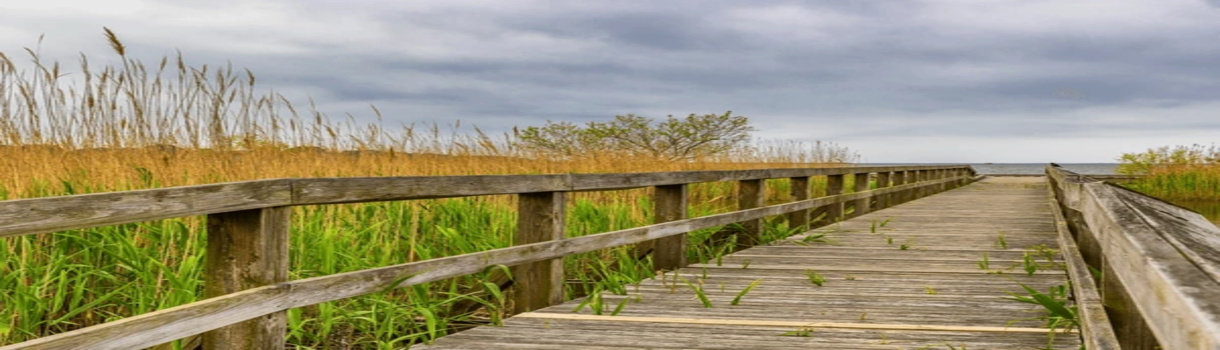
What's Special About Northeastern NC?
The Albemarle Region is home to approximately 100,000 people across four counties, creating an area that maintains rural and small-town character while providing essential amenities and services. This region represents one of the earliest settled areas of North Carolina, with history dating back to colonial times.
The Albemarle Sound dominates the geography, creating the second-largest estuary in the United States. This massive body of water influences everything from the economy to recreation to daily life. The sound provides calm waters ideal for boating, fishing, and water sports, while serving as habitat for diverse wildlife.
Maritime heritage defines much of the region's identity. Commercial fishing, boat building, and water-based livelihoods have sustained communities for generations. This heritage remains visible in working waterfronts, seafood markets, and cultural traditions that continue today.
Elizabeth City serves as the largest community and unofficial hub of the region. The town's historic downtown waterfront features classic architecture, local businesses, and a marina that welcomes boaters traveling the Intracoastal Waterway. The town has maintained its historic character while providing shopping, dining, and services for the surrounding area.
The Outer Banks sit just to the east, with barrier island beaches accessible within 30 to 60 minutes depending on location. This proximity provides beach access without the crowds and costs of living directly on the Outer Banks. Many residents enjoy visiting the beaches while appreciating the more affordable and quieter lifestyle inland.
Wildlife and natural beauty characterize the region. The Great Dismal Swamp sits partially within the area, providing wilderness experiences and ecological significance. Numerous wildlife refuges protect habitat for migratory birds and native species. The landscape of marshes, forests, and waterways creates scenic beauty throughout the region.
The food scene reflects coastal Carolina traditions, with fresh seafood central to local cuisine. Oysters, blue crabs, fish, and shrimp come directly from local waters to tables. The agricultural heritage also contributes to farm-fresh produce and traditional Southern cooking.
Things To Do In Northeastern North Carolina
Northeastern North Carolina provides activities centered around its natural resources and small-town character. The combination of water access, outdoor opportunities, and historic sites creates options for various interests.
Water activities dominate recreation. Boating is a way of life, with marinas and boat launches providing access to the Albemarle Sound, Pasquotank River, and other waterways. Fishing opportunities are excellent, from sound fishing for striped bass and speckled trout to river fishing for largemouth bass and catfish. Kayaking and canoeing allow exploration of marshes, creeks, and protected waters.
The nearby Outer Banks provide beach access for swimming, surfing, and beach activities. Corolla, Duck, Kitty Hawk, and other beach communities sit within reasonable driving distance. Many residents make regular beach trips during summer months while enjoying the lower costs of living inland.
Hunting opportunities exist throughout the region, with deer, waterfowl, and other game providing outdoor pursuits. The mix of agricultural land, forests, and wetlands creates diverse habitat.
Bird watching attracts enthusiasts, as the region sits along the Atlantic Flyway migration route. Numerous species pass through or winter in the area, with wildlife refuges providing prime viewing locations.
Golfers find courses throughout the region, from public municipal layouts to private country clubs. The relatively mild climate allows for extended golf seasons.
Historic sites throughout the region preserve colonial history and maritime heritage. Small museums and historic buildings tell the stories of early settlement and development.
The towns host community events and festivals that bring residents together. Seasonal celebrations, farmers markets, and local gatherings maintain traditions and create social connections.
Getting around Northeastern North Carolina requires personal transportation, as public transit is limited. US Highway 17 serves as the primary north-south route, while US Highway 158 provides east-west access. The road network connects communities throughout the region. Norfolk International Airport sits approximately 45 to 60 minutes north in Virginia, providing air service for longer trips.
The pace of life is slower and traffic is generally light, making commutes and errands less stressful than in urban areas. The lack of congestion is appreciated by residents, though those accustomed to urban convenience should note that services are more spread out and distances between amenities can be significant.



Economy
The economy in Northeastern North Carolina is based on a mix of industries including government, healthcare, agriculture, manufacturing, and service sectors. The Coast Guard maintains significant presence in Elizabeth City, providing stable employment. Healthcare facilities throughout the region employ residents across various roles.
The unemployment rate varies by county but generally tracks with state and national averages. Wages tend to be lower than in major metros, but this is balanced by a significantly lower cost of living. Many residents find that their income provides comfortable living given housing costs and general expenses.
Manufacturing operations exist throughout the region, providing employment in production and support roles. Agriculture remains important economically, with farms producing various crops and livestock. Retail and service businesses support local communities.
Some residents commute north into Virginia for higher-paying employment in the Hampton Roads area, accepting longer drives for better wages while enjoying lower housing costs in North Carolina. Others work remotely, taking advantage of affordable living while maintaining careers with companies located elsewhere.
The cost of living is notably lower than in urban areas and many other coastal regions. Housing costs, in particular, remain affordable, making homeownership accessible to many families. Grocery costs, utilities, and other living expenses also tend to be lower than in metros.
The region appeals to retirees seeking affordable coastal living, families wanting safe communities and lower costs, and individuals who prioritize outdoor lifestyle and small-town character over urban amenities and higher salaries.
Real Estate Market
The real estate market in Northeastern North Carolina remains affordable compared to most of the country and particularly compared to other coastal areas. Home prices have appreciated in recent years but remain significantly lower than in major metros and popular coastal destinations.
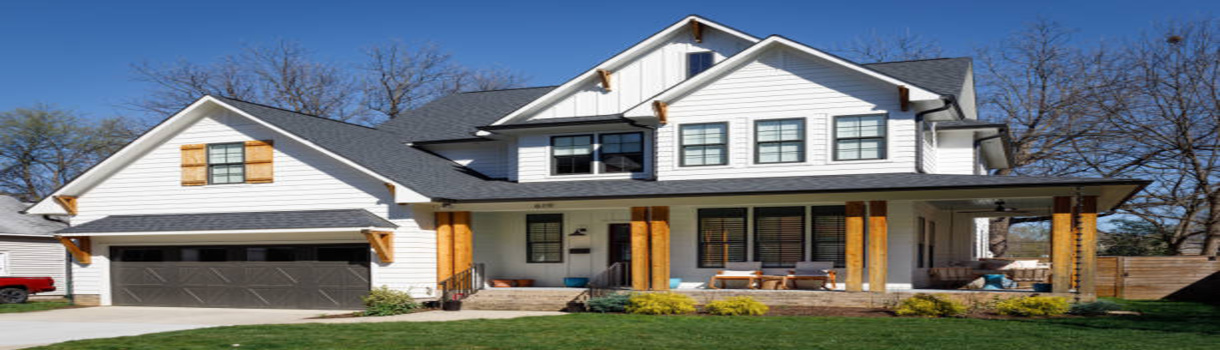
The housing market offers variety, from historic homes in town centers to newer subdivisions to waterfront properties to rural homes on acreage. Both single-family homes and some condominiums are available across price points, with waterfront properties commanding premium prices.
Home values vary by location, water access, and property characteristics. Properties with sound or river frontage cost significantly more than inland homes. Town properties provide convenience while rural homes offer space and privacy. New construction exists in some developing areas, particularly around Elizabeth City.
The rental market provides options but is more limited than in urban areas. Rental properties range from apartments in Elizabeth City to houses throughout the counties. Some seasonal rental activity occurs related to visitors and temporary workers.
Housing availability is generally good, with less competition than in hot markets. The slower-paced market allows buyers time to consider options and make informed decisions. Working with a local real estate professional helps buyers understand different communities and find properties that match their priorities.
The affordability makes the region attractive to first-time buyers, retirees on fixed incomes, and families seeking homeownership without stretching budgets. The lower prices also appeal to those looking for waterfront access at costs far below more populated coastal areas.
Where in Northeastern NC?
Pasquotank County
Pasquotank County serves as the population center of the Albemarle Region and is home to Elizabeth City, the largest community in the area. The county sits along the Pasquotank River where it meets the Albemarle Sound, creating extensive water access.
Elizabeth City functions as the regional hub with shopping, healthcare, dining, and services that support surrounding areas. The historic downtown waterfront district features classic buildings, local businesses, and the Elizabeth City waterfront park and harbor. The harbor welcomes cruising boaters traveling the Intracoastal Waterway, with the town known as the "Rose City" for its tradition of greeting passing boaters with roses.
The town is home to Elizabeth City State University, a historically Black university that contributes to the community with educational opportunities and cultural programming. The Coast Guard Base Elizabeth City provides significant employment and economic stability to the region.
Housing in Elizabeth City includes historic homes in established neighborhoods, suburban subdivisions, and apartments. The town provides the most urban environment in the region, though it maintains a small-town scale. Properties range from affordable starter homes to larger executive properties.
Nixonton and other smaller communities in Pasquotank County offer rural character with agricultural lands and water access. These areas appeal to those seeking space and quiet while remaining close to Elizabeth City amenities.
Waterfront properties along the Pasquotank River and sound shoreline provide boating access and water views. These properties command higher prices but remain affordable compared to waterfront in more populated areas.
Pasquotank County offers the most services and amenities in the region while maintaining affordability and small-town character. The county appeals to those wanting the most convenience available in the area, Coast Guard families, university students and faculty, and residents who prioritize access to services.
Camden County
Camden County sits directly across the Pasquotank River from Elizabeth City and is one of the smallest counties in North Carolina by population. The county is characterized by rural character, water access, and agricultural lands.
Camden serves as the county seat, though it remains a very small community. The courthouse area provides basic services, but residents typically travel to Elizabeth City for shopping, healthcare, and other needs.
The county features extensive shoreline along the Albemarle Sound and Pasquotank River, making water access a defining characteristic. Many residents choose Camden County specifically for waterfront living at prices lower than more developed areas.
Shiloh and other small communities throughout the county maintain rural character with farms, forests, and water access. The landscape is flat with a mix of agricultural lands, timber lands, and residential properties.
Housing in Camden County ranges from modest homes to waterfront properties to rural estates on larger acreage. The county offers some of the most affordable housing in the region, particularly for properties without water access. Waterfront lots and homes provide opportunities for those seeking boating access at reasonable costs.
The county has limited commercial development, with most shopping and services located in Elizabeth City just across the river. This suits residents who prefer rural, quiet living and are willing to drive for services.
Camden County appeals to those seeking affordability, waterfront access, rural lifestyle, and proximity to Elizabeth City without living in town. The county attracts retirees, outdoor enthusiasts, and families wanting space and lower costs.
Currituck County
Currituck County encompasses diverse geography from the Outer Banks barrier islands to mainland farmland and marsh. The county has experienced growth pressure due to its beaches while maintaining rural character in inland areas.
The Outer Banks portion of Currituck County includes Corolla and the northern beaches, known for wild horses, upscale beach homes, and vacation rentals. These communities are seasonal in character, with significant summer populations and quieter winters. Property values on the beach side are substantially higher than mainland areas.
Moyock sits along US Highway 158 and has experienced residential growth as the northernmost North Carolina community near the Virginia border. The area appeals to those commuting into Virginia Beach and the Hampton Roads area who want North Carolina's lower taxes and costs. Housing includes newer subdivisions and established neighborhoods at various price points.
Barco, Coinjock, and Grandy represent smaller communities along the Intracoastal Waterway and sound shore. These areas provide water access and rural character. The communities attract boaters and those seeking small-town coastal living.
Mainland Currituck remains largely rural with agricultural operations, forests, and wetlands. The county's mainland areas offer affordable housing and access to natural resources for hunting, fishing, and outdoor pursuits.
The county has excellent schools that draw families, particularly in the Moyock area. The combination of good schools and reasonable housing costs appeals to families with children.
Currituck County offers diversity from beach communities to commuter areas to rural lands. The county appeals to various buyers depending on location: beach lovers and investors on the Outer Banks, Virginia commuters in Moyock, and outdoor enthusiasts in rural areas.
Gates County
Gates County sits as the westernmost and most rural county in the region, characterized by agricultural lands, forests, and the Great Dismal Swamp. The county maintains strong rural character with limited development.
Gatesville serves as the county seat, though it remains a very small town. The courthouse area provides basic government services, but shopping and amenities require travel to Elizabeth City or other larger communities.
The Great Dismal Swamp Canal runs through Gates County, providing a historic waterway that connects to the Albemarle Sound. The canal and surrounding swamp create unique ecosystems and wilderness areas.
Agriculture dominates the economy and landscape. Farms producing crops and raising livestock characterize much of the county. Timber production also contributes to the economy.
Housing in Gates County is the most affordable in the region, with rural properties, small-town homes, and land available at low prices. The county attracts buyers seeking maximum affordability, those wanting agricultural land for farming or timber, and people who prioritize rural isolation and natural surroundings.
The county has limited commercial development and services. Residents accept this trade-off for lower costs, more land, and rural lifestyle. The county is the most removed from coastal waters, though still within reasonable distance for accessing the sound.
Gates County appeals to those seeking rural living, agricultural opportunities, affordability, and connection to nature. The county attracts individuals and families who prefer isolation over convenience and value land over amenities.

What Now?
Let us help!
Now that you've learned about what Northeastern North Carolina and the Albemarle Region have to offer across its four counties, you're probably considering which community aligns with your lifestyle and priorities. House hunting in a region centered around water, small-town character, and affordability provides unique opportunities.
PrimeStreet connects you with experienced real estate professionals who understand the Northeastern North Carolina market. Whether you're interested in downtown Elizabeth City living, waterfront properties in Camden or Currituck Counties, commuter-friendly Moyock, or rural land in Gates County, the right agent can guide you through your options.
Call us at 855-531-5347 or click on "Find an Agent" below to begin your home search. A team member will ask about your housing preferences, budget, desired areas, and timeline. Our system will then match you with a qualified agent who has the experience and local knowledge to help you find your ideal home in the Albemarle Region.
Let us help you plan your move to Northeastern North Carolina and start your next chapter in this beautiful coastal area!