
By Melanie Ortiz Reyes - Marketing Strategist - PrimeStreet.io
Move to Nashville
Where to Live in the Music City
Are you thinking about making a move to Nashville, TN? You're joining thousands of others who've discovered what makes Music City special. As the capital of Tennessee and one of the fastest-growing metros in the country, Nashville has transformed from a regional hub into a major American city while maintaining the character that makes it unique. The Nashville Metro area is home to over 2 million residents across multiple counties, making it a region that balances Southern charm with big-city opportunities.
The area has earned recognition for its booming economy, vibrant music scene, and exceptional quality of life. Residents appreciate the energy and optimism that characterizes Nashville, where creativity thrives, businesses flourish, and newcomers find themselves welcomed into a growing community. The metro area offers an appealing mix of entertainment, culture, outdoor recreation, and economic opportunity.
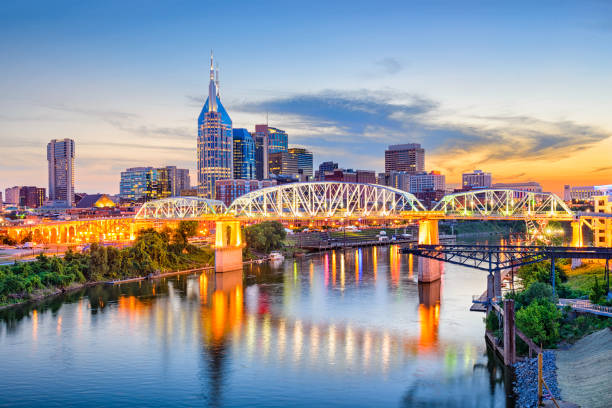
Nashville sits in Middle Tennessee, positioned at the center of the state along the Cumberland River. The city has become synonymous with country music, though its musical influence extends across genres. From live music on Broadway to exploring historic neighborhoods, the region delivers experiences that reflect both heritage and innovation.
The climate in Nashville features four distinct seasons. Winters are generally mild compared to northern states, with temperatures typically ranging from the 30s to 50s Fahrenheit. Snow falls occasionally but rarely accumulates significantly, with most winter precipitation coming as rain. Cold snaps occur but tend to be brief.
Summers are hot and humid, characteristic of the South. Temperatures regularly reach the upper 80s and low 90s Fahrenheit, with humidity making it feel warmer. Air conditioning is standard and necessary during summer months. Spring brings beautiful weather with flowers blooming throughout the city, though spring can also bring severe weather including tornadoes. Fall offers comfortable temperatures and colorful foliage, making it a favorite season for many residents.
Here are some of the reasons why Nashville has become increasingly popular among homebuyers:
Economic growth: Nashville's booming economy with diverse industries attracts professionals from across the country seeking career opportunities.
No state income tax: Tennessee does not levy a state income tax on wages, allowing residents to keep more of their earnings.
Music and entertainment: The concentration of live music venues, recording studios, and entertainment industry creates a unique cultural environment.
Quality of life: Good schools in many areas, diverse neighborhoods, and abundant activities contribute to high livability.
Growing food scene: The culinary landscape has evolved dramatically, with award-winning restaurants and diverse dining options throughout the metro.
What's Special About Nashville?
The Nashville metropolitan area is home to approximately 2 million people, making it one of the largest and fastest-growing metros in the Southeast. This region has experienced remarkable transformation, with population growth, business expansion, and development reshaping the landscape while the city works to maintain its character.
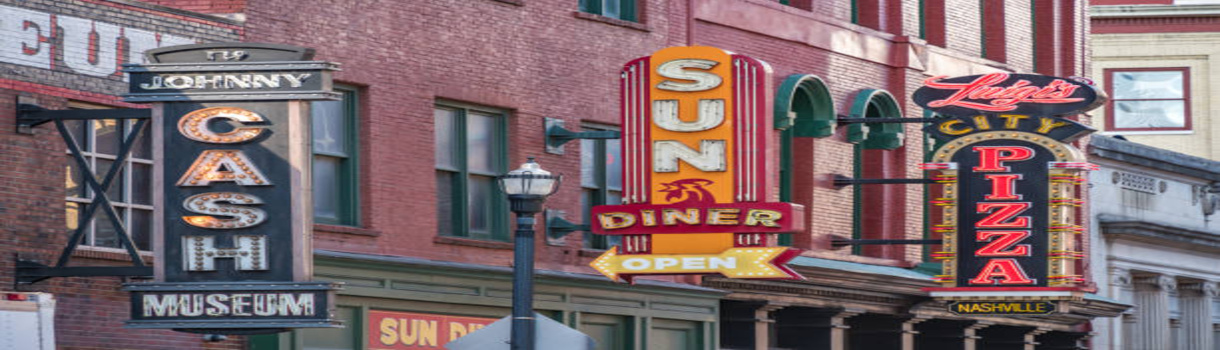
Music defines Nashville's identity. Country music heritage runs deep, with honky-tonks on Broadway, the Grand Ole Opry, and countless recording studios. However, Nashville's music scene extends far beyond country, encompassing rock, pop, Americana, blues, and more. Songwriters from around the world come to Nashville to craft hits, and live music fills venues every night of the week.
The city serves as Tennessee's capital, with the State Capitol building anchoring downtown. Government operations provide employment stability, while private sector growth has accelerated dramatically. Major corporations have relocated headquarters to Nashville, bringing thousands of jobs and contributing to the region's economic momentum.
Downtown Nashville has undergone dramatic development, with new high-rise buildings, hotels, and residential towers transforming the skyline. The riverfront along the Cumberland has been enhanced with parks and public spaces. Broadway, the famous honky-tonk strip, draws crowds day and night with live music pouring from every venue.
The food scene has evolved from traditional Southern cuisine to encompass diverse culinary concepts. Hot chicken has become a Nashville signature dish, while numerous restaurants showcase both innovative and classic approaches to food. The dining landscape continues to expand as the population grows.
Sports have become increasingly important to Nashville's identity. Professional teams across multiple sports bring excitement and community pride. The city has demonstrated strong support for its teams, contributing to a growing sports culture.
Healthcare and higher education play significant roles in the community. Major medical centers, universities, and research institutions contribute to the economy and provide services throughout the region.
Nashville provides activities and attractions that reflect its diverse character. The combination of music heritage, outdoor spaces, sports, and entertainment creates options for every interest.
Music venues range from intimate songwriter rounds to large concert halls. Broadway's honky-tonks offer free live music day and night, with multiple stages featuring talented musicians. Venues throughout the city showcase emerging and established artists across genres. Historic sites related to music legends draw visitors interested in Nashville's role in shaping American music.
Outdoor enthusiasts enjoy parks and greenways throughout the metro area. The Greenway system provides miles of paved trails for walking, running, and cycling along rivers and through parks. Radnor Lake State Park offers hiking trails and natural beauty just minutes from the urban core. Percy Warner Park and Edwin Warner Parks provide extensive trail systems with scenic overlooks.
The Cumberland River offers paddling opportunities, and several outfitters provide kayak and paddleboard rentals. Lakes within driving distance provide additional water recreation.
Golfers appreciate courses throughout the area, from public municipal layouts to championship designs. The relatively mild climate allows for extended golf seasons.
Sports fans follow multiple professional teams. The Tennessee Titans bring NFL football excitement, while Nashville SC competes in Major League Soccer. The Nashville Predators have built a passionate hockey following since joining the NHL. Minor league baseball and other sports provide additional entertainment options.
The city hosts major events throughout the year. The CMA Music Festival draws thousands of country music fans, while other festivals celebrate food, culture, and the arts. Neighborhoods host their own events that bring communities together.
Cultural attractions include museums, theaters, and historic sites. Art galleries showcase both local and national artists. The performing arts scene extends beyond music to include theater, dance, and comedy.
Getting around Nashville has become more challenging as growth has outpaced infrastructure development. The road network includes interstates I-40, I-65, and I-24, but traffic congestion has increased significantly during peak hours. Nashville International Airport serves the region with flights to destinations across the country and some international routes.
Public transit exists through WeGo Public Transit, operating bus routes throughout the city. However, most residents rely on personal vehicles for daily transportation. The city has been working to expand transit options and improve bike infrastructure, though progress has been gradual.



Economy
The Nashville metro area features one of the strongest economies in the Southeast. The unemployment rate has remained low, and wages have increased as companies compete for talent. The growth has been remarkable, with major corporations relocating operations to Nashville and startups choosing the city as their base.
Healthcare anchors the economy, with Nashville earning the nickname "Healthcare Capital." Major hospital systems, healthcare service companies, and health technology firms employ tens of thousands. The concentration of healthcare expertise has created an ecosystem that continues to attract related businesses.
Music and entertainment remain economically significant. Recording studios, music publishers, artist management companies, and related businesses create thousands of jobs. The entertainment industry contributes billions to the regional economy.
Technology has emerged as a major growth sector. Companies in software development, health tech, fintech, and other technology fields have established operations in Nashville. The city has attracted venture capital and fostered homegrown tech success stories.
Manufacturing maintains importance, with companies producing everything from automotive parts to consumer goods. The region's central location and transportation infrastructure make it attractive for manufacturing operations.
Hospitality and tourism contribute significantly, with millions of visitors annually supporting hotels, restaurants, entertainment venues, and related businesses.
The entrepreneurship scene has flourished, with resources supporting startups across industries. Co-working spaces, incubators, and networking organizations have multiplied as the startup ecosystem has matured.
The combination of economic opportunity and no state income tax has attracted professionals from higher-cost and higher-tax metros, contributing to population growth and economic dynamism.
Major industries driving the Nashville economy include:
Healthcare: Hospital systems, healthcare service companies, and health technology firms make Nashville a national healthcare center.
Music and Entertainment: Recording studios, music publishing, artist services, and entertainment venues create a unique economic sector.
Technology: Growing tech companies across software, health tech, and other sectors contribute to economic diversification.
Financial Services: Banking operations, investment firms, and financial service companies have significant presence in the region.
Hospitality and Tourism: Hotels, restaurants, entertainment venues, and related businesses support the millions of annual visitors.
Real Estate Market
The real estate market in Nashville has experienced dramatic appreciation in recent years. Home prices have increased significantly as demand has outpaced supply, making the market more competitive and less affordable than it was a decade ago. Despite the increases, prices remain lower than in some other major metros, though affordability has become a concern.
The housing market offers diversity, from historic homes in established neighborhoods to new construction in developing areas. Both single-family homes and condominiums are available, though inventory has been tight in popular areas. Downtown and urban neighborhoods have seen substantial condo and apartment development.
Home values vary significantly by location and property characteristics. Neighborhoods close to downtown and in desirable school districts command premium prices. Newer suburban developments offer various price points, though even suburban housing has appreciated substantially.
The rental market has been active, with demand strong across the metro area. Many new apartment complexes have been built, though rental rates have increased along with home prices.
Housing availability can be challenging in sought-after areas. Multiple offers and competitive bidding have been common, particularly for well-priced properties in desirable locations. Working with an experienced real estate professional is essential for navigating the competitive market.
The rapid appreciation has created challenges for first-time buyers and those moving from less expensive markets. However, the strong economy and job market continue to attract buyers despite higher prices.
Where in Nashville?
Davidson County
Davidson County and Nashville operate under a consolidated metropolitan government, making them essentially the same entity. This provides consistent urban services across the county, with diverse neighborhoods offering different lifestyles from urban core to suburban edges.
Downtown Nashville has transformed into a major residential destination with high-rise condos and luxury apartments. The area provides immediate access to Broadway's honky-tonks, the Country Music Hall of Fame, and major venues. Downtown appeals to young professionals, entertainment industry workers, and those wanting walkable urban lifestyle.
The Gulch stands as Nashville's most prestigious urban neighborhood, featuring modern high-rises, upscale restaurants, and boutique shopping. High-end condos attract executives, celebrities, and affluent professionals seeking contemporary design and premium amenities.
East Nashville has become one of the city's most vibrant neighborhoods, known for historic bungalows, creative community, and independent businesses. Five Points serves as the neighborhood's heart. The area attracts artists, musicians, young families, and those seeking authentic neighborhood character.
Germantown offers restored Victorian homes and townhouses in a walkable neighborhood close to downtown. The historic district appeals to buyers wanting historic charm with urban convenience, though prices reflect the neighborhood's desirability.
12 South features bungalows and cottages alongside popular restaurants and boutiques centered on 12th Avenue South. The neighborhood attracts young professionals and families seeking walkability and community atmosphere.
Green Hills represents upscale suburban living with the Green Hills Mall and extensive shopping. Good schools make the area popular with families, with prices trending higher than many Nashville neighborhoods.
Belle Meade stands as Nashville's most exclusive neighborhood, with estate homes on large lots. Properties command top prices and attract executives and wealthy buyers seeking prestige and privacy.
Sylvan Park offers early 20th-century homes with walkable streets. The neighborhood provides established character at more accessible prices than areas like 12 South or Germantown.
Antioch encompasses southeastern Davidson County with the county's most affordable home prices. The area attracts first-time buyers and families seeking affordability with access to Nashville employment.
Davidson County's real estate spans from luxury penthouses to affordable housing, offering neighborhoods at different price points and lifestyle options.
Williamson County
Williamson County sits south of Davidson County and ranks among Tennessee's most affluent areas. The county features excellent schools, low crime rates, and higher property values.
Franklin serves as the county seat, known for its historic downtown square and upscale character. The downtown area features preserved 19th-century buildings housing restaurants and boutiques.
Cool Springs has developed into a major commercial and residential district in Franklin, featuring shopping centers anchored by CoolSprings Galleria and extensive residential development. The area appeals to families seeking new construction, good schools, and suburban convenience.
Brentwood represents one of Nashville's most desirable suburbs, with highly rated schools and affluent residents. The city features upscale neighborhoods often on larger lots. Brentwood attracts executives, professionals, and families prioritizing education quality and safe neighborhoods.
Nolensville maintains small-town atmosphere while experiencing rapid residential development. Newer subdivisions attract families seeking new homes with good schools.
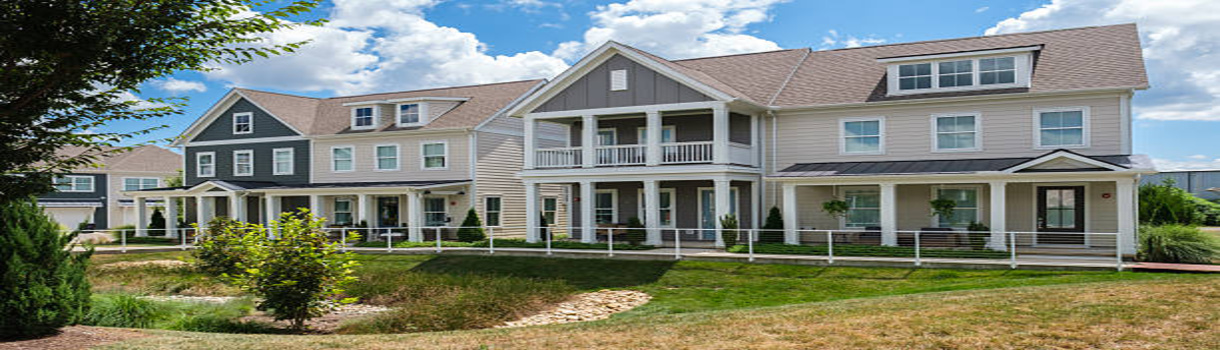
Westhaven represents a master-planned community in Franklin featuring traditional neighborhood design with front porches, sidewalks, and parks. The community appeals to families seeking planned amenities and neighborhood cohesion.
Williamson County schools consistently rank among Tennessee's best, making the county highly attractive to families with children. The county appeals to families prioritizing education, professionals seeking upscale suburban living, and buyers willing to pay premium prices for excellent schools and low crime. Commutes to Nashville typically range from 20 to 40 minutes.
Rutherford County
Rutherford County sits southeast of Davidson County and has experienced explosive growth as Nashville's metro area expanded. Murfreesboro, the county seat and Tennessee's sixth-largest city, anchors the area.
Murfreesboro is home to Middle Tennessee State University, bringing student population and college town atmosphere. The city features a revitalized downtown square with local businesses and restaurants. Housing includes student-oriented apartments, family neighborhoods, and newer subdivisions at prices generally lower than Davidson and Williamson Counties.
Smyrna sits in the western portion of Rutherford County closer to Nashville. The town has grown substantially with residential developments and commercial growth. Smyrna appeals to commuters seeking newer homes at lower prices than closer-in suburbs.
La Vergne offers affordable housing options in northwest Rutherford County. The city features a mix of established neighborhoods and newer developments, attracting first-time buyers and families seeking value.
Rutherford County offers significantly more affordable housing than Davidson and Williamson Counties while maintaining reasonable commutes. The county attracts families seeking value, students attending MTSU, first-time buyers, and those willing to commute to Nashville for work. Drives to Nashville typically take 30 to 45 minutes depending on location and traffic.
Schools serve local communities through county and city systems. The county balances affordability with access to Nashville amenities and employment centers.
Wilson County
Wilson County sits east of Davidson County and offers a mix of suburban growth and rural character. Lebanon, the county seat, anchors the western portion while Mt. Juliet has emerged as a major suburb.
Mt. Juliet has experienced tremendous growth as Nashville expanded eastward. The city features extensive new residential developments, shopping centers, and restaurants along Providence Marketplace and surrounding areas. Neighborhoods offer modern homes with amenities at prices below Williamson County. Mt. Juliet attracts families seeking new construction, good schools, and suburban lifestyle with reasonable Nashville commutes of 20 to 30 minutes.
Lebanon provides small-town character with a historic downtown square and more affordable housing than Mt. Juliet. The city offers a mix of historic homes, established neighborhoods, and newer developments. Lebanon appeals to those seeking lower costs and small-town atmosphere while remaining within commuting distance of Nashville.
Watertown sits in the eastern portion of the county and maintains rural character. The area offers properties with acreage and agricultural land at the county's most affordable prices.
Wilson County schools serve communities through the county system, with ratings varying by specific schools. The county appeals to families seeking newer homes at reasonable prices, commuters willing to drive for affordability, and those wanting a balance between suburban amenities and small-town character.
Sumner County
Sumner County sits north of Davidson County across the Cumberland River and has grown substantially as Nashville expanded northward. The county offers suburban communities and rural areas at various price points.
Hendersonville represents the county's largest city and sits on Old Hickory Lake. The city features a mix of lakefront properties, established neighborhoods, and commercial development along major corridors. Hendersonville appeals to families seeking suburban living, lake access, and good schools. Commutes to Nashville typically take 25 to 35 minutes.
Gallatin serves as the county seat and offers historic downtown character alongside suburban growth. The city features more affordable housing than Hendersonville while providing shopping, dining, and employment opportunities. Gallatin attracts first-time buyers, families seeking value, and retirees wanting lower costs.
Goodlettsville straddles Davidson and Sumner Counties with the Sumner County portion offering lower taxes. The city features established neighborhoods and commercial corridors. Goodlettsville appeals to commuters seeking affordability close to Nashville.
White House sits in the northern portion of Sumner County and maintains small-town character while experiencing residential growth. The city offers newer subdivisions at affordable prices, attracting families willing to commute 35 to 45 minutes to Nashville for lower housing costs.
Old Hickory Lake provides recreation opportunities throughout Sumner County, with fishing, boating, and waterfront properties appealing to those prioritizing water access.
Sumner County schools serve communities through county and city systems. The county attracts families seeking affordability with reasonable commutes, lake enthusiasts, retirees wanting lower costs, and first-time buyers. Housing prices remain below Davidson and Williamson Counties while offering suburban amenities.
Cheatham County
Cheatham County sits west and northwest of Davidson County and maintains rural character with growing suburban pockets. The county offers the most affordable housing in Nashville's immediate metro area.
Ashland City serves as the county seat and provides small-town atmosphere with basic services. The town features a modest downtown area and affordable housing options. Ashland City appeals to buyers seeking maximum affordability and rural lifestyle.
Pleasant View sits in the eastern portion of the county closer to Nashville. The area has seen residential development with newer subdivisions offering homes at prices significantly below other metro counties. Pleasant View attracts first-time buyers and families willing to commute 35 to 45 minutes for affordability.
The county is characterized by farms, forests, and rural landscapes. Cheatham Lake and the Cumberland River provide water recreation opportunities. Properties with acreage are available at accessible prices compared to other metro counties.
Cheatham County appeals to buyers seeking rural lifestyle, maximum affordability, land for farming or recreation, and those prioritizing space and low costs over convenience and urban amenities. The county attracts first-time buyers, retirees on fixed incomes, and those wanting country living within reach of Nashville employment.
Schools serve communities through the county system. The county requires commitment to commuting for those working in Nashville but provides substantial cost savings and rural character.

What Now?
Let us help!
Now that you've learned about what the Nashville metro area has to offer, you're probably considering which community fits your lifestyle and budget. House hunting in one of the fastest-growing metros in the country can feel overwhelming, especially given the competitive market conditions and diverse neighborhood options.
PrimeStreet connects you with experienced real estate professionals who understand the Nashville market. Whether you're interested in trendy urban neighborhoods like East Nashville or The Gulch, established areas like Green Hills or Belle Meade, suburban communities in surrounding counties, or more affordable options on the periphery, the right agent can guide you through your options.
Call us at 855-531-5347 or click on "Find an Agent" below to begin your home search. A team member will ask about your housing preferences, budget, desired areas, and timeline. Our system will then match you with a qualified agent who has the experience and local knowledge to help you navigate the competitive Nashville market and find your ideal home.
Let us help you plan your move to Nashville and start your next chapter in Music City!