
By Melanie Ortiz Reyes - Marketing Strategist - PrimeStreet.io
Move to Memphis
Where to Live in the Memphis Metro Area
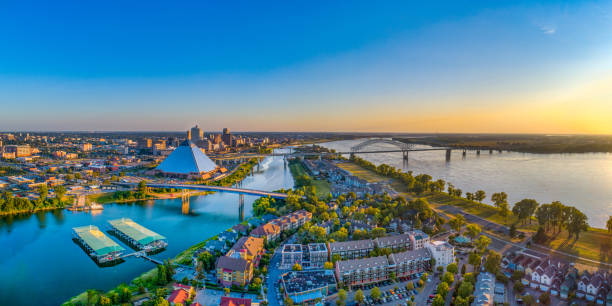
Are you thinking about making a move to Memphis, TN? You're considering a city with soul, history, and character that runs deep. As the largest city in Tennessee, Memphis sits along the mighty Mississippi River and has shaped American culture through music, civil rights history, and Southern tradition. The Memphis Metro area is home to over 1.3 million residents across Tennessee, Arkansas, and Mississippi, making it a region that balances big-city energy with Southern hospitality.
The area has earned recognition for its cultural significance, affordability, and unique character. Residents appreciate the genuine warmth that characterizes Memphis, where music fills the air, barbecue is serious business, and history lives in every neighborhood. The metro area offers a compelling mix of urban attractions, suburban comfort, and economic opportunity.
Memphis sits at a strategic location where Tennessee, Arkansas, and Mississippi meet, creating a regional hub for commerce, transportation, and culture. The city has played a pivotal role in American music history as the birthplace of blues, soul, and rock and roll. From walking down Beale Street to exploring civil rights landmarks, the region delivers experiences found nowhere else.
The climate in Memphis features four seasons with a distinctly Southern flavor. Winters are generally mild, with temperatures typically ranging from the 30s to 50s Fahrenheit. Snow is possible but usually light and infrequent, with most winter precipitation falling as rain. Cold snaps occur occasionally but rarely last long.
Summers are hot and humid, characteristic of the Deep South. Temperatures regularly reach the low to mid-90s Fahrenheit, with heat indexes often climbing higher due to humidity. Air conditioning is essential during summer months. Spring brings beautiful weather along with occasional thunderstorms and the possibility of severe weather. Fall offers comfortable temperatures and is considered by many residents to be the best time of year.
Here are some of the reasons why Memphis has become increasingly popular among homebuyers:
Affordability: Memphis offers some of the most reasonable housing costs among major metros in the country, making homeownership accessible to buyers across income levels.
No state income tax: Tennessee does not levy a state income tax on wages, allowing residents to keep more of their earnings.
Cultural richness: The deep musical heritage, historic sites, and cultural attractions create a unique living environment found nowhere else.
Central location: Memphis sits at the crossroads of major interstate highways and serves as a logistics hub, providing economic stability and convenient travel access.
Growing economy: Major employers across healthcare, logistics, manufacturing, and other sectors provide diverse job opportunities.
What's Special?
The Memphis metropolitan area is home to approximately 1.3 million people, making it one of the largest metros in the Southeast. This region has influenced American culture far beyond its size, particularly through music that originated here and spread worldwide.
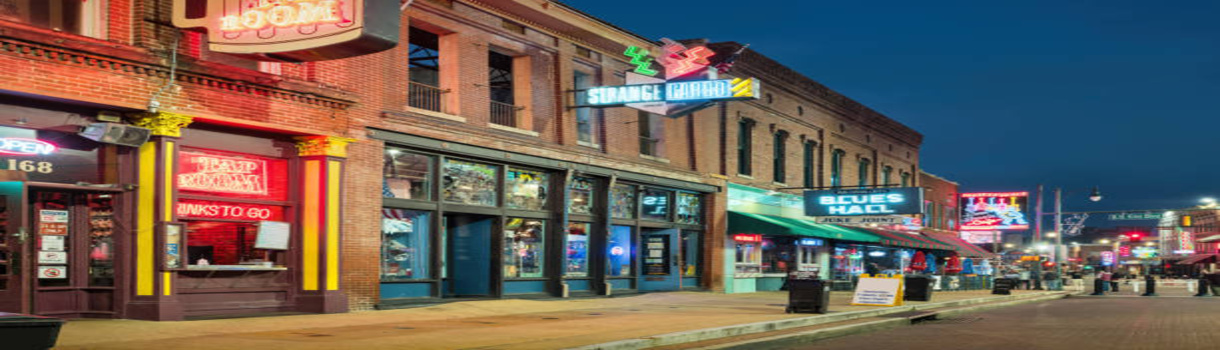
Memphis is inseparable from music history. Beale Street gave birth to the blues, while Sun Studio recorded Elvis Presley, Johnny Cash, and other legends who defined rock and roll. Stax Records created the Memphis soul sound that changed music forever. The musical legacy lives on with venues, museums, and a continuing tradition of live music throughout the city.
The civil rights movement has deep roots in Memphis. The city preserves and interprets this important history through museums and historic sites that help tell these essential American stories. These landmarks draw visitors from around the world and provide educational opportunities for residents.
Downtown Memphis has experienced significant revitalization, with historic buildings transformed into modern spaces. The riverfront along the Mississippi provides parks, walking paths, and spaces to watch massive barges and boats navigate the river. The city skyline creates a distinctive urban landscape.
Barbecue defines Memphis cuisine, with the city claiming one of the great barbecue traditions in America. Slow-smoked pork, distinctive dry rub, and generations-old techniques create flavors that locals debate with passion. Beyond barbecue, the food scene includes everything from soul food to contemporary dining concepts.
The Mississippi River provides not just scenic beauty but practical importance. Memphis serves as a major river port, and the logistics industry drives much of the regional economy. The river also offers recreational opportunities and creates unique urban views.
Things To Do In Memphis
Memphis provides activities and attractions that reflect its character and history. The combination of cultural institutions, outdoor spaces, and entertainment options creates diverse experiences year-round.
Music lovers find themselves immersed in history and live performances. Beale Street comes alive with blues clubs and music venues. Historic sites related to music legends draw visitors interested in where American music transformed. Live music venues throughout the city showcase both established and emerging artists across genres.
Outdoor enthusiasts enjoy parks and greenways throughout the metro area. The Mississippi River greenbelt provides walking and cycling paths with river views. Shelby Farms Park spans over 4,500 acres, making it one of the largest urban parks in the country. The park offers trails, lakes, paddling, horseback riding, mountain biking, and various recreational facilities.
The Wolf River winds through the region, offering paddling opportunities and natural beauty. Numerous parks throughout the metro area provide neighborhood recreation spaces, playgrounds, and sports facilities.
Golfers appreciate courses throughout the area, from public municipal layouts to private country clubs. The relatively mild climate extends the golf season considerably.
Sports fans follow the Memphis Grizzlies of the NBA, bringing professional basketball excitement to the city. Minor league baseball and other sports provide additional entertainment options. College sports also draw passionate support, particularly Memphis Tigers athletics.
The city hosts festivals and events throughout the year. Memphis in May celebrates the city's heritage with barbecue competitions, music festivals, and cultural celebrations. Various neighborhoods host their own festivals and events that bring communities together.
Families enjoy attractions and activities designed for all ages. The Memphis Zoo, located in Overton Park, features animals from around the world. Various museums, entertainment venues, and educational institutions provide diverse options.
Getting around Memphis is straightforward, with a road network that includes major interstates. I-40 runs east-west through the city, while I-55 and I-240 provide additional access. Memphis International Airport serves as a major hub, particularly for cargo operations, while also providing passenger service to destinations across the country.
Public transit exists through the Memphis Area Transit Authority, operating bus routes throughout the city. However, most residents rely on personal vehicles for daily transportation. The city has been working to expand bike infrastructure, with some dedicated lanes and paths in urban areas.



Economy
The Memphis metro area features an economy built around several key strengths. The unemployment rate has remained competitive, and wages support a comfortable lifestyle given the area's affordable cost of living and absence of state income tax on wages.
Memphis serves as a global logistics hub, earning the nickname "America's Distribution Center." The city's location at the intersection of major highways, rail lines, and the Mississippi River, combined with Memphis International Airport being a global cargo hub, makes it ideal for distribution operations. FedEx's global headquarters and superhub anchor the logistics sector, employing tens of thousands directly and indirectly.
Healthcare represents another major economic pillar. Multiple large health systems operate throughout the region, providing employment for thousands and comprehensive medical services. Medical research and specialized care facilities contribute to the sector's strength.
Manufacturing maintains importance in the economy, with companies producing automotive parts, medical supplies, and various other products. The region has attracted manufacturing operations due to its transportation advantages and business-friendly environment.
The entrepreneurship scene has grown, with resources available for startups and small businesses. Organizations support new ventures, and the business environment encourages innovation across sectors.
Thousands of small businesses operate throughout the metro area, from retail shops to professional services. Local ownership remains strong in many neighborhoods and commercial corridors.
The combination of affordable operations and no state income tax makes Memphis attractive to both companies and workers. Businesses can maintain efficiency while employees keep more of their earnings.
Major industries driving the Memphis economy include:
Logistics and Transportation: The concentration of distribution centers, freight operations, and related services makes this sector dominant in the regional economy.
Healthcare: Major health systems provide employment and comprehensive medical services, with research institutions contributing to medical advances.
Manufacturing: Production facilities across automotive, medical, and other sectors provide stable employment opportunities.
Professional Services: Financial services, legal firms, consulting companies, and other professional operations serve the region and beyond.
Hospitality and Tourism: The city's cultural attractions draw millions of visitors annually, supporting hotels, restaurants, and entertainment venues.
Real Estate Market
The real estate market in Memphis offers exceptional value compared to many other major metros. Home prices remain affordable, making the region attractive to buyers from higher-cost areas as well as first-time homebuyers.
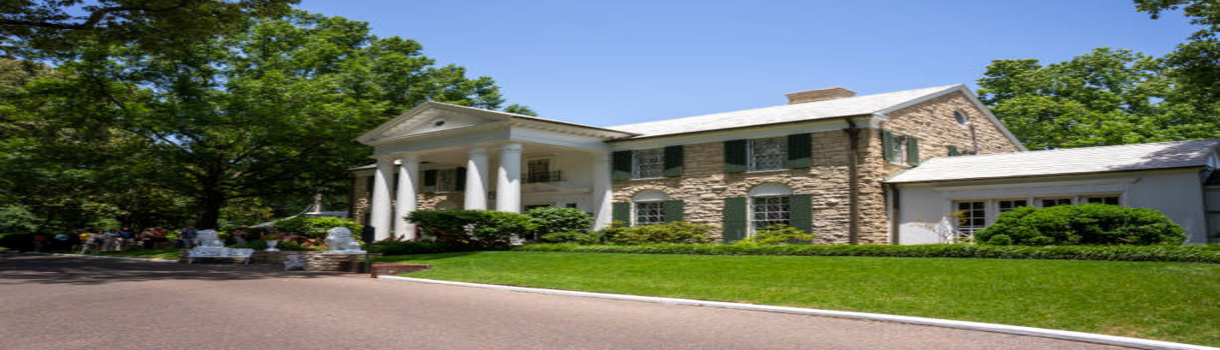
The housing market provides diversity, from historic homes in established neighborhoods to new construction in developing suburbs. Both single-family homes and condominiums are available across various price points. Downtown lofts and urban living options have expanded as revitalization continues.
Home values vary by location and property characteristics. The median home price in the metro area tends to be significantly lower than national averages for comparable cities, though certain neighborhoods and premium properties command higher prices.
The rental market offers options ranging from downtown apartments to suburban houses. Many neighborhoods provide both ownership and rental opportunities, giving residents flexibility as they explore different areas.
Housing availability is generally good, with various options across price points. The market has seen appreciation in recent years but remains more affordable than most comparable metros. Working with a knowledgeable real estate professional helps buyers understand neighborhood characteristics and find properties that match their needs.
Where in Memphis?
Shelby County
Shelby County and Memphis share government services in the urban core, though some municipalities within the county maintain independent operations. The county encompasses the entire Memphis metro area's urban center, with neighborhoods ranging from historic districts to modern developments.
Downtown Memphis has experienced revitalization with converted lofts, new apartments, and mixed-use developments. The area provides access to Beale Street, FedExForum, AutoZone Park, and the riverfront. Downtown appeals to young professionals, entertainment workers, and those seeking urban walkability.
The Pinch District sits north of downtown and features industrial conversions, artist lofts, and newer residential developments. The historic warehouse district attracts creative professionals and those wanting authentic urban character at more accessible prices than some downtown areas.
South Main Arts District runs south from downtown along Main Street, known for galleries, restaurants, and historic buildings converted to residential use. The monthly trolley tour brings crowds to the area's arts scene. South Main appeals to artists, young professionals, and those seeking walkable urban living with cultural atmosphere.
Cooper-Young represents one of Memphis's most vibrant neighborhoods, centered on the intersection of Cooper Street and Young Avenue. The area features bungalows, local restaurants, coffee shops, and independent businesses. Cooper-Young attracts young professionals, artists, and families seeking neighborhood character and community engagement.
Midtown encompasses areas along Poplar Avenue and surrounding streets between downtown and East Memphis. The neighborhood includes historic homes, apartments, Overton Park, and the Memphis Zoo. Midtown appeals to diverse residents seeking established neighborhoods with urban amenities and cultural attractions.
East Memphis represents affluent suburban living within the city limits, featuring shopping centers, office parks, and residential neighborhoods. The area includes a mix of mid-century homes and newer construction. East Memphis attracts families and professionals seeking good schools, shopping access, and established neighborhoods.
Germantown operates as an independent municipality within Shelby County and ranks among the area's most desirable suburbs. The city features excellent schools, low crime rates, and affluent neighborhoods with large homes on spacious lots. Germantown attracts families prioritizing education quality and safety, though property values reflect the area's desirability.
Collierville sits in eastern Shelby County as an independent municipality known for its historic town square and family-friendly character. The town features good schools, planned communities, and a mix of historic homes and new construction. Collierville appeals to families seeking suburban lifestyle with small-town atmosphere and highly rated schools.
Bartlett operates as an independent city in northeast Shelby County, offering suburban neighborhoods at various price points. The city features shopping centers, parks, and residential developments. Bartlett attracts middle-class families seeking affordable suburban living with good schools.
Cordova sits in eastern Shelby County between Memphis and the county line. The area features extensive residential development, shopping centers, and suburban amenities. Cordova offers newer homes at moderate prices, appealing to families and first-time buyers seeking value.
Hickory Hill encompasses neighborhoods in southeast Memphis with the metro's most affordable housing options within Shelby County. The area features diverse communities and various housing types. Hickory Hill attracts first-time buyers and families seeking affordability with access to Memphis employment.
Shelby County's real estate market spans from downtown lofts to exclusive suburban municipalities to affordable neighborhoods, offering options at different price points across the metro area.
DeSoto County
DeSoto County sits directly south of Memphis across the Mississippi state line and has become an integral part of the Memphis metro. The county has experienced explosive growth as families and businesses have relocated from Tennessee, attracted by Mississippi's lower cost of living and property taxes.
Southaven represents Mississippi's third-largest city and anchors DeSoto County's commercial development. The city features extensive shopping including Tanger Outlets, restaurants, entertainment venues, and residential neighborhoods. Southaven offers newer subdivisions with modern amenities at prices below comparable Memphis suburbs. The city attracts families seeking new construction, good schools, and value.
Olive Branch sits southeast of Southaven and has grown rapidly with residential development. The city features planned communities, good schools, and family-oriented atmosphere. Olive Branch appeals to families seeking newer homes, safe neighborhoods, and lower taxes than Tennessee.
Horn Lake borders Memphis and provides the closest Mississippi option to the city center. The area offers affordable housing, shopping centers, and convenient access to Memphis employment. Horn Lake attracts first-time buyers and commuters seeking maximum affordability.
Hernando serves as the DeSoto County seat and maintains more small-town character than the northern cities. The historic downtown square features local businesses, while surrounding areas have seen residential growth. Hernando offers a mix of housing types at various price points, appealing to those seeking small-town atmosphere with metro access.
DeSoto County benefits from Mississippi's lower property taxes and cost of living compared to Tennessee. Sales tax rates are comparable, but overall housing costs trend lower. The county's schools have improved significantly and now compete with Shelby County options in quality ratings.
The county appeals to families seeking affordability and newer construction, retirees wanting lower costs, those prioritizing tax savings, and commuters willing to cross state lines for value. Commutes to Memphis typically range from 15 to 35 minutes depending on specific location.
The rapid growth has brought increased traffic on I-55 and Goodman Road corridors, though infrastructure improvements continue. DeSoto County represents the Memphis metro's most affordable option for newer suburban housing.
Fayette County
Fayette County sits east of Shelby County and maintains rural character with agricultural heritage and small towns. The county offers significantly more affordable housing than Shelby County while remaining within commuting distance of Memphis.
Somerville serves as the county seat and features a historic courthouse square with local businesses. The town maintains small-town atmosphere with affordable housing options ranging from historic homes to modest residential properties. Somerville appeals to those seeking country living with community character.
Oakland sits in western Fayette County closer to Memphis and has experienced growth as development has pushed eastward. The town features newer subdivisions alongside established neighborhoods. Oakland attracts families seeking newer construction at lower prices than Shelby County suburbs, with commutes to Memphis ranging from 30 to 40 minutes.
Williston represents a small community that has seen residential development as growth spreads from Shelby County. The area offers properties with acreage and suburban-style homes at affordable prices.
The county is characterized by farms, open land, and rural landscapes. Agriculture remains economically and culturally important. Properties with acreage are available at prices far below Shelby County, appealing to those seeking land for farming, horses, or recreation.
Fayette County appeals to buyers seeking rural lifestyle, maximum affordability, land and space, and those prioritizing low costs over convenience. The county attracts first-time buyers, families seeking value, retirees on fixed incomes, and those wanting country living within reach of Memphis employment.
Schools serve communities through the county system. The county requires commitment to commuting for those working in Memphis but provides substantial cost savings and rural character.
Tipton County
Tipton County sits north of Shelby County and balances rural character with suburban growth areas. The county offers affordable housing while maintaining connections to Memphis employment centers.
Covington serves as the county seat and features a historic downtown square with local businesses and community atmosphere. The city offers a mix of historic homes, established neighborhoods, and newer developments at affordable prices. Covington appeals to those seeking small-town living with lower costs than metro suburbs.
Munford sits in southern Tipton County closer to Memphis and has experienced residential growth. The town features newer subdivisions and family-oriented neighborhoods. Munford attracts families seeking new construction at reasonable prices with commutes to Memphis around 35 to 45 minutes.
Atoka represents a growing community in southern Tipton County along Highway 51. The area has seen residential development with subdivisions offering newer homes at competitive prices. Atoka appeals to commuters seeking affordability and newer construction.
Brighton sits in western Tipton County and maintains small-town character while seeing some residential growth. The town offers affordable housing and rural atmosphere.
The county features agricultural lands, small towns, and growing suburban pockets. Properties with acreage remain available at accessible prices compared to Shelby County.
Tipton County appeals to families seeking affordability, first-time buyers, those wanting newer homes at lower costs, and commuters willing to drive for value. The county balances small-town character with reasonable access to Memphis amenities and employment.
Schools serve communities through the county system. The county offers substantial savings compared to Shelby County while maintaining connectivity to the metro area.
Marshall County
Marshall County sits southeast of Memphis in Mississippi and maintains rural character with small towns and agricultural lands. The county offers some of the metro area's most affordable housing options.
Holly Springs serves as the county seat and features historic antebellum homes, a courthouse square, and cultural attractions. The town is home to Rust College and maintains strong historic preservation. Housing costs are quite affordable, with historic homes and modest residential properties available at low prices. Holly Springs appeals to history enthusiasts, those seeking small-town character, and buyers prioritizing maximum affordability.
Byhalia sits in the northern portion of Marshall County closer to Memphis. The town offers basic services and affordable housing options. Byhalia attracts those seeking low costs and rural atmosphere within commuting distance.
Potts Camp and other small communities throughout the county provide rural living options with properties often including acreage. The area appeals to those seeking land for farming, recreation, or simply space and privacy.
The county is characterized by farms, forests, and rural landscapes. Agriculture and timber contribute to the economy. The area offers properties with acreage at the metro's most affordable prices.
Marshall County sits further from Memphis than other metro counties, with drives typically taking 40 to 55 minutes depending on destination and traffic. This distance provides maximum affordability while requiring commitment to commuting for those working in Memphis.
The county appeals to buyers seeking rural lifestyle, agricultural opportunities, historic properties, maximum affordability, and those prioritizing space and low costs over convenience. Marshall County attracts retirees on fixed incomes, those seeking land, and buyers willing to commute for substantial savings.
Schools serve communities through the county system. The county represents the metro's most rural and affordable option.

What Now?
Let us help!
Now that you've learned about what the Memphis metro area has to offer, you're probably considering which community fits your lifestyle and priorities. House hunting in a region with this much diversity, from urban neighborhoods to suburban towns across three states, can feel overwhelming without local expertise.
PrimeStreet connects you with experienced real estate professionals who understand the Memphis market. Whether you're interested in historic Midtown homes, suburban living in Germantown or Collierville, downtown urban lifestyle, or communities in the surrounding area, the right agent can guide you through your options.
Call us at 855-531-5347 or click on "Find an Agent" below to begin your home search. A team member will ask about your housing preferences, budget, desired areas, and timeline. Our system will then match you with a qualified agent who has the experience and local knowledge to help you find your ideal home in the Memphis area.
Let us help you plan your move to Memphis and start your next chapter in this soulful Southern city!