
By Melanie Ortiz Reyes - Marketing Strategist - PrimeStreet.io
Move to Little Rock
Where To Live In Central Arkansas
Are you thinking about making a move to Little Rock, AR? You're not alone in considering this Southern gem. As the capital and largest city in Arkansas, Little Rock anchors a thriving metropolitan area that combines Southern hospitality with modern amenities. The Little Rock-North Little Rock-Conway Metro spans four counties and is home to over 740,000 residents, creating a region that balances urban convenience with the warmth and accessibility that characterizes the best of Arkansas living.
The area has earned recognition for its affordability, growing economy, and quality of life. Residents appreciate the genuine friendliness that defines Central Arkansas, where community connections run deep and newcomers are welcomed with open arms. The metro area offers an appealing mix of cultural attractions, outdoor recreation, and economic opportunities.
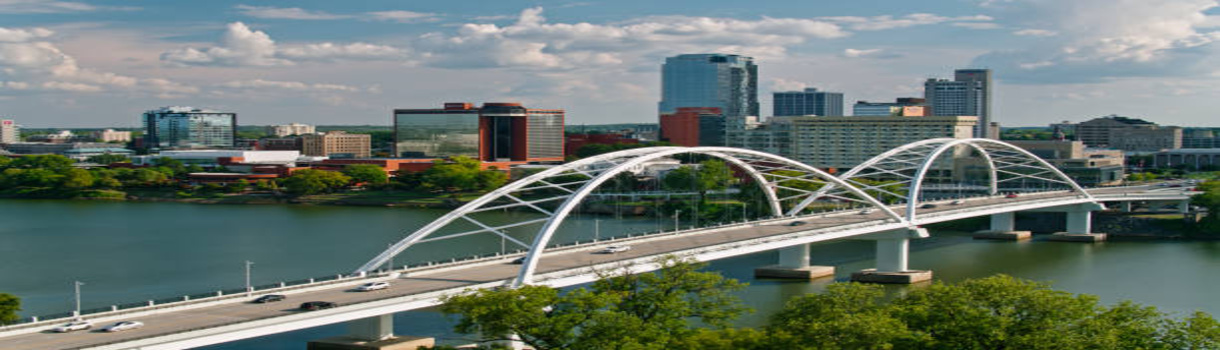
Little Rock sits along the Arkansas River, which provides both scenic beauty and recreational opportunities throughout the metro area. The city has a rich history, having played a significant role in the Civil Rights Movement, with landmarks and museums preserving these important stories. From exploring the River Market District to hiking the trails at Pinnacle Mountain State Park, the region offers diverse experiences.
The climate in Little Rock features four seasons with a Southern flavor. Winters are generally mild compared to northern states, with temperatures typically ranging from the 30s to 50s Fahrenheit. Snow is possible but usually light and infrequent, making winter weather manageable for most residents. When cold snaps do occur, they tend to be brief.
Summers are hot and humid, as expected in the South. Temperatures regularly reach the upper 80s and 90s Fahrenheit, with occasional stretches above 100 degrees. The humidity can make summer days feel even warmer, but air conditioning is standard in homes and businesses throughout the region. Spring and fall bring pleasant weather, with spring featuring beautiful blooms and occasional thunderstorms, while fall offers comfortable temperatures and changing foliage.
Here are some of the reasons why Little Rock has become increasingly popular among homebuyers:
Affordability: The Little Rock metro area offers some of the most reasonable housing costs among mid-sized metros in the country, making homeownership accessible to a wide range of buyers.
Cost of living: Beyond housing, the overall cost of living remains below the national average, allowing residents to stretch their dollars further on everything from groceries to entertainment.
Growing job market: The diverse economy provides opportunities across healthcare, government, technology, and other sectors, with major employers anchoring the regional economy.
Central location: Arkansas's position in the middle of the country makes travel convenient, with reasonable drive times to major cities like Memphis, Dallas, and Nashville.
Outdoor recreation: The natural beauty of Arkansas surrounds the metro area, with state parks, lakes, rivers, and the Ouachita Mountains providing endless outdoor activities.

What's Special About Little Rock?
The Little Rock metropolitan area is home to approximately 740,000 people, making it the largest metro area in Arkansas. This region serves as the state's economic, cultural, and governmental center while maintaining an approachable, livable character.
Little Rock has played an important role in American history, particularly during the Civil Rights era. The area preserves this history through museums, historic sites, and educational institutions that help tell these significant stories. The city also serves as the state capital, with the Arkansas State Capitol building being an architectural landmark.
The River Market District has become a hub of activity in downtown Little Rock, featuring a farmers market, entertainment venues, and dining options. The Arkansas River Trail, a multi-use path system that spans over 80 miles, connects communities throughout the metro area and provides scenic routes for walking, running, and cycling.
Cultural attractions throughout the region include performing arts venues, museums, and galleries. The area has developed a growing arts scene, with local artists and performers contributing to the cultural landscape. Music has deep roots here, with venues hosting everything from classical performances to contemporary concerts.
The food scene reflects both traditional Southern cuisine and evolving culinary trends. From classic barbecue to innovative dining concepts, the region offers diverse options. The agricultural heritage of Arkansas means fresh, locally sourced ingredients are readily available.
Natural beauty surrounds the metro area. Pinnacle Mountain State Park provides hiking trails and stunning views just minutes from the urban core. The Arkansas River offers opportunities for kayaking, fishing, and riverside recreation. Lakes within easy driving distance provide additional water-based activities.
Things To Do In Little Rock
The Little Rock metro area provides activities and attractions for every interest throughout the year. Whether you prefer outdoor adventures, cultural experiences, or family-friendly entertainment, the region delivers options.
Nature enthusiasts will find numerous parks, trails, and natural areas to explore. Pinnacle Mountain State Park offers challenging hikes with rewarding summit views. The Arkansas River Trail system provides miles of paved paths for walking, running, and cycling along scenic waterways. Fishing is popular in the Arkansas River and surrounding lakes, with access points throughout the region.
The area features several lakes within a short drive, including Lake Maumelle and Lake Conway, where residents enjoy boating, swimming, and lakeside recreation. State parks throughout the region offer camping, hiking, and opportunities to experience Arkansas's natural landscapes.
Golfers appreciate the variety of courses available, from public municipal layouts to championship designs. The region's mild winters mean golf can be enjoyed nearly year-round.
History buffs can explore numerous sites related to the state's past. Museums throughout the area cover topics from natural history to cultural heritage. Architecture enthusiasts will notice historic buildings alongside modern developments, particularly in downtown areas.
The region hosts festivals and events throughout the year celebrating everything from food and music to cultural traditions. These gatherings bring communities together and showcase the area's character.
Indoor attractions provide entertainment during hot summer days or rainy weather. Various venues offer family-friendly activities, while others cater to specific interests and hobbies.
Getting around the Little Rock metro area is straightforward, with a well-developed road network. Interstate highways including I-30, I-40, and I-430 connect the region and provide access to destinations beyond. Bill and Hillary Clinton National Airport serves the area with flights to major domestic hubs and some direct routes to popular destinations.
Public transit exists but is more limited than in larger metros. Most residents rely on personal vehicles for daily transportation. The region has been working to improve bike infrastructure, with trails and some bike lanes making cycling more feasible for recreation and commuting.



Economy
The Little Rock metro area features a diverse economy with opportunities across multiple sectors. The unemployment rate has remained competitive with national averages, and wages support a comfortable lifestyle given the area's affordable cost of living.
The region has seen growth in entrepreneurship and small business development. Support systems including incubators, networking organizations, and funding resources help new businesses get started. The state's business-friendly environment and reasonable operating costs attract both startups and established companies.
Economic growth has been steady, supported by major employers and emerging industries. The presence of state government provides stability, while private sector growth adds dynamism to the economy.
Thousands of small businesses operate throughout the metro area, contributing to economic vitality and community character. Local ownership remains strong in many sectors, from retail to professional services.
The cost of living advantage makes the area attractive to both employers and employees. Companies can operate efficiently while employees find their earnings go further. This balance has helped attract new residents from higher-cost areas.
Major industries driving the Little Rock economy include:
Healthcare: Major health systems employ thousands and provide comprehensive medical services. Healthcare remains one of the largest employment sectors in the region.
Government: As the state capital, government employment is significant, providing stable jobs across state agencies and related services.
Financial Services: Several major financial institutions have operations in the area, contributing to employment and the business ecosystem.
Technology: The tech sector has grown, with companies working in software development, data services, and technology consulting establishing presence in the region.
Retail and Logistics: The central location makes the area attractive for distribution and logistics operations, while retail provides employment across the metro.
Real Estate Market
The real estate market in Little Rock has remained stable and affordable compared to many other metro areas. Home prices have shown appreciation over time but have stayed well below national averages, making homeownership accessible to many buyers.
The housing market offers variety, from historic homes in established neighborhoods to new construction in developing subdivisions. Both single-family homes and condominiums are available across different price points and styles.
Home values vary by location and property characteristics. The median home price in the metro area tends to be significantly lower than in comparable markets, though prices can be higher in sought-after neighborhoods or new developments.
The rental market provides options ranging from downtown apartments to suburban houses. Many neighborhoods offer both ownership and rental opportunities, giving residents flexibility as they explore different areas.
Housing availability is generally good, though desirable properties in popular areas can attract quick interest. Working with a knowledgeable real estate professional helps buyers understand market conditions and make informed decisions.
The metro area continues to see development, with new neighborhoods and commercial projects expanding housing options and amenities.
Where in Little Rock?
Pulaski County
Pulaski County serves as the heart of the Little Rock metro area and is the most populous county in Arkansas. The county encompasses Little Rock, North Little Rock, and several other communities, creating a diverse landscape of urban, suburban, and rural areas.
Little Rock itself offers varied neighborhoods with different characters. The Heights area is known for historic homes, tree-lined streets, and a neighborhood feel close to downtown. This established area attracts buyers who appreciate older architecture and walkable streets.
Hillcrest features a mix of housing styles near commercial corridors, providing convenience and urban amenities. The area has developed a reputation for local shops, dining options, and a community-oriented atmosphere.
West Little Rock encompasses newer developments with modern homes, good schools, and shopping centers. This area has seen substantial growth and attracts families and professionals seeking suburban conveniences.
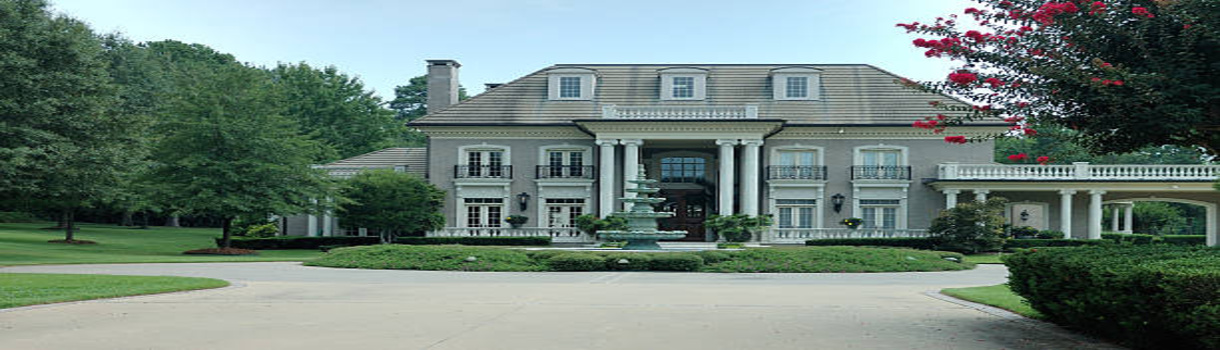
Chenal Valley represents upscale living with larger homes, golf course communities, and higher-end amenities. The area appeals to buyers seeking luxury properties and resort-style features.
North Little Rock sits across the Arkansas River and offers its own distinct identity. The city features neighborhoods at various price points, with ongoing revitalization efforts in some areas. Argenta, the downtown area of North Little Rock, has experienced renewal with arts venues, dining options, and loft-style living spaces.
Maumelle provides suburban living with proximity to Lake Maumelle and outdoor recreation. The area features planned communities and family-friendly amenities.
Jacksonville has military connections due to the nearby Little Rock Air Force Base. The area offers affordable housing and serves military families and civilian residents.
Pulaski County's real estate market encompasses the full spectrum from urban condos to suburban homes to rural properties. The county benefits from employment centers, cultural attractions, and comprehensive amenities.
Faulkner County
Located north of Pulaski County, Faulkner County has experienced significant growth in recent decades. Conway, the county seat, anchors the area and brings energy as a college town.
Conway is home to three colleges and universities, creating a vibrant atmosphere with cultural events, sports, and educational opportunities. The presence of these institutions contributes to a younger demographic and diverse community.
Downtown Conway features a historic courthouse square with local businesses, events, and community gatherings. The area maintains small-town charm while offering growing amenities as the city expands.
Newer residential developments throughout Conway provide modern housing options. The city has attracted families, retirees, and young professionals drawn by good schools, reasonable costs, and quality of life.
Greenbrier offers small-town living with lower housing costs and a tight-knit community feel. The area appeals to buyers seeking affordability and a quieter pace while remaining connected to metro amenities.
Vilonia provides rural character with growing residential areas. The community has rebuilt and strengthened following challenges from severe weather, demonstrating resilience and community bonds.
Faulkner County is known for outdoor recreation opportunities, with the Cadron Creek area providing hiking, camping, and water activities. Lake Conway, one of the largest man-made game and fish commission lakes in the country, offers excellent fishing and natural beauty.
Real estate in Faulkner County ranges from affordable starter homes to upscale properties. New construction has been active as the county's population grows. Housing costs generally remain lower than in central Pulaski County while still providing reasonable commute times to Little Rock employment centers.
Schools in Faulkner County serve growing communities, with the Conway school district being well-regarded. The county balances development with preservation of its character.
Lonoke County
Lonoke County sits east of Pulaski County, offering a more rural lifestyle while remaining part of the metro area. The county features agricultural lands, small towns, and a slower pace of life.
Cabot has grown significantly in recent years and represents the most urbanized area of the county. The city offers shopping, dining, and housing developments that have attracted families and professionals. Good schools have contributed to Cabot's popularity among homebuyers.
Jacksonville extends into Lonoke County as well as Pulaski County, with the Little Rock Air Force Base serving as a major presence. The area provides housing for military families and civilian residents.
Lonoke, the county seat, maintains a small-town atmosphere with historic downtown area and agricultural roots. Housing tends to be affordable, appealing to buyers seeking value and community character.
Ward offers rural living with land available for those wanting acreage or agricultural opportunities. The area maintains its country character while being within reach of metro employment.
Lonoke County features flat terrain typical of eastern Arkansas, with agricultural operations visible throughout the landscape. The county appeals to those seeking space, land, and a connection to rural life.
Real estate in Lonoke County tends to be affordable, with opportunities to purchase larger properties at lower price points than in more urbanized areas. The county attracts buyers looking for land, those willing to commute for housing value, and people who prefer country living.
The county maintains its agricultural economy alongside residential growth. Communities preserve their small-town identities and traditions. Schools serve tight-knit communities with local focus.
Saline County
Saline County sits southwest of Pulaski County and has become one of the fastest-growing counties in Arkansas. Benton, the county seat, anchors a region that has seen substantial residential and commercial development.
Benton has experienced significant growth, transforming from a small town to a thriving city. The area features numerous new subdivisions, shopping centers, and amenities. Good schools have made Benton particularly popular among families.
Downtown Benton maintains some historic character while the city expands in all directions. Housing options range from affordable starter homes to upscale properties in planned communities.
Bryant represents another major growth area in Saline County. The city has attracted significant residential development, with numerous neighborhoods built in recent decades. Schools are highly regarded, and the area offers suburban amenities while maintaining reasonable costs.
Shannon Hills provides a smaller community feel with proximity to both Benton and Little Rock. The area features a mix of housing styles and price points.
Bauxite and Alexander offer more affordable options and smaller-town atmospheres within Saline County. These communities appeal to buyers seeking value and quieter settings.
Saline County is known for outdoor recreation, particularly at Maumelle River, which offers fishing, kayaking, and natural scenery. The county features rolling terrain with natural beauty and outdoor access.
Real estate in Saline County has been active, with strong demand driving development. Housing prices vary but generally remain reasonable compared to national averages. New construction dominates much of the market, with subdivisions offering modern floor plans and amenities.
The county has attracted families from both within and outside the metro area, drawn by schools, newer housing, and quality of life. Commute times to Little Rock employment centers are manageable, making Saline County a practical choice for workers.
Schools in Saline County, particularly Benton and Bryant districts, are well-regarded and have contributed significantly to population growth. The county continues to develop infrastructure and amenities to serve its expanding population.

What Now?
Let us help!
Now that you've learned about what the Little Rock metro area has to offer across its four counties, you're probably considering which community fits your lifestyle and needs. House hunting in a new region can feel overwhelming, especially without local knowledge and expertise.
PrimeStreet connects you with experienced real estate professionals who understand the Little Rock market. Whether you're interested in urban living in downtown Little Rock, suburban neighborhoods in growing Conway or Benton, or rural properties in Lonoke County, the right agent can guide you through your options.
Call us at 855-531-5347 or click on "Find an Agent" below to begin your home search. A team member will ask about your housing preferences, budget, desired areas, and timeline. Our system will then match you with a qualified agent who has the experience and local knowledge to help you find your ideal home in the Little Rock area.
Let us help you plan your move to Little Rock and begin your next chapter in Central Arkansas!