
By Melanie Ortiz Reyes - Marketing Strategist - PrimeStreet.io
Move to Columbia
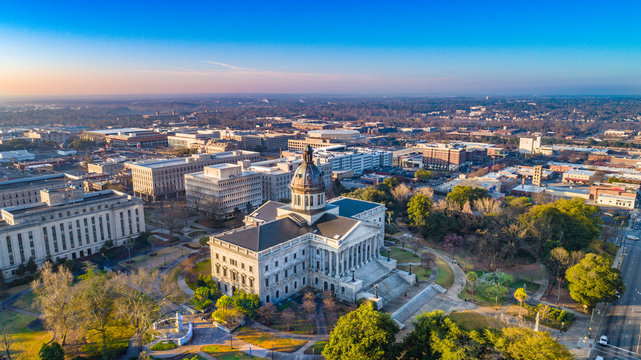
Columbia, South Carolina goes by many names. Residents call it Soda City, a nickname born from the city's abbreviation. Sports fans know it as Gamecock Country. State employees, legislators, and lobbyists call it the Capital. But for the families, professionals, military personnel, and retirees who have planted roots here, Columbia is simply home.
The Columbia metro area stretches across Richland, Lexington, and surrounding counties, housing more than 800,000 people in a landscape shaped by three converging rivers, rolling Midlands terrain, and a state government presence that has kept the local economy unusually stable through national recessions and upheavals. The city itself sits at the geographic center of South Carolina, making it the natural hub for commerce, healthcare, education, and culture across the Palmetto State.
What draws people here is not a single obvious selling point. Columbia does not have Charleston's postcard waterfront or the Blue Ridge backdrop that frames Greenville. What it offers instead is something harder to manufacture: affordability paired with genuine opportunity, a food and arts scene that punches above its weight, three rivers and a national park practically in the backyard, and a university-driven energy that keeps the city young and curious. The summers are undeniably hot, but the cost of living, quality of schools in key suburbs, and access to excellent healthcare give Columbia a compelling case as one of the Southeast's most practical and livable metros.
Columbia's median home price sits well below the national average, making homeownership accessible for households that would be priced out of coastal markets in South Carolina and beyond.

What Makes Columbia Special?
A City Built Around Education and Public Life
The University of South Carolina has occupied the heart of Columbia since 1801, and its presence shapes daily life in ways that residents may not fully notice until they leave. The university's Horseshoe, a historic oval of antebellum buildings and live oaks, anchors the campus and draws students, faculty, joggers, and tourists alike. The Darla Moore School of Business holds the country's top ranking for international business education, pulling in graduate students from every corner of the globe and connecting Columbia to a worldwide network of alumni.
Beyond USC, Columbia hosts Benedict College, Allen University, and Columbia College, creating a city where nearly 60,000 students live, study, and spend money year-round. The academic calendar animates football Saturdays, farmers markets, gallery openings, and neighborhood restaurants throughout the year. Fort Jackson, the Army's largest basic combat training installation, operates within the city limits and trains roughly 50,000 soldiers annually, adding a consistent military presence that shapes neighborhoods, housing demand, and the regional identity.
The Vista, Five Points, and Downtown's Pulse
Downtown Columbia organizes itself around two distinct social anchors. The Vista, situated between the State House and the Congaree River, is the city's main arts and entertainment district. Galleries, upscale restaurants, cocktail bars, and the South Carolina State Museum line its walkable blocks. The district draws professionals on weekday lunch hours and weekend crowds for dinner, concerts at the Township Auditorium, and strolls along the Congaree Riverwalk.
Five Points occupies a different energy entirely. Columbia's oldest commercial neighborhood sits just south of the university and functions as the city's village center, full of locally owned restaurants, coffee shops, record stores, boutiques, and bars that have served students and longtime locals for decades. Soda City Market, held every Saturday morning on Main Street, fills the street with local vendors, food trucks, live music, and produce from farms across the Midlands. It is the kind of weekly ritual that builds genuine community identity, and it draws consistent crowds through every season.
Food, Drink, and Genuine Southern Character
Columbia's restaurant scene has matured considerably over the past decade, moving well past the chain corridors that once defined suburban dining into a genuine food culture rooted in the Midlands. Restaurants like Blue Marlin, Cola's, and DiPrato's have built loyal followings with menus that lean into Southern staples handled with care. The city's barbecue culture runs deep, with whole-hog traditions and wood smoke debates that locals take seriously. Craft breweries including River Rat Brewery and Swamp Cabbage Brewing have established strong local followings, and the bar scene ranges from dive bars that have survived multiple generations of students to rooftop spots above the Congaree.
Pimento cheese, shrimp and grits, and Midlands-style barbecue appear across menus at every price point. The farmers market circuit supports chefs who source locally. The overall dining culture skews casual and welcoming, reflecting a city where dress codes are loose and hospitality runs deep. Residents discover quickly that the best meals often come from modest storefronts and neighborhood joints that have been serving the same dishes for twenty years.
Three Rivers, a National Park, and Outdoor Life
Columbia sits where the Broad, Saluda, and Congaree rivers converge, creating a city literally surrounded by moving water. The Three Rivers Greenway links miles of paved trails along all three rivers, offering cyclists, joggers, and walkers a connected network that passes through parks, under bridges, and along banks thick with herons and river otters. The Columbia Canal and Riverfront Park extends this system through the heart of downtown.
Congaree National Park lies roughly 20 miles southeast of downtown and protects the largest remaining tract of old-growth bottomland hardwood in the eastern United States. Boardwalks thread through enormous bald cypress and loblolly pine trees that feel prehistoric in their scale. Overnight canoe camping, firefly season bioluminescence tours, and early morning birding draw visitors and locals throughout the year. Access is free, parking is straightforward, and the park remains uncrowded compared to more famous national parks further afield.
Lake Murray, located just west of the city in Lexington County, provides the metro's primary destination for boating, fishing, paddleboarding, and waterfront dining. The lake spans nearly 50,000 acres and supports a full ecosystem of recreation from bass fishing to sailing to personal watercraft. Communities along its banks command premium prices, and waterfront restaurants accessible by boat make summer weekends on Lake Murray a distinctly South Carolina tradition.
Harbison State Forest, Sesquicentennial State Park, and Saluda Shoals Park offer trail systems, kayak launches, and camping options throughout the metro. The Palmetto Trail, a statewide hiking and biking corridor, passes through the Columbia area and connects to longer routes across the state.
Arts, Culture, and Campus Energy
The Columbia Museum of Art houses a permanent collection spanning Renaissance masters through contemporary American work, with rotating exhibitions that have brought nationally touring shows to a city that frequently surprises newcomers with its cultural depth. The South Carolina State Museum covers natural history, science, technology, and state heritage across four floors inside the historic Columbia Mills Building, which was the world's first electrically powered textile mill.
The Koger Center for the Arts hosts the South Carolina Philharmonic, touring Broadway productions, and visiting performers. Historic Columbia maintains and opens several antebellum properties to the public, including the Hampton-Preston Mansion, preserving architectural and social history in accessible formats. The Artista Vista gallery crawl draws hundreds of residents into studios and exhibition spaces each year, while First Thursdays on Main keep downtown galleries open and lively on warm evenings.\
Colonial Life Arena, adjacent to the USC campus, hosts Gamecock basketball, major touring concerts, and events that fill downtown with 18,000 people on busy nights. The Columbia Fireflies, the Mets' Single-A affiliate, play at Segra Park in the BullStreet redevelopment district, bringing affordable minor league baseball to families from April through September in a stadium that regularly earns recognition for its food and atmosphere.



Economy
Columbia's economic foundation rests on pillars that have proven resistant to the boom-bust cycles that destabilize more narrowly focused metros. State government employs the largest share of the workforce, anchoring public-sector jobs in administration, transportation, corrections, and regulatory agencies that persist through economic downturns. The University of South Carolina employs nearly 6,000 people directly and generates billions in economic activity through student spending, research contracts, and hospital operations.
Fort Jackson contributes over 5,000 civilian jobs and processes roughly 50,000 soldiers annually through basic combat training, with the associated housing, retail, childcare, and service industries creating steady secondary employment throughout Richland County. Together, these three anchor institutions mean Columbia rarely experiences the sharp employment swings that hit private-sector-dependent metros hard during recessions.
Healthcare's Growing Footprint
Healthcare has grown into one of the metro's most significant economic sectors. Prisma Health, formerly Palmetto Health, operates as the region's largest private employer with more than 5,000 positions in Columbia and a statewide annual revenue exceeding five billion dollars. Lexington Medical Center has earned recognition as one of the country's top-performing hospitals and serves as a major employer on the western side of the metro. MUSC Health operates facilities in Columbia, extending the Medical University of South Carolina's reach into the capital city. BlueCross BlueShield of South Carolina maintains its headquarters in Columbia, adding thousands of insurance industry positions.
The healthcare sector creates employment across clinical, administrative, technical, and research roles, drawing professionals to the metro from across the region and providing stable employment to nursing, respiratory therapy, and support staff graduates from USC and Midlands Technical College.\
Manufacturing and New Industry
Manufacturing has played a consistent role in Columbia's economy across decades. CMC Steel, Michelin, Honeywell, and Westinghouse Electric have all maintained significant facilities in the region. The most consequential recent development is the Scout Motors facility under construction in Blythewood, just north of Columbia. Volkswagen's electric off-road vehicle brand is building a 1.3 million square foot manufacturing facility that will eventually employ 4,000 workers and produce all-electric trucks and SUVs. The plant represents one of the largest manufacturing investments in South Carolina's history and will significantly alter the employment landscape of the northern metro area.
Cirba Solutions has announced a battery materials facility in the area focused on electric vehicle battery recycling, aligning with the region's emerging clean energy industrial corridor. FN America, the firearms manufacturer, maintains a significant presence with recent expansion creating additional jobs.
Technology and Professional Services
Columbia's technology sector remains smaller than Charlotte or Atlanta's but continues steady growth. Blackbaud, a software company serving the nonprofit sector, operates from the region. Several fintech and insurtech companies cluster around the established presence of BlueCross BlueShield and Colonial Supplemental Insurance. The Columbia Regional Technology Hub and various coworking spaces support a startup community that benefits from USC's computer science and business school pipelines.
Law firms, accounting practices, and financial services companies have a strong presence as a natural extension of the capital city's government and corporate activity. Nelson Mullins Riley and Scarborough operates one of its primary offices here. First Citizens Bank, one of the country's largest family-controlled banks, traces its roots to South Carolina and maintains operations in Columbia.
Cost of Living Realities
Columbia's cost of living sits roughly 10 percent below the national average, a meaningful advantage for households relocating from coastal markets, major metros, or higher-cost Southeastern cities like Charlotte. The gap is most visible in housing, where the median home price of approximately $265,000 to $270,000 as of late 2024 represents less than 70 percent of the national median. Renters find similar relief, with average one-bedroom apartment rents around $1,160 per month, nearly 30 percent below the national average.
Families relocating from Washington DC, New York, Charlotte, or even Charleston frequently find their housing budgets stretch considerably further in Columbia. A household priced out of a modest starter home in those markets may find genuine options for space, good schools, and neighborhood quality here.
South Carolina levies a state income tax with a top rate of 6.5 percent on higher earners, though the state has been reducing this rate in recent legislative sessions. Property taxes for primary residences benefit from South Carolina's four percent assessment ratio for owner-occupied homes, one of the country's most favorable structures for homeowners. Effective rates on primary residences in Richland and Lexington counties typically fall well below national averages.
Sales tax reaches 6 percent at the state level with local additions bringing most areas to 8 or 9 percent. Grocery food is exempt from state sales tax. Utility costs track near national averages, though summer electricity bills climb during the hot months when air conditioning runs continuously. Flood insurance is less commonly required than in coastal South Carolina markets, though buyers in low-lying areas near rivers and streams should research FEMA flood zone designations carefully.
Car ownership is essentially necessary for most Columbia households. Public transit routes serve limited corridors, and the suburban geography of neighborhoods like Lexington, Irmo, and Blythewood means errands require driving. Gas prices generally track near national averages. The trade-off is ample free parking across most of the metro, including downtown areas outside the immediate university and State House core.
The overall picture is of a metro that remains genuinely affordable by South Carolina standards and dramatically more accessible than the state's coastal markets. Wages generally run below national averages, particularly in service-sector roles, but the housing cost advantage creates meaningful quality-of-life benefit for households at every income level. The incoming Scout Motors jobs and continued healthcare sector growth are gradually shifting this wage picture in the northern and central metro.
Real Estate Market
Market Oveview
The Columbia real estate market has appreciated steadily since 2010, with notable acceleration during the 2020 to 2022 period of national housing market activity. Prices have moderated from peak conditions, creating a more navigable environment for buyers. The market currently sits in a somewhat balanced position, with modest inventory growth giving buyers more time for decisions while well-priced homes in desirable neighborhoods continue to attract interest and move within reasonable timeframes.
The median sale price across the Columbia market runs approximately $265,000 to $270,000, with significant variation by location. Downtown neighborhoods, Lake Murray waterfront, and premium suburban communities in Lexington and Irmo command higher prices. The growth corridors in northeastern Columbia, Blythewood, and parts of Cayce and West Columbia offer more accessible entry points. New construction remains active throughout the metro, concentrated in suburban communities where land is available for development.
Migration patterns show Columbia continuing to attract buyers from higher-cost markets, with significant inbound movement from Washington DC, New York, and Charlotte. People seeking affordability, lower taxes, and the Southern quality-of-life shift are discovering that Columbia delivers on those expectations without sacrificing meaningful urban amenities.
Architectural Character and Housing Types
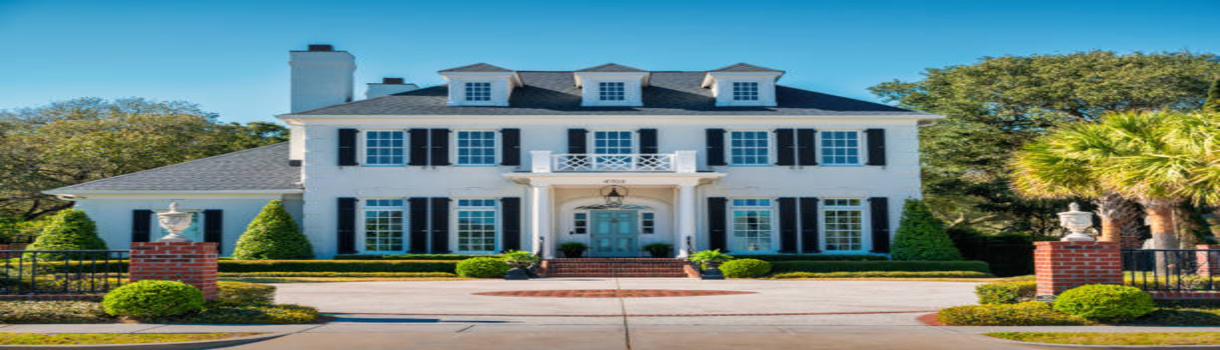
Columbia's housing stock reflects the city's long history and varied development periods. Shandon, established in 1904 as Columbia's first planned suburb, features craftsman bungalows, colonial revivals, and Tudor cottages along tree-lined streets near Five Points. Buyers who invest in Shandon get walkable access to neighborhood restaurants, boutiques, and the university while living in homes with genuine historical character. Forest Acres delivers a similar tree-canopy experience with slightly larger lots and properties that trend toward Craftsman and ranch-style construction.
Downtown areas near the Vista and the State House include converted warehouse lofts, newer condo construction, and some of the city's oldest residential properties. The BullStreet District, anchored by Segra Park and an ongoing large-scale redevelopment of the former South Carolina State Hospital campus, is adding modern residential and mixed-use buildings to a historically significant site near downtown's core.
Suburban construction dominates much of the volume in Lexington, Irmo, Chapin, and Blythewood. Neighborhoods like Lake Carolina on the northeast side offer large master-planned communities with pools, trails, and HOA-managed common areas. Wildewood provides an established golf course community with larger lots and custom homes. The common thread in newer suburban construction is the open floor plan, primary-suite-centered layout, and outdoor living spaces that Southern buyers have come to expect.
Lake Murray waterfront properties span a wide range from modest mid-century cottages with private docks to custom-built lakefront estates. The lake commands a consistent premium, and waterfront availability remains limited. Buyers seeking lake access without full waterfront pricing can find homes in lake communities with neighborhood dock access at more accessible price points.
Where in Columbia?
The Columbia metro spreads across Richland, Lexington, and portions of surrounding counties, offering neighborhoods that range from urban walkability to lakeside quiet to rural space. Understanding the distinctions between these areas helps newcomers find the community that fits their lifestyle, commute, and priorities.
Richland County
Richland County encompasses the city of Columbia, most of its established inner neighborhoods, the USC campus, Fort Jackson, and a mix of suburban and rural areas extending northeast and east of the city core. The county houses the metro's greatest concentration of cultural institutions, employment anchors, and historic neighborhoods.
Downtown Columbia and the Core Neighborhoods
The downtown peninsula between the Congaree River and the university campus serves the residents who prioritize walkability and urban energy. The Vista, Main Street, and the BullStreet District are undergoing continuous investment and redevelopment. Living downtown means walking to restaurants, the State Museum, the Congaree Riverwalk, Finlay Park, and the Saturday Soda City Market. Housing runs from historic carriage houses and renovated early-twentieth century properties to newer condo and apartment towers aimed at young professionals and empty nesters.
Shandon and Forest Acres sit just east and northeast of downtown, offering the tree-lined historic neighborhoods that families, professors, healthcare professionals, and longtime Columbia residents have favored for generations. These neighborhoods carry moderate to premium pricing within the Columbia context, with Shandon in particular seeing steady appreciation as demand for walkable, character-rich neighborhoods grows. Forest Acres adds the Trenholm Plaza shopping district and some of the area's top-rated private schools to its appeal.
Rosewood blends community identity and affordability in a neighborhood east of downtown, popular with young professionals and families seeking lower entry prices near urban amenities. North Main and Cottontown/Bellevue have emerged as up-and-coming areas with a mix of renovated historic homes and new development, drawing buyers who want proximity to downtown at accessible prices.
Northeast Columbia and Blythewood
Northeast Columbia has absorbed substantial growth over the past two decades, with master-planned communities like Lake Carolina and Woodcreek Farms providing family-oriented living with community pools, trails, and easy highway access to downtown and Fort Jackson. Two Notch Road serves as the primary commercial corridor through this area. Schools in this corridor serve large student populations and have invested in facilities and programs.
Blythewood sits further north along Interstate 77 and offers newer construction at accessible prices with highly rated schools and a small-town character that appeals to families who want more separation from urban density. The incoming Scout Motors facility in Blythewood will significantly reshape the economic character of this community over the coming years, likely driving further residential development and commercial growth.
Fort Jackson Area
The neighborhoods surrounding Fort Jackson on Columbia's southeastern side serve the substantial military community associated with the installation. Housing options range from on-post facilities to suburban neighborhoods with quick commute access to the base. The military presence creates steady rental demand and a community culture of transient residents who nonetheless invest meaningfully in local schools, churches, and businesses during their time in Columbia.
Lexington County
Lexington County occupies the western side of the metro, separated from Richland County by the Congaree River. The county has grown rapidly as families seek its highly rated school systems, lower housing costs, and suburban character while maintaining convenient access to Columbia employment. Lake Murray defines the county's leisure and real estate identity, drawing buyers who prioritize waterfront living and outdoor recreation.
Lexington
The town of Lexington functions as the county's commercial and civic center. Downtown Lexington has evolved from a small county seat into a genuine dining and shopping destination, with locally owned restaurants, boutiques, and a walkable main street that has built community identity. The school system consistently earns strong rankings and serves as a primary driver of housing demand. Families with children frequently choose Lexington specifically for its schools, and the real estate market reflects that demand with prices that have appreciated steadily.
Housing in Lexington ranges from starter homes in established subdivisions to newer construction in communities like Springhill at Lake Murray and Spring Valley. Buyers find more square footage per dollar here than in comparable Richland County neighborhoods, making Lexington a logical choice for families prioritizing space and school quality over urban proximity.
Irmo
Irmo sits at the northern edge of Lexington County, just off Interstate 26, offering lake access and suburban convenience in a community that has quietly become one of the metro's most livable areas. Dutch Fork High School has built a strong academic and athletic reputation. The proximity to Lake Murray gives Irmo residents easy access to boat ramps, waterfront dining, and the lake culture that defines summer in the Midlands. Neighborhoods here appeal to military families, young professionals, and retirees who want low-maintenance suburban living without sacrificing access to the lake.
Chapin
Chapin occupies the Lake Murray shoreline further west, offering more direct waterfront access and a small-town character that appeals to buyers who want genuine lake living rather than proximity-to-lake benefits. The community sits along US-76 with a historic downtown, water access points, and lakefront neighborhoods at various price points. Chapin draws retirees, second-home buyers, and families seeking a slower pace within commuting distance of Columbia employment. Properties with private docks command significant premiums, while interior neighborhoods provide more accessible options for buyers who want the lake lifestyle without the waterfront price tag.
Cayce and West Columbia
Cayce and West Columbia sit across the Congaree River from downtown Columbia, separated by a short bridge commute but meaningfully different in character. Cayce has built a reputation for outdoor recreation centered on the Cayce Riverwalk, a 12-mile trail along the Congaree that connects to the broader Three Rivers Greenway. The Cayce Historical Museum preserves an extensive collection of Native American and colonial-era artifacts, and the community maintains a residential identity distinct from the commercial corridors to the north.
West Columbia offers affordable housing in established neighborhoods, easy highway access to downtown and Lexington, and a restaurant corridor along Meeting Street and State Street that has quietly become one of the metro's more interesting food destinations. Cafe Strudel, a longtime neighborhood institution, typifies the no-fuss, high-quality cooking that defines West Columbia's culinary identity. Housing costs here remain among the metro's most accessible, attracting first-time buyers, young professionals, and households seeking a practical central location.
Surrounding Areas
Elgin and Kershaw County
Elgin sits in the far northeastern corner of the metro, just inside Kershaw County along Interstate 20. The town maintains a small-scale community identity while providing quick highway access to both Columbia and the growing Blythewood area. New construction has arrived in force here, offering modern single-family homes at some of the metro's most affordable price points. Buyers willing to accept a longer commute to downtown Columbia find maximum value in Elgin, particularly in newer developments with modern layouts and full standard amenities.
Gaston and Eastover
Gaston and Eastover represent the rural fringe of the southeastern metro, offering acreage, country properties, and small-town living for buyers seeking genuine separation from suburban development. These communities attract buyers who prioritize land over convenience, including equestrians, hobby farmers, and households seeking self-sufficiency alongside manageable commutes. Housing costs drop significantly in this corridor, and the natural landscape reflects the transitional zone between Columbia's Midlands character and the coastal plain further south.
Newberry and Batesburg-Leesville
Newberry County to the northwest and the Batesburg-Leesville area in Lexington County extend the metro's commuter reach into communities where small-town Southern character persists alongside growing connections to Columbia employment. Newberry College anchors a historic downtown with Victorian-era architecture. Lake Murray's western shoreline touches this territory, and buyers who drive further for their commute often find waterfront properties and acreage at fractions of the prices closer in. These communities serve buyers seeking maximum value, rural space, and an authentic small-town experience without sacrificing access to Columbia's healthcare and employment resources.

What Now?
Let us help!
After reading through everything Columbia has to offer, the next question is always the same one: which neighborhood actually fits your life? The map between what sounds good on paper and what feels right on a Sunday morning involves local knowledge that takes years to build.
PrimeStreet connects relocating buyers and renters with experienced local real estate professionals who know the Columbia metro deeply. Whether the pull is a historic Shandon bungalow near Five Points, a Lake Murray waterfront lot in Chapin, a family-sized home in Lexington's school district, or a low-maintenance condo in the BullStreet District, the right agent makes the difference between a stressful search and a confident one.
Call 855-531-5347 or click "Find an Agent" below to connect with a local Columbia area specialist. A team member will take the time to understand your needs, timeline, and priorities, then match you with an agent who has the market experience to guide you well.
Visit multiple times before committing. Drive the commute routes on a weekday morning. Eat at the neighborhood restaurants. Walk the greenway trails. Attend a Soda City Market on a Saturday. Talk to residents about what they wish they had known. Columbia rewards people who take the time to understand it rather than expecting it to announce itself. The ones who do that work almost always find what they came looking for.
The Midlands are waiting. Come see what Soda City is all about.