
By Melanie Ortiz Reyes - Marketing Strategist - PrimeStreet.io
Move to Charleston
Charleston stands as one of America's most celebrated historic cities, offering newcomers an extraordinary combination of preserved colonial architecture, thriving culinary scene, coastal geography, and genuine Southern charm. With a metro population exceeding 800,000 residents across Charleston, Berkeley, and Dorchester counties, this region delivers sophisticated urban amenities while maintaining the grace and hospitality that define Lowcountry living. The city draws visitors from around the world, yet residents experience a community deeply rooted in history, tradition, and connection to the marshlands and waterways that shape daily life.
The city occupies a peninsula where the Ashley and Cooper rivers meet to form the Atlantic Ocean, as locals like to say. This coastal location in the South Carolina Lowcountry creates a landscape of tidal marshes, barrier islands, historic plantations, and oak-lined streets that have remained largely unchanged for generations. The climate brings hot, humid summers tempered by sea breezes and mild winters that keep outdoor activities viable year-round. Hurricane season requires preparation, but the region's building standards and emergency systems reflect centuries of experience managing coastal weather.
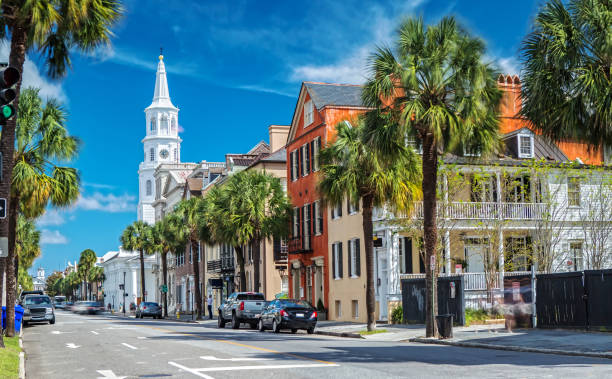
What distinguishes Charleston from other Southern cities is the preservation of its architectural and cultural heritage alongside dynamic modern growth. The Historic District features pastel-colored Georgian and Federal townhomes, church steeples that define the skyline, and cobblestone streets where horse-drawn carriages still operate. This is not a recreated historic village but a living city where people occupy 18th-century homes, worship in colonial-era churches, and walk the same harbor promenades their ancestors built. Meanwhile, the restaurant scene has evolved into a nationally recognized culinary destination, the technology sector continues expanding, and the creative community attracts artists, writers, and musicians seeking inspiration.
The metro's economic foundation rests on tourism and hospitality, the Port of Charleston (one of the busiest on the East Coast), Boeing's massive aircraft assembly facility, Joint Base Charleston, and a growing tech sector. Healthcare institutions including MUSC (Medical University of South Carolina) provide stability and research opportunities. These diverse economic pillars create employment across skill levels and industries. Young professionals find opportunities in tech startups, hospitality management, healthcare, and creative fields. Families appreciate strong public schools in suburbs like Mount Pleasant and Summerville, along with excellent private school options. Retirees gravitate toward the mild climate, waterfront living, cultural richness, and comprehensive medical resources.
Housing options range from historic single-family homes downtown and waterfront condos on the harbor to plantation-style estates in rural areas, island beach cottages, and modern developments in rapidly growing suburbs. The real estate market has experienced significant appreciation over the past decade, with Charleston becoming one of the Southeast's more expensive markets. Traffic congestion has increased substantially as the region grows, particularly on bridges connecting the peninsula to surrounding areas. Rush hour can test patience, and visitors during peak tourist seasons add to roadway demands. Yet most residents accept these challenges as trade-offs for living in one of America's most beautiful and culturally significant cities.
What Makes Charleston Special?
Historic Architecture and Preservation
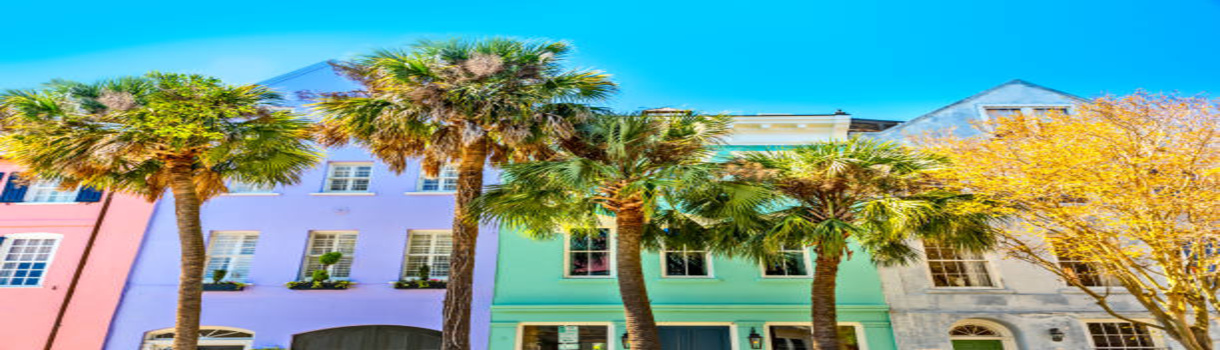
Charleston's Historic District represents one of America's largest and best-preserved collections of 18th and 19th-century architecture. Rainbow Row displays a famous stretch of pastel Georgian townhomes along East Bay Street. The Battery promenade offers views of Charleston Harbor from a seawall lined with antebellum mansions. Church steeples punctuate the skyline, earning Charleston the nickname Holy City. St. Michael's Episcopal Church, built in 1761, still holds services in its original building. The Preservation Society of Charleston, founded in 1920 as one of America's first community-based preservation organizations, has protected the city's architectural character through advocacy and easements.
Walking tours reveal architectural details like earthquake bolts, single houses designed to catch breezes, piazzas facing gardens for privacy, and ironwork crafted by enslaved artisans. The homes are not museums but residences where families live, cook, and raise children in structures built before American independence. This creates an unusual urban environment where history remains tangible and present rather than relegated to tourist districts separate from daily life.
Historic sites extend beyond architecture. Fort Sumter, where the Civil War began, sits in Charleston Harbor and welcomes visitors via ferry. Drayton Hall preserves an unrestored Georgian Palladian plantation house, offering authentic views into 18th-century construction and design. Middleton Place features America's oldest landscaped gardens and tells the complex story of plantation agriculture and enslaved labor that built Charleston's wealth. Magnolia Plantation and Gardens showcases romantic gardens and swamp tours through ancient cypress forests.
Culinary Excellence and Food Culture
Charleston's restaurant scene has evolved from traditional Lowcountry cooking into a nationally recognized culinary destination. James Beard Award winners and nominees operate throughout the city. Husk celebrates Southern ingredients and heritage recipes with modern technique. FIG focuses on seasonal, local ingredients. The Ordinary specializes in oysters and coastal seafood. Halls Chophouse delivers classic steakhouse dining with legendary hospitality. Neighborhood joints like Leon's Oyster Shop and The Tattooed Moose offer casual excellence.
Lowcountry cuisine itself reflects the region's history and geography. She-crab soup, shrimp and grits, Frogmore stew, oyster roasts, and red rice appear on menus throughout the region. Fresh seafood arrives daily from local waters. Stone-ground grits come from nearby mills. Restaurants source produce from farms throughout the Lowcountry. The food culture extends beyond restaurants to farmers markets, oyster festivals, food tours, and cooking classes that connect residents and visitors to regional foodways.
The bar scene ranges from rooftop lounges overlooking the harbor to craft cocktail bars reviving pre-Prohibition recipes to dive bars that have served locals for generations. Local breweries like Holy City Brewing and Edmund's Oast have built strong followings. Wine bars showcase selections from around the world. The social culture around food and drink runs deep, with long dinners and evening strolls as central to Charleston life as anywhere in America.
Beaches, Islands, and Outdoor Recreation
Charleston's barrier islands offer distinct beach experiences. Folly Beach maintains a laid-back surf town vibe with local bars, the historic Folly Beach Pier, and consistent waves that attract surfers. Sullivan's Island features a quieter residential atmosphere, wide beaches, and historic Fort Moultrie. Isle of Palms provides family-friendly beach access, vacation rentals, golf courses, and the Wild Dunes resort. Kiawah Island offers exclusive resort living, world-class golf courses, and pristine beaches favored by loggerhead sea turtles.
Water defines recreation opportunities. Kayaking and paddleboarding through tidal creeks and marshes provide intimate access to coastal ecosystems. Charter fishing targets redfish, speckled trout, flounder inshore, and offshore species including mahi, wahoo, and blue marlin. Sailing conditions remain excellent year-round. The Intracoastal Waterway allows boaters to explore vast stretches of protected waters.
Golf courses designed by legendary architects dot the region. Kiawah's Ocean Course hosted the 2012 PGA Championship and 2021 PGA Championship. The Dunes West Golf & River Club and Charleston National offer championship courses in stunning settings. Public courses provide accessible options for regular play.
Nature preserves and parks protect Lowcountry ecosystems. Caw Caw Interpretive Center features boardwalks through former rice plantation wetlands now teeming with alligators, wading birds, and otters. Francis Marion National Forest offers 250,000 acres of pine forests, swamps, and wildlife including black bears. Charles Towne Landing State Historic Site marks the original settlement location with gardens, historic exhibits, and river access.
Arts, Culture, and Festivals
The arts community thrives throughout Charleston. The Gibbes Museum of Art displays American art with particular strength in Southern artists and Charleston's visual culture. The Halsey Institute of Contemporary Art at the College of Charleston showcases cutting-edge exhibitions. Galleries along Broad Street, King Street, and throughout the French Quarter represent regional and national artists. The annual Charleston Fashion Week highlights emerging designers.
Spoleto Festival USA transforms Charleston each late May and early June into an international arts festival featuring opera, theater, dance, music, and visual art. Piccolo Spoleto runs concurrently with hundreds of local performances and exhibitions. The Charleston Wine + Food Festival each March celebrates culinary excellence. The Charleston International Film Festival screens independent cinema. MOJA Arts Festival honors African American and Caribbean arts and culture.
Performing arts venues include the historic Dock Street Theatre, Sottile Theatre, Charleston Music Hall, and the North Charleston Performing Arts Center. The Charleston Symphony Orchestra performs classics and pops concerts. Charleston Stage produces theatrical productions. Live music venues range from intimate jazz clubs to waterfront concert spaces hosting national touring acts.



Economy
Charleston's economy combines historic strengths in maritime commerce with modern diversification across aerospace, technology, healthcare, and tourism. The Port of Charleston ranks among America's busiest container ports, handling millions of twenty-foot equivalent units annually. Port operations, logistics companies, and related industries employ thousands directly while supporting extensive supply chain networks. Recent expansion projects have deepened the harbor to accommodate larger vessels, positioning Charleston for continued growth in global trade.
Boeing operates its 787 Dreamliner final assembly facility in North Charleston, employing approximately 7,000 workers. This massive manufacturing operation builds one of aviation's most advanced commercial aircraft and anchors the region's aerospace sector. Numerous suppliers and contractors support Boeing's operations, creating additional employment throughout the metro. The presence of such a significant advanced manufacturer elevates the region's technical workforce and attracts related industries.
Joint Base Charleston combines the Air Force Base and Naval Weapons Station, employing over 53,000 active duty, reserve, and civilian personnel. The military presence provides economic stability, supports defense contractors, and contributes to local culture and community. Service members and their families create steady demand for housing, retail, and services while bringing diversity to the region.
Tourism and hospitality remain central to Charleston's economy and identity. Over seven million visitors arrive annually, spending billions across hotels, restaurants, attractions, tours, and retail. The industry creates thousands of jobs from entry-level service positions to executive hotel management. While wages vary widely, hospitality provides accessible employment and entrepreneurial opportunities. Local tour guides, restaurant owners, bed and breakfast operators, and artisans build businesses serving both tourists and residents.
The technology sector has grown substantially over the past decade. Companies like Blackbaud, PeopleMatter, and Benefitfocus operate headquarters in Charleston. Coworking spaces, accelerators, and the Charleston Digital Corridor support startups and entrepreneurship. The tech community remains smaller than Austin or Research Triangle but offers opportunities for software developers, digital marketers, and tech professionals seeking lower costs and higher quality of life than coastal tech hubs.
Healthcare provides stable, high-paying employment across clinical, research, and administrative roles. The Medical University of South Carolina (MUSC) operates a comprehensive academic medical center, conducts significant biomedical research, and educates healthcare professionals. Roper St. Francis Healthcare and Trident Health system also maintain substantial facilities. Charleston's medical institutions attract patients regionally for specialized care, extending economic impact beyond direct employment.
Cost of Living Realities
Cost of living in Charleston has increased substantially over the past decade, rising faster than most Southeastern metros and approaching levels seen in more expensive markets. Housing costs drive much of this increase. The real estate market has appreciated dramatically, with median home prices in desirable areas now exceeding regional averages significantly. Renters face similarly elevated costs, particularly in downtown Charleston, Mount Pleasant, and the islands. The peninsula and nearby waterfront areas command premium pricing that exceeds what many middle-class households can afford.
South Carolina's tax structure includes both state income tax and property taxes, though rates remain moderate compared to high-tax states. State income tax tops out at 6.5 percent on higher incomes. Property tax rates vary by county and municipality, with effective rates around 0.5 to 0.7 percent of market value for owner-occupied homes. Charleston County offers some of the state's higher property taxes, while Berkeley and Dorchester counties run slightly lower. However, South Carolina provides homestead exemptions and special assessment ratios that reduce tax burdens for primary residents.
Sales tax reaches 6 percent at the state level with local options bringing rates to 8 or 9 percent in most areas. Grocery food remains exempt from state sales tax, providing some relief. Prepared meals at restaurants face full sales tax. Overall tax burden remains moderate compared to Northeastern states but higher than Florida or Texas, which lack income taxes.
Utility costs track near national averages. Summer air conditioning bills run high during humid months. Hurricane insurance adds expense for coastal properties, though rates vary based on specific location, elevation, and construction. Flood insurance becomes necessary for properties in FEMA-designated flood zones and advisable for all low-lying coastal areas. These insurance requirements add hundreds of dollars monthly to housing costs for waterfront properties.
Transportation expenses vary based on location. Commuters crossing bridges into downtown Charleston face tolls and traffic delays. Gas prices fluctuate around national averages. Auto insurance rates run higher than some states due to South Carolina's insurance market and congestion levels. Public transportation serves limited routes, making car ownership necessary for most households. Parking downtown becomes expensive and challenging, particularly during tourist season.
Grocery prices and general consumer goods track slightly above national averages, reflecting Charleston's desirability and tourist economy. Dining out costs more than in smaller Southern cities but less than major coastal metros. Entertainment and cultural activities range from free beach access and park concerts to premium prices for tourist attractions and upscale dining.
The combination of higher housing costs, moderate taxes, and elevated prices for goods and services means Charleston no longer qualifies as an affordable market. Households relocating from expensive coastal markets may find relative value, but those moving from less expensive Southeastern cities will experience sticker shock. The trade-off comes through quality of life, cultural richness, coastal beauty, and strong job market in growing industries.
Real Estate Market
Market Overview and Trends
The Charleston real estate market has experienced explosive growth since 2010, with appreciation rates consistently outpacing state and national averages. Median home prices have more than doubled in many neighborhoods over the past decade. Downtown Charleston and the islands command the highest prices, with waterfront properties and historic homes reaching multi-million dollar valuations. Suburbs like Mount Pleasant and Daniel Island have seen similar appreciation, though at slightly lower absolute price points. Even formerly affordable areas in West Ashley, North Charleston, and Summerville have experienced substantial increases.
The market transitioned from extreme seller advantage during 2020-2022 to more balanced conditions currently. Inventory has increased from historic lows, giving buyers more options and time for decisions. Multiple offer situations have decreased except for exceptional properties in prime locations. Price reductions have become more common as sellers adjust to higher interest rates and buyer hesitancy. However, well-priced homes in desirable locations still move quickly, particularly those offering character, views, or proximity to beaches and downtown.
New construction continues throughout the metro, concentrated in suburbs and previously undeveloped areas. Builders focus on single-family homes in master-planned communities, townhome developments, and condo projects near employment centers and amenities. The Charleston peninsula has limited space for new construction, with most development involving teardowns and rebuilds or adaptive reuse of commercial structures. This supply constraint on the peninsula perpetuates high prices and limited inventory.
Investment activity remains strong as both national companies and individual investors purchase properties for long-term rentals and short-term vacation rentals. Charleston's desirability as a tourist destination makes vacation rentals potentially lucrative, though recent regulations in some municipalities have restricted short-term rental operations. Investors should research local ordinances carefully before purchasing with rental income assumptions.
Architectural Character and Housing Types
Charleston's architectural diversity reflects centuries of development and changing tastes. The Historic District features Georgian townhomes, Federal-style mansions, Greek Revival estates, and Charleston single houses. These historic properties demand premium prices and come with preservation requirements, easements, and maintenance needs unique to old structures. Buyers should budget for specialized contractors, historically appropriate materials, and potential restrictions on modifications.
The single house represents Charleston's most distinctive architectural form. These narrow homes sit perpendicular to the street with the gable end facing forward, featuring a piazza (porch) along one side to catch prevailing breezes. The design evolved specifically for Charleston's climate and urban density, creating privacy while maximizing ventilation. Original single houses command high prices and require expertise to maintain properly.
Suburban architecture varies by development era. Neighborhoods built in the 1960s through 1980s feature ranch homes, split-levels, and traditional two-story designs on larger lots. Communities developed since 2000 trend toward Lowcountry-style homes with metal roofs, wide porches, elevated foundations, and coastal details. New construction emphasizes open floor plans, modern kitchens, and outdoor living spaces while incorporating regional architectural elements.
The condo and townhome market serves downtown residents, retirees downsizing, and those seeking low-maintenance living. Waterfront condo towers in downtown Charleston and Mount Pleasant offer harbor and river views with resort amenities. Townhome communities provide attached housing with small yards in suburban locations. Historic carriage houses converted to residences blend old and new in compact urban spaces.
Beach communities feature elevated coastal cottages, contemporary beach houses, and older ranch-style homes built before stricter flood regulations. New construction on the islands must meet substantial elevation requirements, wind ratings, and flood standards. These regulations increase construction costs but create more resilient structures better equipped for coastal conditions.
Where in Charleston?
Charleston County
Charleston County encompasses the city of Charleston, surrounding islands, and adjacent mainland communities. This county contains the region's most expensive real estate, greatest concentration of historic properties, best beach access, and most severe traffic congestion. The county offers the widest variety of housing from downtown penthouses to plantation estates, island beach cottages to suburban subdivisions.
Downtown Charleston (Peninsula)
Downtown Charleston occupies the peninsula between the Ashley and Cooper rivers, representing the historic heart of the city. The area south of Broad Street contains the most prestigious addresses, with Georgian and Federal townhomes on streets like Tradd, Church, and Legare commanding multi-million dollar prices. The French Quarter offers art galleries, restaurants, and renovated historic homes. Upper King Street features trendy restaurants, boutiques, and modern condos. East Side and Elliottborough neighborhoods provide slightly more accessible price points while maintaining walkability and historic character.
Living downtown means walking to restaurants, galleries, waterfront parks, and cultural attractions. Residents accept trade-offs including limited parking, tourist crowds, premium grocery prices, and maintenance demands of old homes. Downtown suits wealthy empty nesters, young professionals in high-paying industries, those prioritizing walkability and culture, and anyone wanting to live in America's most beautiful historic city regardless of practicalities.
Mount Pleasant
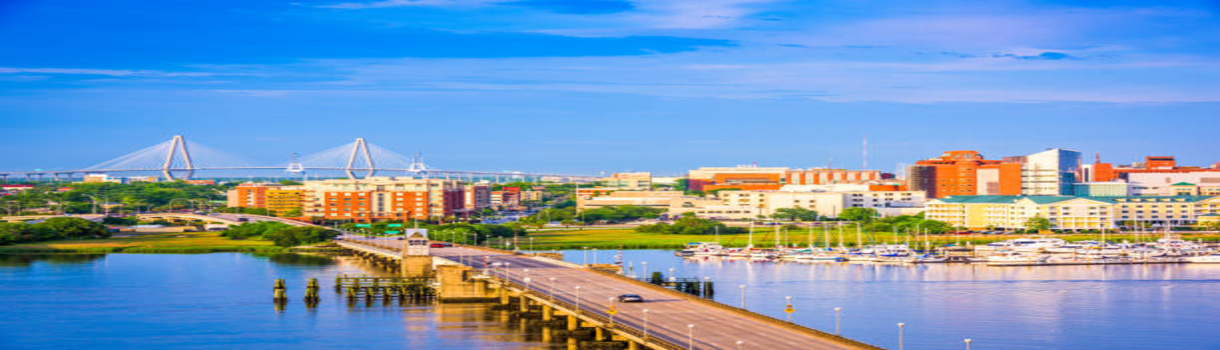
Mount Pleasant sits directly across the Cooper River from downtown Charleston, connected by the Ravenel Bridge. This large suburb has grown into a city of over 90,000 residents, offering everything from waterfront estates to townhome developments. Old Village preserves historic charm with tree-lined streets and renovated homes. Park West and Dunes West provide master-planned communities with golf courses and amenities. The waterfront areas along Shem Creek offer restaurants, marinas, and marsh views. I'On Village represents New Urbanist planning with walkable streets and community spaces.
Mount Pleasant provides excellent schools, shopping centers, restaurants, and recreational facilities while maintaining shorter commutes to downtown Charleston and beach access to Sullivan's Island and Isle of Palms. The town attracts families with children, professionals working in Charleston or at Boeing, retirees seeking suburban comfort with coastal access, and anyone wanting modern amenities in a growing community.
James Island and Folly Beach
James Island sits southwest of the Charleston peninsula, offering a mix of established neighborhoods, new developments, and proximity to Folly Beach. The island features mid-century homes, waterfront properties along the Intracoastal Waterway, and newer subdivisions. Sol Legare preserves Gullah culture and small-town character. The island provides convenient access to downtown Charleston, beaches, and regional amenities.
Folly Beach occupies a barrier island southwest of Charleston, maintaining a relaxed surf town atmosphere despite rising property values. The island features beach cottages, renovated homes, and new construction all elevated on pilings. Restaurants, bars, and surf shops line Center Street. The Edwin S. Taylor Folly Beach Fishing Pier attracts anglers and sightseers. Folly maintains a younger, more bohemian vibe than other Charleston beaches.
James Island suits families seeking good schools and convenience, water enthusiasts wanting marsh and river access, and buyers seeking more space than downtown offers. Folly Beach attracts surfers, beach lovers accepting smaller homes, creatives seeking inspiration, and anyone prioritizing beach lifestyle over formal aesthetics.
West Ashley
West Ashley encompasses a large area west of the Ashley River, offering the peninsula's most affordable housing while maintaining proximity to downtown Charleston. Neighborhoods range from mid-century ranch homes to newer developments, waterfront properties along the Ashley River to apartments and townhomes. Avondale features walkable shopping and dining. Shadowmoss and The Links provide golf course communities. West Ashley has historically offered working and middle-class housing but has experienced gentrification and appreciation as other areas become unaffordable.
West Ashley serves first-time buyers seeking Charleston addresses at accessible prices, families prioritizing space over prestige, professionals wanting shorter commutes than distant suburbs, and long-time locals priced out of downtown and Mount Pleasant.
Johns Island, Wadmalaw Island, and Seabrook Island
Johns Island represents one of the largest sea islands on the East Coast, featuring a mix of suburban development and preserved rural character. Kiawah River and Stonoview provide newer communities with amenities. Much of the island retains agricultural land, conservation easements, and historic sites. Wadmalaw Island maintains even more rural character, hosting farms, the Charleston Tea Garden, and Deep Water Vineyard.
Seabrook Island offers gated resort living with golf courses, tennis facilities, equestrian center, beach club, and natural habitat preservation. The island features vacation homes and primary residences in a carefully managed community emphasizing environmental stewardship and outdoor recreation.
These islands attract families seeking space and natural surroundings, equestrians and outdoor enthusiasts, retirees wanting resort amenities and beach access, and buyers seeking proximity to Charleston without urban intensity.
Berkeley County
Berkeley County sits north of Charleston County, encompassing rapidly growing suburbs, rural areas, and significant military presence. The county offers more affordable housing than Charleston County while providing access to metro employment and amenities. Growth has accelerated over the past two decades as development pushes northward and families seek value.
Summerville
Summerville bills itself as Flowertown in the Pines and combines small-town charm with suburban growth. The historic downtown features azaleas, parks, boutiques, and local restaurants. Neighborhoods range from historic homes near downtown to large master-planned communities like Nexton, which emphasizes walkability, mixed-use development, and community design. Summerville provides highly rated schools, lower housing costs than Charleston County, and community events that create small-town atmosphere despite significant growth.
Summerville attracts families with children prioritizing schools and space, first-time buyers seeking affordable single-family homes, retirees wanting affordable living with medical access, and commuters willing to trade drive time for housing value.
Goose Creek
Goose Creek sits in central Berkeley County, offering affordable housing and proximity to Joint Base Charleston. The city features primarily single-family homes in suburban subdivisions built over recent decades. Housing costs remain among the metro's most accessible, attracting military families, young buyers entering the market, and working-class households seeking homeownership. The community maintains a quiet, family-oriented character with parks, schools, and basic retail.
Moncks Corner
Moncks Corner serves as the Berkeley County seat, located in the northern portion of the metro area. This small town sits near Lake Moultrie, providing boating and fishing access. Historic downtown offers local shops and restaurants. Housing costs run below most of the metro. The town provides rural atmosphere within commuting distance of Charleston employment. Moncks Corner suits buyers seeking maximum affordability, outdoor enthusiasts wanting lake access, and those preferring genuine small-town life over suburban development.
Hanahan
Hanahan occupies a small area between North Charleston and Goose Creek, offering affordable housing convenient to military bases and Charleston employment. The city features established neighborhoods with mid-century homes and some newer developments. Tanner Plantation provides a golf course community. Hanahan serves military families, working-class households, and first-time buyers seeking value and convenience.
Dorchester County
Dorchester County extends west and southwest of Charleston, experiencing rapid suburban growth as development spreads along Interstate 26 and Highway 17. The county offers the metro's most affordable housing while maintaining reasonable access to Charleston employment. Rural areas preserve agricultural heritage and natural lands.
North Charleston (Dorchester Portion)
North Charleston sprawls across Charleston, Berkeley, and Dorchester counties, representing the metro's largest municipality by land area. The city features industrial areas, military bases, suburban neighborhoods, and growing commercial districts. Park Circle neighborhood has undergone significant revitalization with restaurants, breweries, and renovated homes. Housing costs remain below Charleston proper while providing convenient access to Boeing, the airport, and regional amenities. North Charleston attracts working-class families, young professionals seeking affordability, and buyers prioritizing convenience over prestige.
Ladson
Ladson sits along Interstate 26 in northern Dorchester County, functioning as a suburban community with shopping centers, chain restaurants, and residential developments. The area provides affordable housing in newer subdivisions and convenient highway access to Charleston. Ladson serves commuters, families seeking value and newer construction, and first-time buyers wanting single-family homes at accessible prices.
Ridgeville and rural Dorchester County
Ridgeville and surrounding rural Dorchester County maintain agricultural character with farms, large land tracts, and small-town communities. Housing includes country properties, older homes, and some newer subdivisions. The area offers the metro's lowest housing costs and most rural lifestyle. These communities suit buyers wanting land and self-sufficiency, horse owners, agricultural operations, and those prioritizing affordability and space over urban amenities and short commutes.
Colleton County
Colleton County sits southwest of Charleston County, representing the outermost portion of the metro area. The county maintains primarily rural character with limited development, offering affordable land and housing for buyers willing to accept longer commutes and fewer nearby amenities.
Walterboro
Walterboro serves as the Colleton County seat, located approximately 50 miles west of Charleston along Interstate 95. This small town features a historic downtown with antebellum architecture, the South Carolina Artisans Center, and local shops and restaurants. Housing costs remain very low compared to Charleston proper. The town provides authentic small-town Southern living with community events and preserved history. Walterboro attracts retirees on fixed budgets, buyers seeking maximum affordability, land buyers wanting acreage, and those desiring genuine rural Southern experience within reach of Charleston.
Beaufort County (Northern Portion)
While Beaufort County centers on Beaufort and Hilton Head Island to the south, the northern areas near the Colleton County line connect to Charleston through commuting patterns and shared Lowcountry culture.
Edisto Island and Beach
Edisto Island sits southwest of Charleston, offering a quieter, less developed beach experience than the more accessible islands. Edisto Beach features family-owned beach cottages, limited commercial development, and a slower pace. The island maintains Old Florida beach town character increasingly rare in developed coastal areas. Housing includes modest beach cottages, elevated new construction, and some waterfront estates. The island attracts families seeking uncrowded beaches, retirees wanting quiet coastal living, second-home buyers seeking relaxation, and anyone prioritizing authentic beach community over resort amenities.
Charleston offers newcomers an unmatched combination of historical significance, coastal beauty, culinary excellence, and cultural richness. The region provides genuine Southern charm without affectation, preserved architecture that creates unique urban environments, and barrier islands offering diverse beach experiences. The surrounding counties extend housing options from affordable suburban developments to rural retreats, allowing buyers to balance proximity, price, and lifestyle preferences.
The real estate market has become expensive compared to much of the Southeast, and traffic challenges grow as the region expands. Yet the economy's diversity across maritime commerce, aerospace manufacturing, technology, healthcare, and tourism creates employment stability and opportunity. Add year-round mild weather, exceptional restaurants, thriving arts scene, and coastal recreation, and Charleston presents a compelling case for relocation.
Those considering a move should visit multiple times across seasons, exploring beyond downtown tourist areas into suburbs and surrounding communities. Experience summer heat and humidity, drive commute routes during rush hour, and research flood zones and insurance costs thoroughly. Talk to residents about challenges alongside benefits. Charleston does not suit everyone. Costs have risen substantially, hurricanes demand preparation, and tourist crowds peak during spring and summer. But for those seeking a city where history lives alongside innovation, where beaches meet sophistication, and where food, culture, and natural beauty create daily enrichment, Charleston delivers in ways few American cities can match.

What Now?
Let us help!
Now that you've explored what the Charleston metro area has to offer, you're probably wondering which community is the right fit for you. Moving to a historic coastal city can feel overwhelming without local insight and trusted guidance.
PrimeStreet connects you with experienced real estate professionals who truly know the Charleston market. Whether you're drawn to historic downtown living, family-friendly suburbs like Mount Pleasant and Summerville, beach communities on Sullivan's Island or Folly Beach, or affordable options in Berkeley and Dorchester counties, the right agent can help you navigate your options with confidence.
Call us at 855-531-5347 or click "Find an Agent" below to get started. A team member will learn about your housing needs, budget, preferred areas, and timeline. Our matching system will then connect you with a qualified local agent who has the experience and knowledge to help you find your perfect home in the Charleston area.
Let us help you plan your move to Charleston and start your next chapter in the Lowcountry.